
Cape Verde’s Brave Performance Against Argentina Showed the Power of Preparation
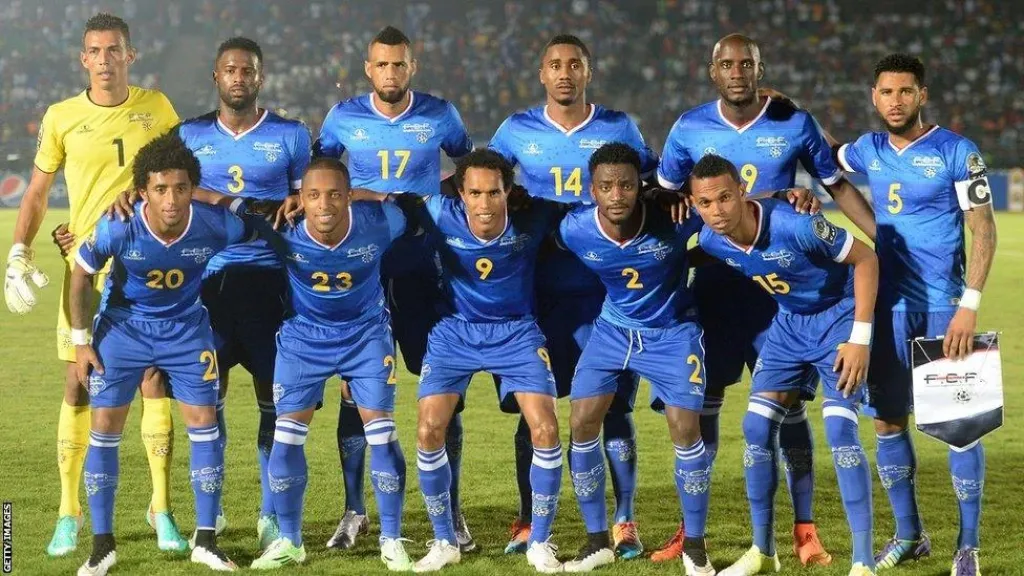
Cape Verde’s narrow defeat to Argentina in the Round of 32 of the 2026 FIFA World Cup was one of the tournament’s most impressive underdog performances. Although Argentina eventually secured a three to two victory after extra time, Cape Verde forced the defending champions to fight for 120 minutes and demonstrated that a team with limited resources can still compete with one of football’s most powerful nations.
The difference between the two teams was significant before the match even began. Argentina arrived with a squad filled with players from leading clubs, extensive World Cup experience, and the support of one of the strongest football systems in the world. Cape Verde, by comparison, entered the tournament with a much smaller population, a less commercially powerful domestic league, and fewer financial and developmental resources. However, those disadvantages did not prevent the team from producing a disciplined and courageous performance.
Rather than approaching the match with fear, Cape Verde remained organised and continued to search for attacking opportunities. The team defended collectively without becoming completely passive, and when Argentina took the lead, Cape Verde responded with confidence. Argentina went ahead twice, but Cape Verde equalised on both occasions. That ability to recover showed remarkable emotional strength and proved that the players were not overwhelmed by the reputation of their opponent.
Cape Verde’s performance was built on tactical discipline, physical commitment, and a clear understanding of how to compete against a stronger team. The players protected important areas of the pitch, stayed compact when Argentina had possession, and attacked quickly whenever space became available. They could not match Argentina’s squad depth or individual quality, but they made intelligent use of the resources they had.
This is what makes the performance especially important. Limited resources do not necessarily mean a lack of professional players or ambition. They mean that a national team must operate with a smaller talent pool, fewer elite facilities, and less financial support than the major football powers. For Cape Verde, every tactical decision, scouting choice, and development programme must therefore be carefully planned. The national team cannot depend on a large number of world class players. It must rely on organisation, unity, and the effective integration of players developed in different countries.
Cape Verde is not the only national team to face this challenge. Curaçao, Haiti, Jordan, Iceland, Costa Rica, and New Zealand have all competed internationally without the financial strength or player depth of football’s largest nations. These teams often depend on strong coaching, diaspora recruitment, defensive organisation, and a clear national identity. Their success shows that smaller football systems can reduce the gap when they use their resources efficiently.
The match against Argentina also created value beyond the final score. Cape Verde gained international respect, increased the visibility of its players, and introduced its football identity to a global audience. Strong World Cup performances can attract sponsors, create transfer opportunities, encourage youth participation, and strengthen the reputation of a national federation. Even in defeat, Cape Verde improved how the football world viewed the team.
Argentina advanced, but Cape Verde left the tournament with greater recognition. The team showed that financial strength is important, but it does not decide every match. A larger budget can provide better facilities, deeper squads, and more preparation, but it cannot guarantee discipline, courage, or collective belief.
Cape Verde’s performance was therefore more than an underdog story. It was a reminder that preparation and unity can challenge reputation and wealth. The team may not have defeated Argentina, but it forced the defending champions to use every available advantage to survive. That alone made Cape Verde one of the most respected teams of the tournament.