
The New Global Football Economy Since Qatar 2022
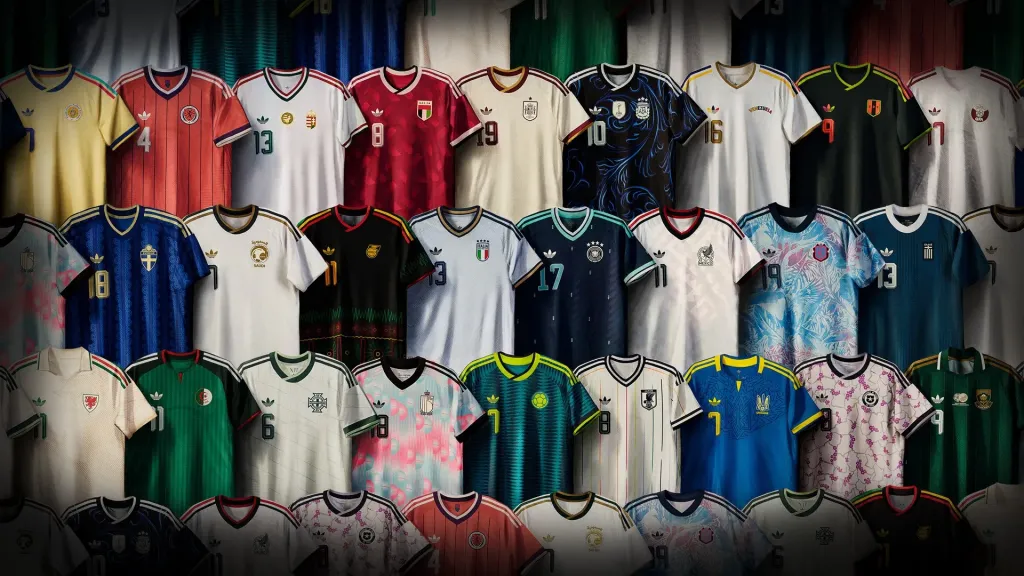
The FIFA World Cup Qatar 2022 represented more than a major sporting event. It marked a turning point in the relationship between football, investment, technology, tourism, media, and national development.
Since the tournament, football has continued its transformation from a traditional spectator sport into a global economic platform. Clubs, governments, investors, technology companies, and tourism authorities increasingly view major sporting events as strategic assets capable of generating commercial growth, international influence, and long term social value.
The rise of sport as an investment asset
One of the most significant trends since Qatar 2022 has been the growing recognition of sport as a serious investment category.
Professional clubs, leagues, media rights, stadium districts, sports technology companies, and athlete brands are attracting capital from private equity firms, sovereign investment funds, family offices, and institutional investors.
Rather than investing only in match results, investors are examining the complete commercial ecosystem surrounding sport. This includes broadcasting, merchandise, digital subscriptions, hospitality, tourism, gaming, data services, and intellectual property.
Deloitte has identified a growing concentration of investment in two areas. The first is premium and established sports properties that offer stable commercial value. The second is emerging sports and new formats that can attract younger audiences and deliver faster growth.
This development suggests that the future value of a football organisation will depend not only on trophies, but also on the quality of its brand, audience data, media strategy, digital products, and international reach.
Artificial intelligence enters the football industry
Technology has also moved closer to the centre of football operations.
Artificial intelligence and advanced analytics are increasingly used in player recruitment, injury prevention, tactical analysis, performance management, security, ticket pricing, marketing, and fan communication.
FIFA has placed digital technology, artificial intelligence, electronic football, and stronger fan engagement among its strategic priorities for the global game.
The most important change is that technology is no longer treated as a separate department. It is becoming part of the operating structure of clubs, leagues, and sporting organisations.
A football club can now analyse the behaviour of millions of supporters, personalise content for different audiences, predict purchasing patterns, and create individual digital experiences. This gives organisations the ability to build direct relationships with supporters rather than depending entirely on broadcasters or social media platforms.
The transformation of fan behaviour
The modern football supporter is no longer satisfied with watching a match once or twice a week.
Fans now expect continuous access to players, statistics, interviews, short videos, live discussions, fantasy competitions, gaming experiences, and exclusive digital content. Football has therefore become part of the wider competition for consumer attention.
Deloitte reported that sports organisations are investing more heavily in proprietary fan databases and digital engagement systems. These tools allow clubs and leagues to understand different fan segments and communicate with them more effectively.
This creates new commercial opportunities, but it also introduces a challenge. Supporters have access to more content than ever, while their available time and spending remain limited. Sports organisations must therefore focus on relevance, quality, and personalisation rather than simply increasing the volume of content.
Tourism becomes part of the tournament legacy
Qatar 2022 also strengthened the connection between major sporting events and long term tourism development.
After the tournament, Qatar continued to market itself as a destination for culture, entertainment, business events, hospitality, and international sport. The country welcomed more than four million visitors in 2023, setting a new annual record, while Qatar Tourism linked this momentum partly to the international exposure generated by the World Cup.
In 2025, Qatar received 5.1 million international visitors. Hotel demand also increased, with more than 10.8 million room nights sold during the year.
The lesson for future host countries is clear. The true value of a major tournament is not limited to ticket sales during the competition. It depends on whether new infrastructure, global visibility, transport systems, cultural attractions, and hospitality capacity can continue generating demand after the final match.
Sports tourism is now one of the fastest growing areas of the global tourism economy. It allows cities to attract international visitors while supporting hotels, restaurants, airlines, retail businesses, entertainment venues, and local employment.
Stadiums become year round destinations
Another emerging trend is the development of stadiums as parts of larger commercial and entertainment districts.
Modern stadium projects are increasingly surrounded by hotels, offices, restaurants, retail areas, museums, public spaces, and residential developments. The objective is to generate activity throughout the year rather than relying only on match days.
This model transforms sports infrastructure into a broader urban investment. It can improve land value, attract private businesses, and create new destinations within cities.
However, successful projects require careful planning. A stadium without a clear operating strategy can become a financial burden. A stadium connected to tourism, transport, entertainment, and community services can become a productive long term asset.
The growing influence of emerging markets
Qatar 2022 also confirmed that the future of global sport will not be shaped only by Europe and North America.
The Middle East, Asia, Africa, and other emerging markets are becoming increasingly important sources of investment, sponsorship, talent, media audiences, and tournament hosting.
Sports development is now closely connected to national strategies involving tourism, youth engagement, international branding, infrastructure, and economic diversification.
According to Deloitte, emerging markets are creating new opportunities in sponsorship, media rights, technology, and fan engagement.
This shift is changing the geography of football. Capital, influence, and commercial growth are becoming more widely distributed, creating new partnerships and new competition between cities, leagues, and national markets.
The future belongs to integrated sports platforms
The main trend since Qatar 2022 is the convergence of industries.
Football is increasingly connected to entertainment, tourism, technology, finance, fashion, gaming, media, and urban development. The strongest organisations will be those that understand these connections and build integrated business models around them.
The World Cup demonstrated that sport can influence how a country is perceived, how a city develops, how technology is adopted, and how international audiences form emotional relationships with places and brands.
The next phase will not be defined only by larger stadiums or more expensive broadcasting agreements. It will be defined by smarter investment, stronger digital relationships, responsible infrastructure, personalised fan experiences, and the ability to create value long after the final whistle.
Qatar 2022 did not simply conclude a tournament. It accelerated the creation of a new global football economy.