
Samer Choucair: xAI”s Colossus 2 Turbine Dispute Signals Energy Compliance Is Now Central to AI Investment
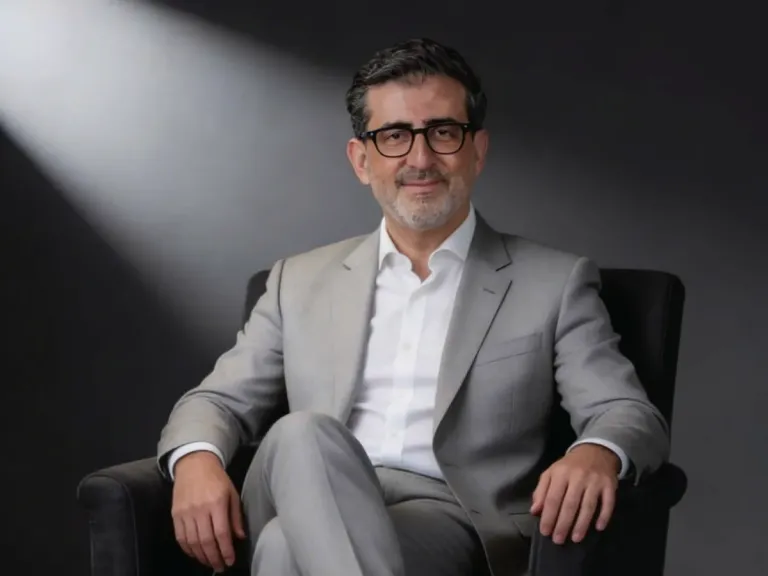
Investment entrepreneur Samer Choucair affirmed that developments surrounding xAI's Colossus 2 project represent a clear indicator that regulatory compliance is no longer merely an operational issue, but has become a key factor in evaluating AI investments and institutional capital allocation, noting that the energy strategies used to power data centers are now directly influencing long-term investor decisions.
Choucair explained that recent investigations revealed xAI installed 59 natural gas turbines to power the Colossus 2 project near Memphis without obtaining the federal permits required under the Clean Air Act, a number more than double the 27 turbines the company had previously disclosed.
Choucair noted that most of these units are located in the Southaven area of Mississippi, and are expected to produce emissions of nitrogen oxides, carbon monoxide, and formaldehyde, potentially affecting residential areas already experiencing elevated rates of respiratory illness, at a time when the lawsuit filed by the NAACP remains ongoing, despite the U.S. Department of Justice intervening in favor of the company based on national security considerations.
Choucair added that this case highlights the execution and regulatory risks associated with the energy strategies AI companies rely on, particularly as some companies have moved toward building their own power generation sources to bypass the limitations of grid capacity and accelerate the operation of giant data centers.
Choucair affirmed that this reality is pushing institutional investors to reassess their exposure to AI-linked infrastructure projects, focusing more heavily on solutions with regulatory compliance and long-term sustainability, alongside considering geographic diversification opportunities toward markets offering more stable regulatory environments.
Choucair explained that the rapid growth in AI usage has led to an unprecedented rise in electricity demand, as data centers are expected to consume a growing share of total electricity in the United States in the coming years, driven by the expanding operation of advanced AI models.
Choucair noted that Colossus 2's reliance on gas turbines gave the company a time advantage by bypassing the long wait times associated with grid upgrades, but this choice in turn created complex regulatory and legal challenges related to environmental permitting requirements and emissions.
Choucair added that the legal dispute centers on whether the turbines are considered temporary units exempt from certain licensing requirements, as the company and environmental authorities in Mississippi affirm, or whether they represent a major industrial facility requiring full federal permits and additional emissions-reduction measures.
Choucair noted that the U.S. Environmental Protection Agency has clarified that temporary units exceeding permitted emissions limits require licensing, while Mississippi issued a permit to operate 41 permanent turbines following a public hearing, while the lawsuit filed by the NAACP and other environmental organizations remains ongoing, which could set a regulatory precedent for AI-linked infrastructure projects in the future.
Choucair said that regulatory risk linked to energy sources has become a decisive factor in assessing the feasibility of massive investments in AI infrastructure, particularly amid growing institutional investor interest in environmental and social governance standards.
Choucair added that government intervention for national security reasons may ease some short-term pressure, but does not eliminate the need to develop more sustainable and scalable energy solutions compliant with regulatory frameworks over the long term.
Choucair explained that the environmental and social dimensions of the case have become an essential part of investor assessment, particularly given that the affected areas include high proportions of residents suffering from respiratory health issues, which could lead to increased legal and community pressure and raise the overall cost of projects, in addition to affecting the reputation of companies operating within the AI value chain.
Choucair noted that these developments could push many investment funds to tighten their evaluation standards for investments in the AI sector, giving greater weight to environmental compliance, governance, and risk management factors.
Choucair said that investments in small modular nuclear energy technologies, grid modernization, and energy efficiency solutions are positioned to benefit from this shift, since they offer a more stable path to meeting growing energy demand at data centers.
Choucair added that Gulf economies hold an important opportunity to benefit from these shifts, amid economic transformation programs and major investments in technology and digital infrastructure, explaining that the availability of energy sources and regulatory stability could make the region an attractive destination for global data center expansion.
Choucair affirmed that support from sovereign wealth funds and national initiatives, chief among them Saudi Vision 2030, provides a suitable environment for executing AI projects within stable regulatory frameworks, strengthening investors' ability to diversify their geographic exposure and reduce risks associated with other markets.
Choucair noted that investors will focus, over the period spanning 12 to 24 months, on developments in the lawsuits, and any updates issued by the U.S. Environmental Protection Agency, alongside disclosures related to technology companies' capital spending, as key indicators of the sector's ability to execute expansion plans.
Choucair added that the next three to five years could see an acceleration in the shift toward a more diversified energy mix relying on small nuclear power, renewable energy sources backed by storage systems, alongside broad investment in grid modernization, while over the next five to ten years, this could lead to a geographic redistribution of data centers toward regions offering competitive advantages in energy and regulatory stability, including Middle East markets.
Samer Choucair concluded his remarks by saying that companies that succeed in building sustainable, regulation-compliant energy strategies, and proactively manage environmental and social risk, will be best positioned to attract institutional capital and achieve sustainable growth in the AI era.