
Samer Choucair on China”s Call to Reopen Hormuz, and What It Means for Global Energy Security
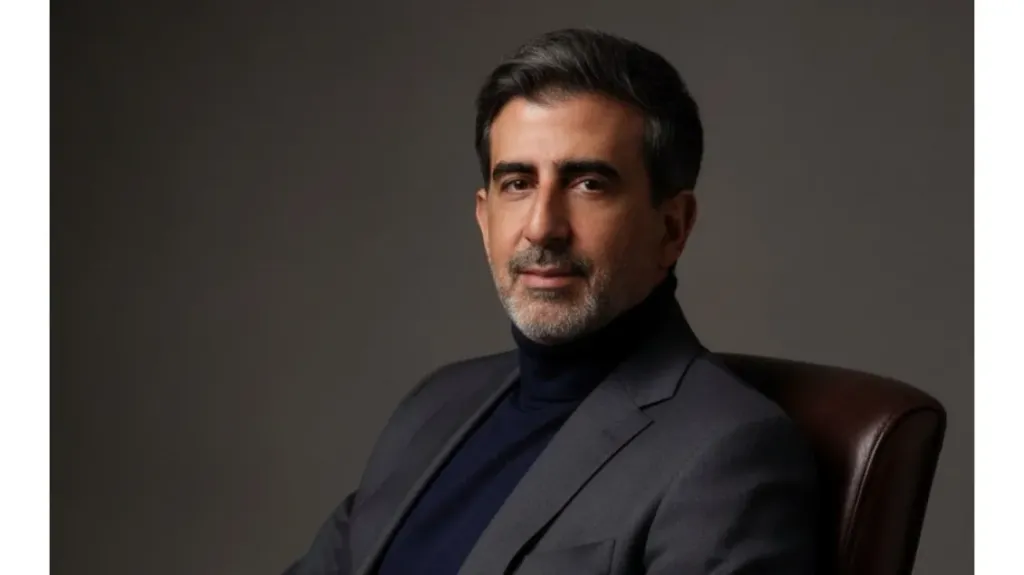
Investment entrepreneur Samer Choucair said that the mutual military escalation between the United States and Iran, followed by Tehran's announcement suspending navigation through the Strait of Hormuz, has once again drawn attention to the risks tied to one of the world's most important energy corridors, which carries around 21 million barrels per day of oil and condensates, equivalent to nearly 20% of global liquid petroleum consumption.
Choucair added that China's call to reopen the strait as soon as possible came as a result of its heavy reliance on Gulf supplies, which represent around 38% of its oil imports, noting that these developments have raised the geopolitical risk premium in global energy markets and increased the likelihood of oil price volatility along with rising shipping and insurance costs.
Choucair affirmed that institutional investors now need to reassess asset allocation strategies, separating short-term repercussions from the structural opportunities offered by Gulf markets backed by Saudi Vision 2030's goals.
Energy Security Returns to the Top of Investor Priorities
Samer Choucair explained that the suspension of navigation through the Strait of Hormuz is no longer merely a temporary trade disruption, but has become a genuine test of global supply chain resilience in the face of geopolitical risk, noting that managers of sovereign wealth funds, pension funds, and private equity firms now need to reconsider their portfolios' exposure to strategic chokepoints.
Choucair added that the potential rise in energy costs could affect inflation rates, economic growth, and capital spending, at a time when China, as the world's largest oil importer, faces a renewed challenge related to energy security, while Gulf states stand out as suppliers with flexible production capacity and relative stability, which could support redirecting part of capital flows toward the region.
Geopolitical Tensions Are Raising the Risk Premium
Samer Choucair noted that these developments come amid continued tensions that saw American strikes on Iranian targets, pushing Tehran to use the Strait of Hormuz as a strategic pressure card.
Choucair added that despite China's insistence on diplomatic solutions and its repeated calls to resume safe navigation, continued threats or an actual closure of the strait directly leads to higher risk premiums in shipping contracts and rising war-risk insurance costs.
Choucair explained that these events reflect a global trend toward reassessing reliance on vital trade corridors, and despite accelerating efforts in the energy transition, oil and gas will remain core elements of the global energy mix for decades to come, making the security of supplies from producers with flexible production capacity a priority for investors.
Oil Markets Face New Pressure
Samer Choucair said that any continued disruption to supply flows through the Strait of Hormuz could push crude oil prices higher, particularly Middle Eastern grades that make up a major share of Asian market imports.
Choucair added that this rise could support the revenues of national companies in Gulf states, while placing pressure on the profit margins of refiners in China, India, and South Korea, who may find it difficult to pass on rising costs to end consumers amid global competition.
Choucair noted that rising energy prices could also help push up global inflation rates, complicating central bank decisions on interest rates and affecting consumer and investment spending levels, while energy and commodity stocks could benefit in the short term, against transport and manufacturing sectors facing additional pressure.
The Gulf Benefits From Stronger Revenue and Accelerating Diversification
Samer Choucair affirmed that Saudi Arabia and other Gulf states could benefit from any additional support for oil prices, as higher revenue provides greater fiscal space to finance Saudi Vision 2030's goals, including developing infrastructure, the digital economy, and attracting foreign direct investment into manufacturing, tourism, and artificial intelligence sectors.
Choucair added that rising oil revenue could strengthen the ability of sovereign wealth funds, chief among them the Public Investment Fund, to accelerate the execution of economic diversification projects, while maintaining principles of governance and long-term sustainability.
At the same time, he warned that continued geopolitical escalation could negatively affect international investor confidence and capital flows to the region, particularly if the repercussions extend to the stability of financial markets or regional supply chains.
Rebalancing Investment Portfolios
Samer Choucair explained that sovereign wealth funds, pension funds, and asset managers are moving to reassess their exposure to the energy sector in light of current developments.
Choucair added that energy and commodity-linked stocks could see greater interest in the short term, while investments in the energy transition and clean energy infrastructure remain attractive over the long term, supported by government policies and structural global demand.
Choucair affirmed that portfolio managers should incorporate geopolitical escalation scenarios into stress tests, while considering temporarily increasing exposure to Gulf markets with strong fiscal capacity and companies with advanced governance standards.
Choucair noted that investment opportunities could emerge in petrochemicals and energy-related logistics services, as Gulf companies can benefit from continued global demand despite short-term volatility.
A Strategic Outlook for Investors
Samer Choucair concluded his remarks by affirming that investors should, over the next twelve months, monitor Chinese oil inventory levels, developments in shipping costs, insurance premiums, and the trajectory of diplomatic negotiations, alongside the performance of energy company stocks in Gulf markets, chief among them the Tadawul exchange.
Choucair added that over the medium term, spanning three to five years, global efforts to diversify energy sources and strengthen strategic reserves are likely to continue, supporting investment in alternative infrastructure and clean technologies, while traditional, reliable producers continue to play a pivotal role.
Choucair noted that over the long term, global energy demand will remain supported by economic growth in Asia and other markets, making strategic investments in Gulf states, backed by Saudi Vision 2030 and fiscal stability, an important choice within long-term capital allocation strategies.
Choucair concluded by saying that institutional investors need to adopt a balanced approach that combines capitalizing on opportunities arising from short-term price volatility with maintaining sustainable growth goals and geographic diversification of investment portfolios over the long term.