
Samer Choucair on How Celebrity Parkinson”s Stories Are Boosting Investment in Neurological Health
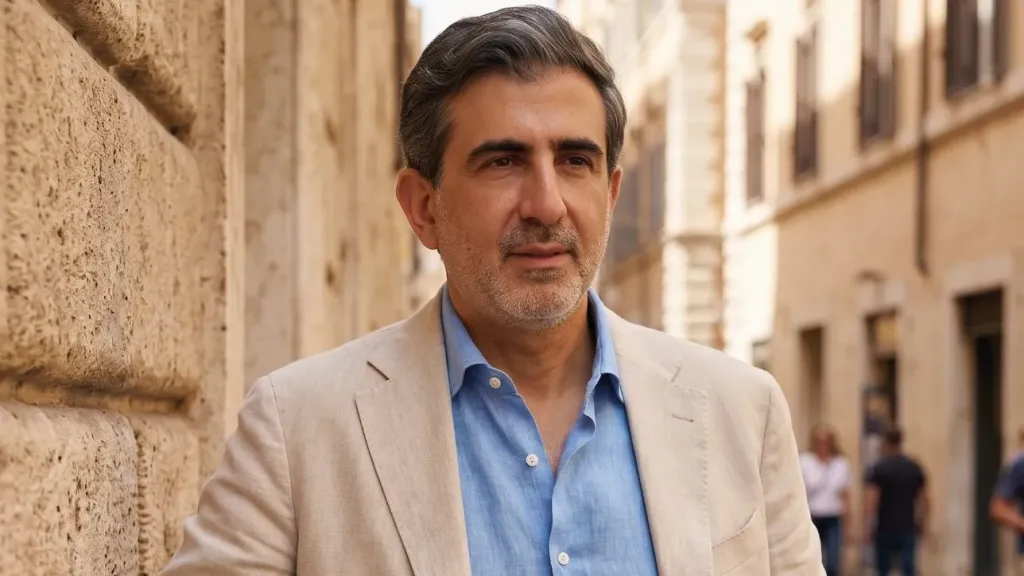
Investment entrepreneur Samer Choucair affirmed that growing global awareness of Parkinson's disease, driven by the stories of prominent figures who have lived with the condition, alongside new scientific evidence linking environmental pollution to higher disease risk, reflects an important shift in how investors view the health and sustainability sectors.
Samer Choucair explained that a recent population study published in JAMA Network Open, which highlighted the relationship between long-term exposure to common air pollutants such as fine particulate matter (PM2.5 and PM10) and nitrogen dioxide (NO2) and an increased likelihood of developing Parkinson's disease and worsening of certain symptoms, offers a new indicator that environmental issues can no longer be separated from long-term health and economic risk assessments.
Samer Choucair noted that this intersection between environmental science and human stories raises the appeal of sectors linked to biotechnology, neurological healthcare, and clean mobility, explaining that public figures who share their experiences with the disease not only raise societal awareness but also help direct funding toward scientific research and influence public policy and consumer behavior.
Samer Choucair added that institutional investors now recognize that chronic diseases such as Parkinson's have become influential factors in future risk assessment and capital flows, particularly amid rising global life expectancy and growing pressure on healthcare systems.
He said that the stories of these public figures turn the disease from an individual issue into a societal topic deserving of significant capital allocation, especially as evidence grows around preventable environmental factors.
Samer Choucair added that investment in biotechnology and neurological treatments is no longer tied solely to its humanitarian dimension, but has become an economic opportunity supported by growing global demand for advanced health solutions, driven by an aging population and rising awareness of the importance of early diagnosis and innovative treatments.
Choucair explained that the recent study on the link between air pollution and Parkinson's reinforces the need to reassess investments linked to preventive health and environmental solutions, noting that reducing emissions from the transport and industrial sectors could become a core part of strategies to protect public health and reduce the economic burden of chronic diseases.
Samer Choucair affirmed that the stories of celebrities who have disclosed their Parkinson's diagnoses have had a major impact in changing the stereotypical image of the disease and boosting support for scientific research.
Choucair noted that actor Michael J. Fox's experience represents a leading example in this field, after his 1991 diagnosis turned into a long-running effort to support research through the foundation bearing his name, which has become one of the world's leading supporters of Parkinson's research and has helped raise substantial funding for developing new treatments.
Choucair explained that boxing legend Muhammad Ali's journey after his 1984 diagnosis became a global symbol of resilience and awareness, helping boost interest in movement disorders and leading to the establishment of a specialized center bearing his name, while the experiences of figures such as Alan Alda, Neil Diamond, Linda Ronstadt, Ozzy Osbourne, Brett Favre, Billy Connolly, and Richard Lewis have helped bring the disease's message to wide audiences around the world.
Samer Choucair noted that these human stories are not limited to their personal dimension, but also play a role in driving research funding, shaping health policy, and increasing focus on preventive and therapeutic solutions.
He said that linking air pollution to Parkinson's strengthens the investment case for accelerating the shift toward clean mobility and renewable energy, while opening the door to partnerships between the health and technology sectors.
Choucair affirmed that combining medical innovation with environmental solutions represents one of the promising fields for institutional investors, particularly amid the growing need for technologies that improve quality of life and reduce health risks linked to pollution.
On the Gulf economies, Choucair explained that these developments carry particular significance amid economic diversification plans and growing focus on healthcare and environmental sustainability.
Choucair noted that Muhammad Ali's iconic status in the Arab world has helped raise awareness of neurological health issues in the region, affirming that developing specialized research centers and advanced medical technologies could become part of long-term investment strategies in the Gulf.
He said that the Public Investment Fund and projects such as NEOM could play a leading role in attracting global investment in this field, particularly given their focus on smart cities and advanced healthcare.
Choucair added that combining modern health infrastructure, clean technologies, and smart cities creates investment opportunities spanning multiple sectors, including technology, health, energy, and sustainability.
Samer Choucair noted that the coming period may see growing interest in companies working on Parkinson's research, biotechnology, and emissions-reduction technologies, driven by scientific progress and rising global awareness of health and environmental issues.
Choucair explained that the medium- and long-term outlook will see an expansion in investments linked to neurological health and advanced treatments, supported by increased funding and public-private partnerships, alongside growing opportunities in green infrastructure and sustainable urban planning.
Samer Choucair concluded his remarks by affirming that the most impactful investment in the coming decades will be the kind that combines scientific understanding of environmental and health factors with genuine human needs.
Choucair said that capital combining scientific understanding of environmental and health factors with real human stories will be best positioned to achieve a positive and sustainable impact in the decades ahead, affirming that stories of living with Parkinson's do not merely represent individual challenges, but open the door to broader awareness and smarter investments that serve healthcare development, sustainability, and improved quality of life worldwide.