
Samer Choucair on How Sport Has Become an Investment Asset Blending Consumer Growth and Tech Innovation
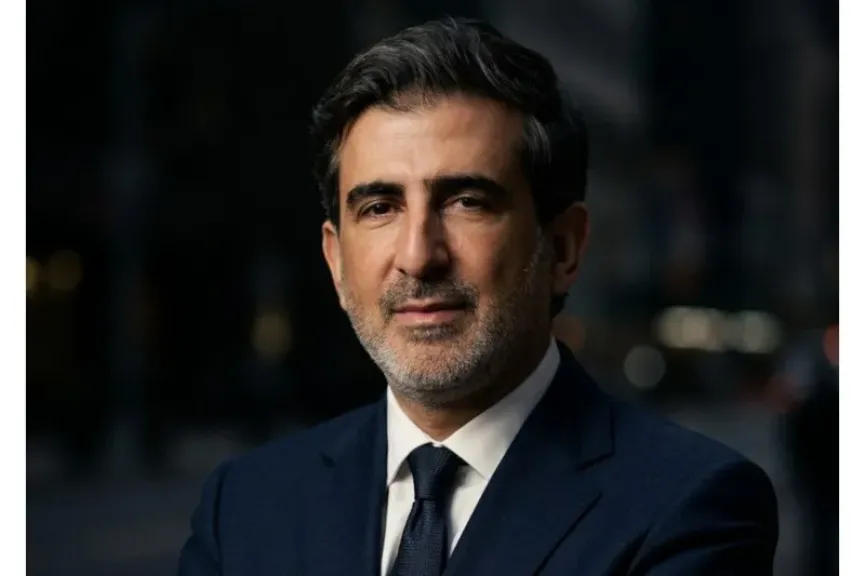
Investment entrepreneur Samer Choucair affirmed that England's advancement to the semifinals of the 2026 World Cup, following their win over Norway, reflects the rapid transformations underway in the global sports market, noting that sporting success is no longer confined to achievements on the pitch, but has become a major driver of capital flows into entertainment, media, and tourism, particularly in markets pursuing long-term strategies to grow their sports economy.
Samer Choucair explained that these developments carry particular significance for emerging markets, chief among them Saudi Arabia, which is preparing to host the 2034 World Cup, noting that strategic investment in sports infrastructure and digital content can generate strong returns amid the continued growth of the global sports economy.
Samer Choucair added that England's progress in the tournament, despite criticism of the team's performance, confirms that major national teams have become drivers of commercial value, and that markets now view sport as an integrated economic sector with an impact extending to GDP, tourism, and investment.
He said that sport has become an alternative asset combining consumer growth and technological innovation, requiring capital to be allocated intelligently toward long-term partnerships.
Samer Choucair noted that the global sports sector is experiencing rapid growth, supported by rising demand for live and digital sports content, with expectations that major tournaments will generate an economic impact reaching tens of billions of dollars, reinforcing the importance of investing in broadcasting rights, sponsorships, and entertainment experiences.
Choucair explained that the results of major national teams, such as England, directly affect the value of brands, sports assets, and players, which in turn influences the decisions of investors and financial institutions.
Choucair added that sovereign wealth funds have come to play a pivotal role in reshaping the global sports economy, affirming that the pressure faced by coaches during major tournaments, as seen with England manager Thomas Tuchel, reflects the nature of high expectations around operational efficiency, much like how company performance is evaluated in financial markets.
He said that pressure on technical performance, as in Tuchel's case, mirrors investor expectations of operational efficiency, much as in evaluating companies.
Samer Choucair affirmed that the progress of major European national teams opens the door to broad investment opportunities in media and sports technology markets, particularly as the tournament moves to North America, where demand for digital platforms and interactive applications is rising.
Choucair explained that this shift supports business models built on artificial intelligence for sports analytics, marketing, and content management, creating new opportunities for companies working in sports technology.
Choucair noted that these developments are directly linked to the economic diversification plans of Gulf states, chief among them Saudi Vision 2030, which places sport and entertainment among the strategic sectors for growth.
Choucair added that Saudi Arabia's Public Investment Fund continues to execute strategic investments in global football, including partnerships with FIFA, aimed at boosting tourism, entertainment, and the local economy.
He said that within the context of Saudi economic diversification, sport serves as a bridge for attracting foreign direct investment and developing creative industries, with a focus on achieving sustainable returns over a five-to-ten-year horizon.
Samer Choucair affirmed that managers of sovereign funds and pension funds are closely monitoring these developments to assess opportunities and risks, explaining that investment focus is increasingly shifting toward sports infrastructure, sponsorships, and real estate linked to major sporting events.
Choucair added that these investments help support the Saudi financial market and attract further capital into major projects such as NEOM and Qiddiya, reinforcing economic diversification goals.
He said that investors should watch how competitive pressure is being converted into innovation in risk management, particularly in renewable energy and digital markets linked to sport.
Samer Choucair concluded his remarks by affirming that the coming period will see greater focus on the sports sector's ability to convert sporting success into sustainable economic value, amid the continued growth of investment in the sports economy supported by digital transformation and international partnerships.
Choucair added that global sport offers institutional investors an opportunity to strike a balance between short-term growth and long-term strategic impact, particularly in Gulf markets preparing to play a leading role on the global stage.
Samer Choucair noted that investment funds should closely monitor developments across the 2026 to 2030 period in order to redirect capital allocation strategies toward sectors linked to entertainment and innovation, affirming that these developments strengthen confidence in the ability of sports investment to contribute to driving diverse economic development and achieving sustainable long-term value.