
Samer Choucair on How Egyptian Fans” Passion Is Opening New Doors for Sports Tourism Investment
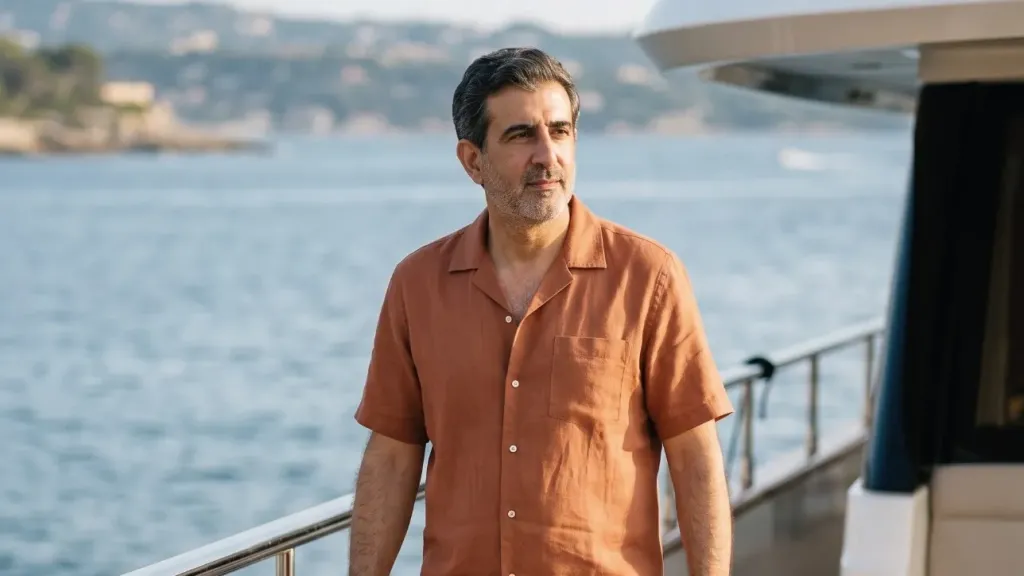
Investment entrepreneur Samer Choucair affirmed that the striking public support Egyptians show for their national team at international sporting events, even when they represent a limited share of attendance, reflects a strength of consumer demand and social cohesion capable of converting into tangible economic opportunities in the tourism and entertainment sectors, noting that these signals are important factors investors watch when assessing growth opportunities in emerging markets.
Samer Choucair explained that the strategic decision to welcome the national team in El Alamein rather than Cairo reflects a clear government direction toward distributing economic activity and developing infrastructure in coastal regions, which could encourage institutional investors to increase capital allocation to hospitality, real estate, and transport projects in new regional destinations, adding that watching such cultural and logistical signals offers early insight into the sustainability of growth and the success of Egypt's economic diversification efforts.
Samer Choucair noted that investors in emerging markets face an ongoing challenge in assessing non-financial factors that affect the stability and appeal of economies, including social cohesion and the ability to efficiently organize major events.
Choucair explained that passion for football in Egypt represents a soft power reflecting the resilience of society and its ability to express national identity in ways that go beyond sport, noting that this passion, capable of turning limited attendance into significant vocal and cultural impact, reveals latent potential in the sports tourism sector, as international events can generate additional spending on hospitality, transport, and entertainment services.
Choucair added that managing these events through regional hubs such as El Alamein helps build a track record reflecting logistical efficiency, a key element in attracting foreign direct investment into infrastructure and tourism real estate projects.
Samer Choucair affirmed that the Egyptian economy relies on tourism as one of its most important sources of foreign currency and jobs, while current economic policies aim to increase the sector's contribution by diversifying tourism products and developing new destinations beyond the traditional scope.
Choucair explained that major sporting events represent an additional lever for this sector, as they attract international visitors and stimulate local spending on hospitality, retail, and entertainment services during peak periods.
Choucair noted that the historical concentration of events and services in Cairo places pressure on the city's absorptive capacity and surrounding infrastructure, making regional development a strategic necessity to achieve more balanced and sustainable long-term growth.
In this context, Samer Choucair said that choosing El Alamein as a main hub to welcome the national team is a clear indicator of the progress made in developing infrastructure along the northern coastal areas, explaining that these regions are seeing accelerating investment in airports, roads, and integrated tourism facilities aimed at creating new attraction centers that reduce excessive reliance on the capital and spread economic benefits over a wider geographic area.
Choucair added that this direction reduces geographic concentration risk and creates attractive opportunities for investors who favor assets linked to long-term growth in areas with high, not yet fully utilized, tourism potential, noting that developing facilities such as regional airports also strengthens readiness to host larger events in the future, supporting capital flows toward public-private partnership projects.
Samer Choucair affirmed that combining public passion with logistical development gives institutional investment funds and asset managers a practical framework for reassessing asset allocation toward Egypt's consumer and entertainment sectors, explaining that the sports tourism sector is not limited to traditional hospitality, but also includes developing event facilities, fan engagement platforms, and related logistics and entertainment services.
Choucair added that the continuation of these trends could support growing interest from regional and international investors, particularly those focused on markets with young demographics and rising demand for high-quality entertainment experiences, noting that partnership models in projects such as El Alamein could offer templates replicable in other coastal areas, expanding the scope of opportunities for private capital seeking stable returns backed by domestic growth.
On risks, Samer Choucair explained that despite the clear positives, it remains necessary to assess challenges related to managing large crowds and coordination among relevant authorities, alongside the potential effects of macroeconomic factors such as inflation and financing costs on the feasibility of new projects.
Choucair added that success in converting these opportunities into sustainable returns requires continued structural reforms and an improved business environment, including greater transparency in project execution and more efficient partnerships, noting that cautious investors will focus on indicators of execution quality and financial sustainability for regional projects before increasing their investment allocations.
Samer Choucair concluded his remarks by affirming that with continued global interest in sport and growing focus on tourism as a key growth driver in emerging markets, Egypt is expected to remain in the sights of investors seeking opportunities in consumer and entertainment sectors.
Choucair noted that if current trends continue to strengthen regional infrastructure and leverage the country's cultural strength, capital may increasingly flow toward coastal and tourism projects, supporting economic diversification and reducing reliance on traditional concentration, stressing that careful assessment of execution and political risk will remain a decisive factor in investment allocation decisions over the medium and long term, particularly as the 2026 World Cup cycle approaches, which could serve as an additional catalyst for international interest.