
Samer Choucair on Why U.S. Pressure on Iran Reinforces the Case for Gulf Investment Diversification
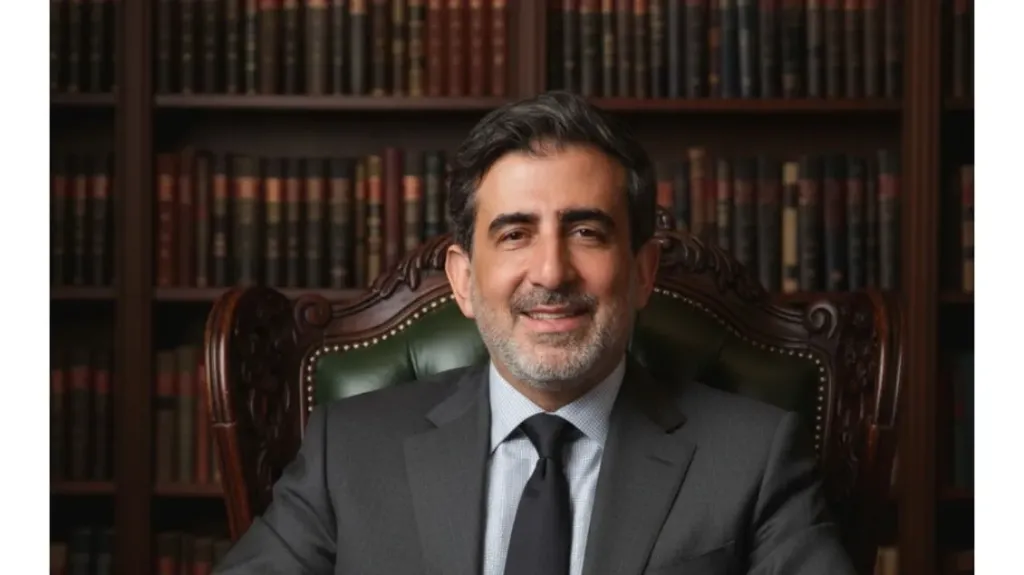
Investment entrepreneur Samer Choucair affirmed that continued U.S. political pressure on Iran, alongside tensions tied to the nuclear file and regional security, is raising the level of geopolitical risk that energy markets are watching, pushing investors to reassess their investment strategies in the region, with a focus on risk management and portfolio diversification.
Choucair explained that rising uncertainty in oil markets is not tied solely to supply volumes, but also to investor expectations around the security of supply chains, shipping traffic, and shipping and insurance costs, which could translate into price volatility and affect global investment decisions.
Choucair noted that any support for oil prices gives Gulf energy-exporting states greater fiscal space to continue implementing economic diversification programs, chief among them projects under Saudi Vision 2030, including infrastructure, tourism, industry, and the digital economy, affirming that sustainable growth depends on expanding the contribution of non-oil sectors rather than on energy price cycles alone.
Choucair added that institutional investors and sovereign wealth funds have become more focused on building investment portfolios that combine capitalizing on opportunities in the energy sector with strengthening investment in technology, artificial intelligence, infrastructure, and logistics services, reducing the impact of geopolitical volatility on long-term returns.
Choucair affirmed that global financial markets will continue to watch developments in the Iranian file and their impact on inflation and monetary policy, as any sustained rise in energy prices could affect central bank decisions on interest rates, while companies with high operational efficiency and strong financial solvency benefit from their ability to adapt to volatile market environments.
Choucair noted that Gulf economies have an opportunity to convert fiscal surpluses generated by improved energy prices into productive investments that support innovation and future industries, strengthening their competitiveness and increasing their ability to attract foreign direct investment.
Samer Choucair concluded by affirming that investor success in the coming period will not depend on predicting the direction of oil prices alone, but on their ability to distinguish between temporary political volatility and long-term economic shifts, while maintaining discipline in risk management and directing capital toward the sectors best positioned to achieve sustainable growth in a global environment marked by elevated uncertainty.