
Samer Choucair on How Diplomatic Gifts Have Become a Tool of Soft Power and National Industry Promotion
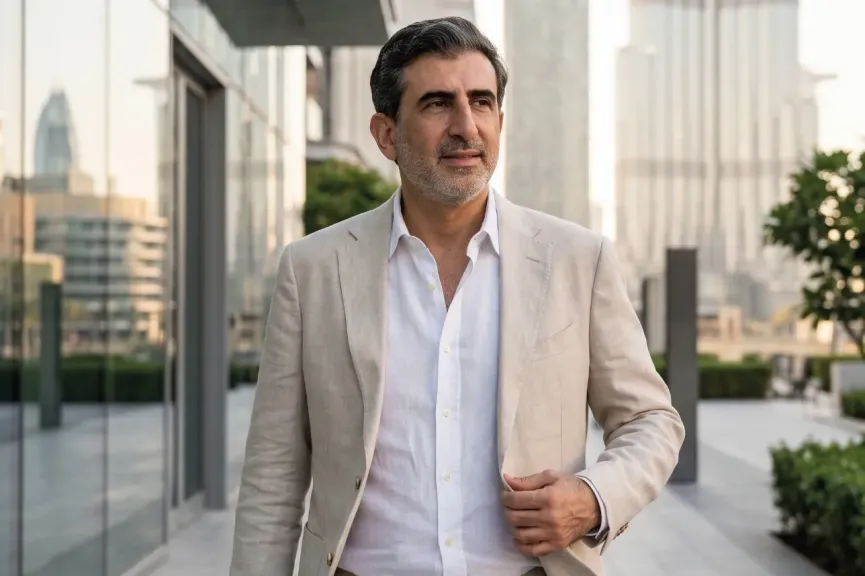
Investment entrepreneur Samer Choucair said that diplomatic gifts are no longer merely protocol accompanying official visits, but have become a strategic tool states use to project soft power, promote national industries, and highlight cultural identity, alongside sending political and economic messages reflecting their priorities on the international stage.
Choucair added that the choice of an official gift has become increasingly tied to the sectors a country wants to showcase to the international community, whether defense industries, traditional crafts, technology, or the arts, noting that some gifts have succeeded in generating global attention due to their unconventional nature or the political and economic significance they carried.
The Turkish Pistol: A Leading Example of Showcasing National Industry
Samer Choucair explained that one of the most notable recent examples was Turkish President Recep Tayyip Erdoğan's gift to NATO leaders during the 2026 summit, where he presented each leader with an antique Turkish Gümüşay .357 Magnum pistol engraved with their name, inside a wooden box decorated with the Turkish flag and the alliance's emblem, alongside six live rounds of ammunition.
Choucair added that this gift was not merely a protocol keepsake, but came as part of promoting the Turkish defense industry and showcasing its manufacturing capabilities, though it simultaneously raised security and customs challenges, as Belgium's prime minister handed the gift over to police immediately upon his return, while some leaders chose to leave theirs with embassies or security authorities, and others kept them as official mementos.
Choucair affirmed that this episode reflects how a single diplomatic gift can become a marketing tool for a national industry, while simultaneously sparking international debate over regulatory and security considerations.
Religious Occasions Reflect the Cultural Identity of Nations
Samer Choucair noted that gifts exchanged during religious occasions, chief among them Eid al-Fitr and Eid al-Adha, differ in nature from political gifts, as they generally focus on showcasing local heritage and culture.
Choucair added that leaders in the Gulf states and the broader Arab world exchange gifts during these occasions that include luxury watches from global brands such as Rolex and Piaget, fine prayer rugs, high-quality dates, and gold jewelry, in addition to luxury cars or Islamic artwork during some official visits.
Choucair explained that certain visits between Arab leaders and the Egyptian and Turkish presidents saw the exchange of luxury copies of the Quran and traditional artifacts reflecting cultural identity, while gifts from Iranian leaders on similar occasions have included religious books, handwoven carpets, and local handicraft products.
Choucair affirmed that this type of gift reflects the civilizational and cultural dimension of diplomatic relations, strengthening ties between peoples alongside official relations.
Unconventional Gifts That Made Global Headlines
Samer Choucair said that diplomatic history has seen many unconventional gifts that captured global public attention, explaining that former U.S. President Barack Obama gave Queen Elizabeth II an iPod loaded with American music in 2010, along with a copy of the film "Alice in Wonderland," a gesture combining technology with cultural symbolism.
Choucair added that China offered a different model through what is known as "panda diplomacy," lending rare panda bears to a number of friendly nations, such as the United States and European countries, as a symbol of friendship and strengthened bilateral relations.
Choucair noted that Russian President Vladimir Putin has also been known for giving unconventional gifts, including dogs, luxury watches, and artwork, while U.S. President Donald Trump has exchanged gifts including copies of his own books and American products, and has received gifts such as golf balls and personal portraits.
Choucair added that a number of leaders in Africa and Asia have presented wooden statues, traditional fabrics, and symbolic animals such as horses or elephants, while European leaders, including French President Emmanuel Macron, have preferred giving artwork or fine wine during certain official occasions, taking into account the cultural sensitivities of the receiving nations.
Diplomatic Gifts Have Become Part of the Cultural Economy
Samer Choucair explained that official gifts have come to represent an extension of the cultural economy, giving countries an opportunity to promote their national products and creative industries before the world's top decision-makers.
Choucair added that choosing a gift is no longer merely a protocol decision, but has become part of a broader strategy aimed at supporting a country's image, elevating the standing of its products, and generating international interest in the sectors it seeks to develop, whether defense industries, traditional crafts, the arts, or technology, noting that some gifts later become indirect promotional tools, strengthening the standing of national brands and opening new economic opportunities.
How Investors Read Soft Diplomacy
Samer Choucair affirmed that institutional investors and sovereign wealth funds have come to view soft power as one of the factors influencing the competitiveness of economies, explaining that countries that succeed in deploying their cultural symbols and national industries within their diplomatic toolkit have greater opportunities to attract investment and strengthen their global presence.
Choucair added that industries showcased through official gifts gain media and marketing momentum that can translate into improved access to new markets, whether in defense industries, heritage products, or creative industries.
The Future of Gift Diplomacy
Samer Choucair concluded by affirming that diplomatic gifts will continue to play a growing role in international relations, amid intensifying competition among nations to showcase their economic and cultural identity.
Choucair added that a successful official gift is one that combines political symbolism, cultural value, and the ability to promote national industry, transforming it from a mere protocol keepsake into an effective tool for strengthening soft power and supporting a country's economic interests over the long term.