
Ilona Maher and the Global Rise of Women’s Rugby
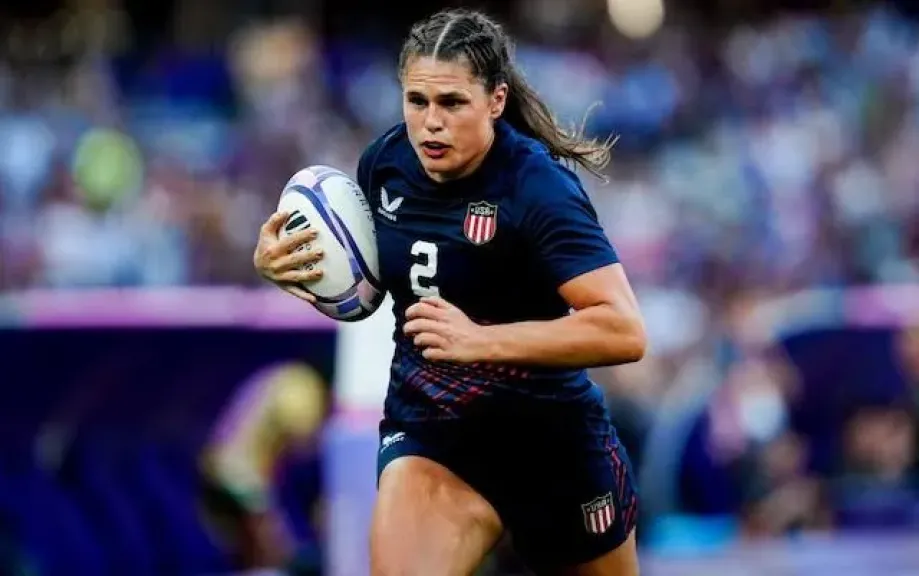
For millions of people around the world, Ilona Maher became the first recognisable face of women’s rugby. Through her powerful performances, confident personality and enormous social media presence, the American athlete introduced the sport to audiences who may never previously have watched a rugby match.
Maher’s influence began to grow during the Olympic Games in Tokyo, where her humorous videos and behind the scenes content attracted attention beyond traditional rugby audiences. Rather than presenting professional athletes as distant or inaccessible, she allowed followers to experience Olympic life through the perspective of a player.
Her profile reached another level during the Paris Olympic Games in 2024. Maher played an important role as the United States women’s rugby sevens team won the bronze medal, achieving a historic result for American rugby.
The victory gave women’s rugby a major sporting moment, while Maher’s ability to communicate with audiences gave the achievement a wider cultural impact. Millions of people began following her online, watching her matches and learning more about rugby sevens.
One of the reasons for Maher’s success is her ability to make rugby feel accessible. Her content combines match footage, training, humour, fashion, personal experiences and conversations about life as a professional athlete. Many people discover her personality first, then gradually become interested in her team, her competitions and the sport itself.
Maher has also challenged traditional expectations surrounding how female athletes should look and behave. She speaks openly about strength, confidence and body positivity, presenting her athletic build as something to celebrate rather than hide.
Her message has encouraged women and girls to see physical strength as compatible with femininity, confidence and personal expression. This has been particularly important for rugby, a sport that requires speed, endurance, courage and power.
By proudly displaying these qualities, Maher has helped change perceptions of women’s rugby players. She has shown that female athletes can be strong, fashionable, humorous, competitive and authentic at the same time.
Her influence has also created greater attention for club rugby. When she joined Bristol Bears in England, large crowds attended matches to watch her play. Many spectators arrived because of Maher, but they were also introduced to her teammates, opponents and the wider women’s rugby competition.
This is one of the most important parts of her impact. Maher’s popularity does not benefit only her personal career. It creates an entry point through which new supporters can discover the depth of talent already present across women’s rugby.
Her rise also demonstrates the importance of player visibility. Sporting success alone does not always create lasting public attention. Fans also need athletes they can recognise, understand and support.
Maher combines both qualities. She is an elite athlete who performs on major international stages, and she is also an effective communicator who reaches people through social media every day.
Her content does not present rugby as a closed world understood only by existing fans. Instead, she invites people into the sport through humour, honesty and personal storytelling.
Maher has also shown sporting organisations that female athletes do not need to copy the traditional promotional models used in men’s sport. They can build audiences through authenticity, education, direct communication and strong personal identity.
Her success proves that supporters are interested not only in scores and results, but also in the people, values and stories surrounding a competition.
Ilona Maher did not create the history, skill or quality of women’s rugby. Those foundations were built by generations of players, coaches and supporters.
What she accomplished was helping millions of people notice them.
By combining Olympic success with confidence, accessibility and cultural influence, Maher became one of the most effective ambassadors women’s rugby has ever had.
Her legacy will not be measured only through medals, tackles or tries. It will also be seen in the new fans who watched their first rugby match, the young girls who discovered a new sport and the athletes who realised that strength could become a source of pride.