
Samer Choucair: Arab Capital Flows into Syria Will Depend on the Market”s Ability to Build a Sustainable Investment Environment
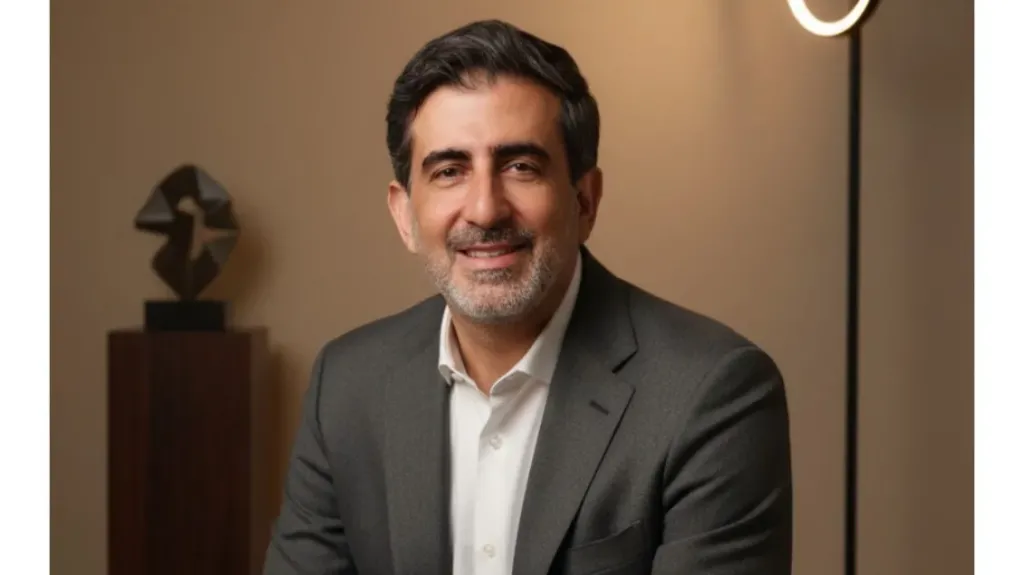
Investment entrepreneur Samer Choucair affirmed that statements by Egyptian businessman Naguib Sawiris regarding his interest in contributing to Syria's reconstruction reflect a growing shift in private capital's attention toward investment opportunities linked to the post-conflict phase, noting that these signals open a broad discussion about the future of Syria's reconstruction market and the role of regional and international investors in supporting economic recovery.
Samer Choucair explained that interest from investors with regional expertise in sectors such as construction, telecommunications, and infrastructure represents an important indicator of a shifting view of emerging markets that were outside the focus of many investors in past years, though he stressed that the success of any new investment wave will depend on fundamental factors including governance, transparency, institutional reforms, and the ability to execute projects efficiently.
He said that the interest shown by prominent investors such as Naguib Sawiris in rebuilding Syria reflects a shift in how risks and opportunities are perceived in post-conflict emerging markets, but that it requires a strong institutional framework to ensure the sustainability of investment flows and to turn aspirations into economically viable projects.
Choucair pointed out that Syria's reconstruction represents one of the largest rebuilding opportunities in the region, given the enormous need to rehabilitate infrastructure, productive sectors, and basic services, explaining that the scale of the investment opportunity is measured not only by the value of announced projects but by the ability of the economic and legal environment to attract long-term private capital.
Samer Choucair added that the coming period will see growing interest from institutional investors, sovereign wealth funds, and family investment offices in reconstruction-related opportunities, though these entities will act with a higher degree of selectivity, focusing on projects with clear business models and long-term returns.
He explained that infrastructure, transportation, energy, telecommunications, and housing are likely to be among the sectors that benefit most from investment flows, given their fundamental role in rebuilding the economy, stimulating commercial activity, and creating jobs.
On infrastructure and transportation, Samer Choucair noted that developing airports, roads, ports, and transport networks is an economic priority, as these sectors serve as the main driver for the return of commercial activity and for connecting Syria to regional markets.
On telecommunications and digitization, Choucair explained that the accumulated expertise of regional investors in developing networks and digital services could play an important role in rehabilitating technical infrastructure, particularly amid the global shift toward the digital economy and adoption of electronic services.
Regarding the energy and electricity sector, Samer Choucair affirmed that it represents one of the biggest challenges and investment opportunities at the same time, given the importance of securing stable energy supplies as a foundation for any long-term development or industrial process.
On real estate and housing, Choucair pointed out that the need to rebuild homes and develop cities creates broad opportunities for real estate development companies, though this requires innovative financing models and clear legal guarantees to protect investors and beneficiaries.
Samer Choucair affirmed that Gulf investors have an opportunity to contribute to this phase through their expertise in developing major projects, but he explained that capital allocation must be based on a careful assessment of political, regulatory, and execution risks.
He said that institutional investors, particularly in Gulf countries, should focus on sectors with multiplier effects such as infrastructure, energy, and basic services, while building strategic partnerships that help reduce risk and achieve sustainable economic value.
Choucair added that investing in emerging markets undergoing reconstruction requires a long-term strategy, as large opportunities alone are not enough to attract capital — a clear environment for protecting investments and building confidence must also be in place.
Samer Choucair noted that partnerships with local and regional entities possessing execution expertise can help reduce implementation risks, affirming that the most successful investors will be those offering integrated solutions that combine financing, operational expertise, and knowledge and technology transfer.
Choucair explained that competition for reconstruction opportunities in Syria will be multi-sided, with interest from Gulf, regional, and international companies, noting that the competitive edge will go to those able to deliver long-term added value rather than simply pursuing short-term contracts.
The investment pioneer warned that the main challenges facing any major investment flows include unclear regulatory frameworks, the level of property rights protection, and institutions' capacity to manage large-scale projects, affirming that these factors will be decisive in determining the pace at which private capital enters.
He said that success in reconstruction projects depends on transparency and governance, noting that past experiences in markets emerging from crises confirm that the absence of clear institutional frameworks can raise risks and undermine investor confidence.
Choucair explained that the opportunities available lie in the potential for long-term returns for investors capable of strategic patience, in addition to building economic partnerships that help strengthen regional stability and support trade and investment activity in the region.
Samer Choucair noted that investors should monitor several key indicators in the coming period, most notably progress on legislative and judicial reforms related to foreign investment, the development of relations with international financial institutions, and the level of transparency in the details of contracts and major projects.
Choucair affirmed that Saudi Arabia's experience under Vision 2030 offers an important model for how to build an investment environment based on clarity of vision, development of non-traditional sectors, and attracting global capital, noting that the region is undergoing a broader shift toward strengthening economic integration between the Gulf states and the Arab Levant.
He said that global capital has become more selective at this stage, and that markets combining opportunity, confidence, and governance will lead the coming period, with Saudi Arabia offering a clear model for building an attractive and sustainable investment ecosystem.
The investment pioneer Samer Choucair concluded by affirming that Naguib Sawiris's statements represent an important signal of shifting investment dynamics in the region, but that they are only the beginning of a long path requiring strategic planning and investment discipline.
Choucair added that Syria represents a promising investment opportunity within reconstruction markets, but turning this opportunity into sustainable economic value requires a mix of capital, expertise, and governance, affirming that investors capable of achieving this balance will be best positioned to benefit from the coming economic shifts.