
Samer Choucair: The Merging of Paris Fashion Week Shows Reflects a Strategic Shift in Capital Management
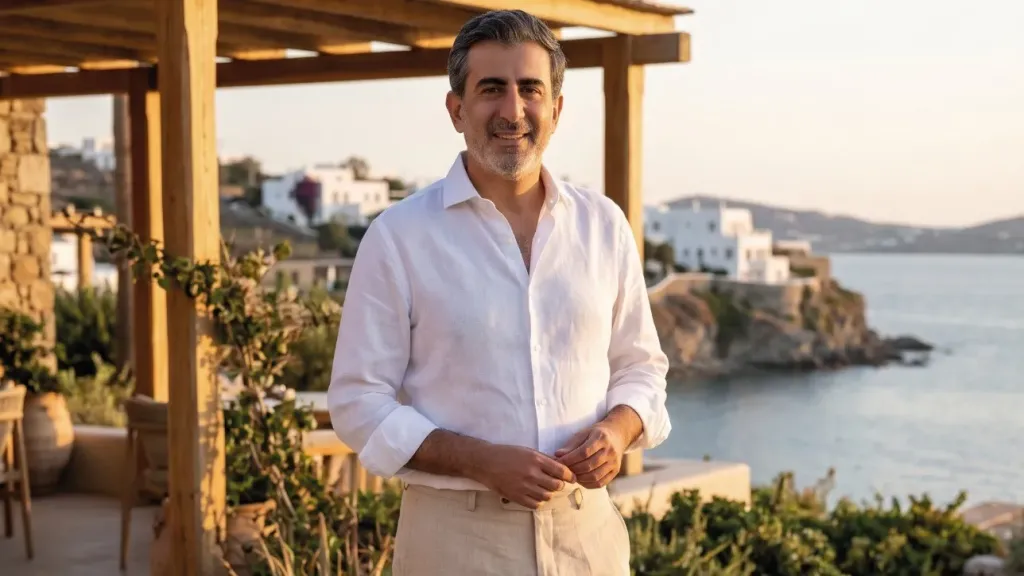
Investment entrepreneur Samer Choucair affirmed that the move by Paris Fashion Week organizers and major global fashion houses toward merging men's and women's shows into unified presentations represents a clear signal of a strategic shift in the global luxury goods sector, explaining that the industry is moving from a phase of rapid expansion and high spending into a new phase focused on operational efficiency and maximizing shareholder value.
Samer Choucair explained that this shift is not merely a change in how events are organized, but reflects a comprehensive reassessment of capital allocation within luxury companies, particularly amid slowing growth rates, rising operating costs, and shifting consumer behavior in key markets.
He said that merging the shows reflects a natural maturing of the luxury goods sector after years of exceptional growth, and that companies able to turn current pressures into opportunities for improving operational efficiency will be best positioned to create sustainable long-term value for shareholders.
Samer Choucair noted that the global luxury market is undergoing a rebalancing phase following a period of strong expansion, as companies are now required to achieve more sustainable growth while preserving brand strength and improving operating margins.
He explained that holding joint shows for men and women helps fashion houses reduce costs related to production, travel, logistics, and marketing, while also giving them greater capacity to invest budgets in higher-impact areas such as product development, digital technology, and enhancing the customer experience.
Samer Choucair affirmed that this shift aligns with a broader global trend in corporate management toward tightening capital expenditure and strengthening free cash flow, which has become a key factor in the decisions of institutional investors and long-term investment funds.
Choucair added that investors are no longer focused solely on rapid growth rates but are now paying close attention to companies' ability to balance innovation, financial discipline, and strong governance.
He explained that the investment implications of this shift extend across various links in the luxury value chain, as major brands benefit from greater flexibility in managing their operations, while independent and mid-sized brands gain an opportunity to improve their competitiveness by reducing the costs of participating in global events.
Choucair pointed out that major luxury conglomerates hold a competitive advantage at this stage due to their financial strength and diversified portfolios, allowing them to continue investing in promising brands and modern technologies while maintaining operational efficiency.
He explained that companies relying on less flexible operating models or carrying high debt levels may face greater pressure, particularly in an economic environment that demands careful management of costs, inventory, and investments.
The investment pioneer affirmed that Paris Fashion Week is not merely a platform for showcasing designs, but an economic driver linked to luxury tourism, hotels, restaurants, retail, and services connected to the experience of high-spending customers.
Choucair added that the shift toward more efficient shows could reshape how the sector interacts with tourism and events, with growing importance placed on digital solutions, data analytics, and virtual experiences in reaching buyers and customers around the world.
He said that the current transformations in the luxury sector confirm that the future belongs to companies that combine strong brand equity with the ability to manage capital with high efficiency.
Choucair noted that global economic variables including inflation, rising production, energy, and logistics costs, and fluctuations in interest rates and currencies have pushed many luxury companies to reconsider their expansion strategies and focus on achieving more sustainable returns.
He explained that the luxury sector in emerging markets, particularly the Gulf region, presents a different picture, as investments continue in tourism, entertainment, and luxury experiences within economic diversification plans.
Samer Choucair affirmed that Saudi Arabia represents one of the most promising markets in this field, given the major projects under Vision 2030 aimed at developing a world-class tourism and entertainment ecosystem and attracting international luxury brands, saying that while European markets are reordering their priorities toward operational efficiency, significant investment opportunities are emerging in the Saudi economy, as the Kingdom transforms into a global destination for tourism and luxury, and that investment leaders able to connect global trends with regional opportunities will be best positioned to achieve long-term value.
Samer Choucair explained that projects such as NEOM, the Red Sea, and Qiddiya represent new platforms for growth in the luxury sector, not only by attracting global brands but also by developing advanced local experiences that combine tourism, culture, and entertainment.
Choucair pointed out that integrating global expertise in the luxury industry with Gulf investment opportunities could create new growth models, whether through partnerships with major brands or the development of locally competitive companies.
Samer Choucair affirmed that institutional investors, sovereign wealth funds, and family investment offices should focus in the coming period on companies with strong balance sheets, clear strategies, and the ability to adapt to a more moderate growth environment, saying that successful investment in the luxury sector today requires a long-term vision combining financial discipline with the ability to seize opportunities in high-growth markets, and that companies which understand these dynamics will hold the competitive advantage going forward.
The investment pioneer Samer Choucair concluded by affirming that the merging of Paris Fashion Week shows reflects a broader shift in the global luxury economy, where operational efficiency and capital management have become key success factors, noting that the coming period will offer significant opportunities for investors able to combine an understanding of global markets with the ability to capitalize on economic transformations in Saudi Arabia and the Gulf.