
Samer Choucair on the Hormuz Escalation, and What It Means for Capital in Gulf Energy Markets
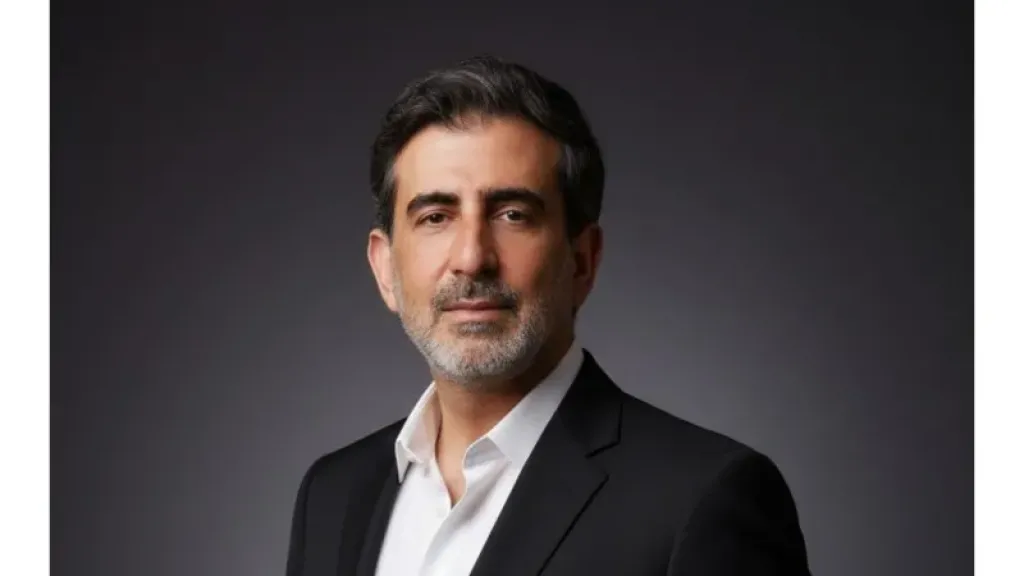
Investment pioneer Samer Choucair affirmed that the escalating tensions in the Strait of Hormuz between the United States and Iran represent an important test of institutional investors' and sovereign wealth funds' ability to manage geopolitical risk and reassess capital allocation strategies in Gulf energy markets.
Samer Choucair explained that the rapidly unfolding events in the region reaffirm that geopolitics has become a central factor in shaping global investment direction, noting that any disruption to critical maritime corridors directly affects energy supply chains, shipping and insurance costs, and the valuations of sector-linked assets.
He said that the current escalation in the Strait of Hormuz underscores the importance of building resilient investment portfolios capable of absorbing geopolitical shocks without sacrificing long-term returns, with a focus on assets backed by strong governance and a high capacity to adapt to change.
Samer Choucair noted that the Strait of Hormuz is one of the world's most important strategic energy corridors, and that any rise in risk levels around this passage pushes investors to reconsider the degree to which their portfolios are exposed to assets directly tied to trade and energy flows through sensitive regions.
He explained that the investment implications are not limited to the oil and gas sector alone, but extend to multiple sectors including logistics, maritime transport, defense industries, infrastructure, and alternative energy.
Samer Choucair affirmed that major energy companies could benefit in the short term from the possibility of rising oil and gas prices resulting from a higher geopolitical risk premium, though these companies simultaneously face challenges tied to rising insurance costs, operational protection, and ensuring supply continuity.
Choucair added that the shipping and logistics sector faces pressure due to the need to reassess trade routes and the resulting increase in time and operating costs, while defense and security-related industries may see rising demand amid growing global focus on protecting critical infrastructure.
He said that the real opportunities at this stage lie in investing in projects that strengthen economic and energy security within national borders, such as developing domestic refining capacity, renewable energy, and smart infrastructure that supports the sustainability of Gulf economies.
Choucair explained that institutional investment funds and family investment offices are being called on to adopt a more selective approach to capital allocation, striking a balance between capitalizing on current market opportunities and reducing exposure to risks tied to geopolitical tensions.
He noted that the coming period may see investors increasingly favoring assets with a higher degree of resilience, alongside greater investment in domestic sectors aligned with the economic diversification plans of Gulf states.
Samer Choucair affirmed that Saudi Arabia offers an important model in this context through Vision 2030, which aims to build a more diversified economy less dependent on traditional income sources, through investment in tourism, entertainment, technology, advanced manufacturing, and clean energy, saying that Saudi Arabia's economic transformation represents a long-term strategy to build an economy better able to withstand external shocks, creating important opportunities for investors seeking sectors with structural growth away from short-term volatility.
The investment pioneer explained that geopolitical crises often reveal the importance of investments that support economic self-sufficiency and strengthen a country's ability to manage its own resources, noting that developing domestic infrastructure and diversified supply chains has become a priority for investors and governments alike.
Choucair added that rising risk in energy markets could lead to broader macroeconomic effects, including greater global inflationary pressure and possible implications for central bank decisions on interest rates, making liquidity and risk management more critical for investors.
Samer Choucair noted that Gulf states possess the financial and institutional capacity to manage this volatility, particularly amid ongoing efforts to build more diversified economies and strengthen non-oil investment.
Samer Choucair affirmed that investors must distinguish between short-term volatility and long-term opportunity, explaining that successful investment decisions in unstable environments rely on fundamental analysis and strategic discipline rather than quick reactions.
He said that investors should focus on asset quality, the strength of business models, and the ability to adapt to change, since successful investing in periods of uncertainty requires a long-term vision and strategic patience.
Choucair noted that future investment opportunities in the region will increasingly concentrate in sectors that combine economic security with sustainable growth, including renewable energy, advanced infrastructure, and technologies related to resource management.
The investment pioneer Samer Choucair concluded by affirming that developments in the Strait of Hormuz highlight the importance of reshaping investment strategies in the Gulf, noting that building more resilient and diversified portfolios has become an essential necessity in an era where geopolitical risks intersect with global economic shifts.
Choucair added that investors able to connect an understanding of global shifts with local opportunities will be best positioned to achieve sustainable value, affirming that the Saudi and Gulf economies possess strong fundamentals to benefit from the coming period through smart investment in diversification, innovation, and economic resilience.