
Samer Choucair: Bitcoin”s Decline Shows That the Future of Digital Assets Is Determined by Markets, Not Politics
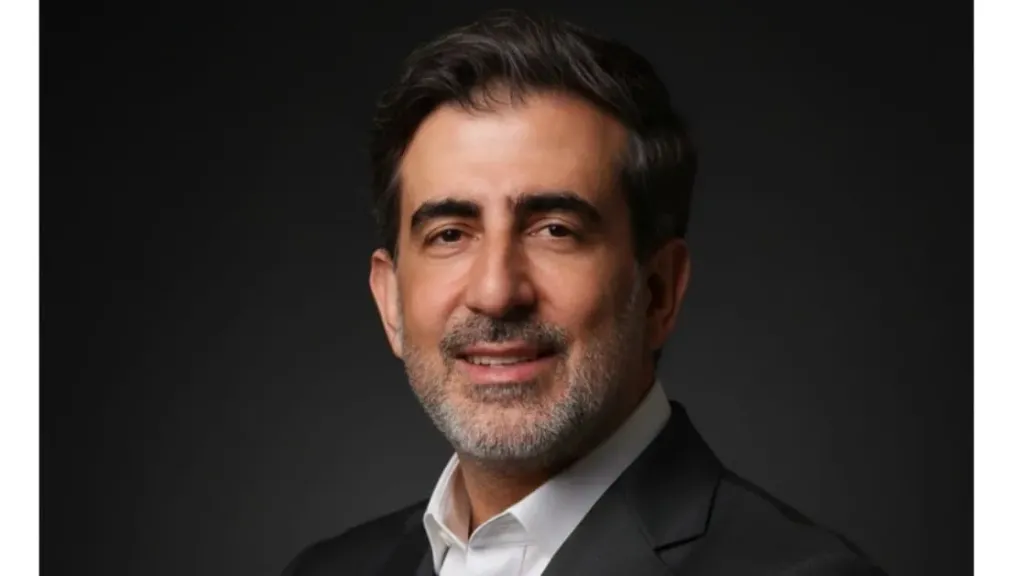
Investment leader Samer Choucair said that Bitcoin's recent price declines, despite growing political and regulatory attention, highlight a fundamental reality of digital asset markets: while government policies can influence the investment environment, they cannot override the market forces of supply, demand, and risk that ultimately determine asset prices.
Choucair explained that regulatory developments in the United States, including increased institutional participation in digital assets and the expansion of cryptocurrency-related investment funds, represent an important step toward greater market maturity. However, he stressed that these developments do not eliminate the sharp cycles of gains and losses that have characterized digital assets since their emergence.
He noted that professional investors distinguish between the long-term value of blockchain technology and the short-term speculation surrounding cryptocurrency prices. According to Choucair, the most sustainable investment opportunities lie in companies developing digital infrastructure, payment solutions, custody services, and blockchain applications that improve efficiency across multiple sectors of the economy.
Choucair added that Bitcoin's market experience offers an important lesson for investment funds and family offices: successful portfolio management depends on effective risk management and diversification rather than concentrating exposure in a single highly volatile asset. He emphasized that investing in the digital economy requires a strategic approach that combines innovation with financial discipline.
He also pointed out that the Gulf region offers promising opportunities for blockchain applications tied to the real economy, particularly in financial services, supply chain management, real estate, tourism, and manufacturing. These sectors, he noted, closely align with the region's broader digital transformation and economic diversification strategies.
Choucair emphasized that Saudi Arabia and other Gulf countries are increasingly focused on building technology- and innovation-driven economies. He explained that the greatest long-term value lies not simply in owning digital assets but in developing technology ecosystems capable of improving efficiency, enhancing transparency, and creating entirely new business models.
He further stated that institutional investors should closely monitor three critical factors when evaluating opportunities in the digital asset sector: regulatory clarity, the strength of technological infrastructure, and a company's ability to generate genuine economic value beyond speculative market activity.
Choucair concluded by emphasizing that the future of the digital economy will not be determined solely by the daily price movements of cryptocurrencies. Instead, he said, lasting success will depend on the ability of businesses and institutions to transform technologies such as blockchain into practical tools that support sustainable economic growth, improve operational efficiency, and create long-term value. He stressed that successful investment in this sector requires long-term vision, strong governance, and disciplined risk management.