
Samer Choucair: Estrel Tower Highlights the Future of Mixed-Use Real Estate Investment in Europe
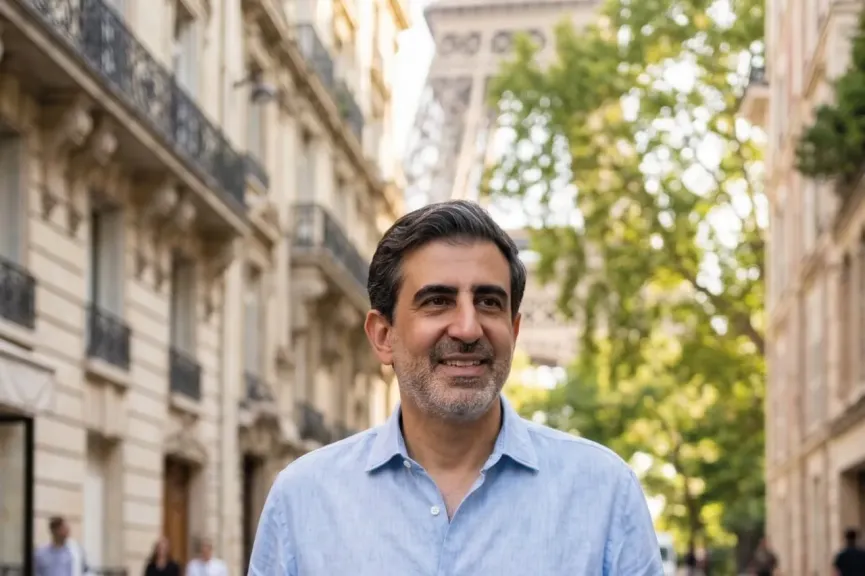
Investment leader Samer Choucair said that the Estrel Tower project in Berlin reflects a significant shift in the European real estate sector, as major markets increasingly favor mixed-use developments that combine hospitality, office space, entertainment, and environmental sustainability. He noted that this trend aligns with institutional investors' growing preference for assets capable of generating resilient, long-term returns.
Choucair explained that the tower, which will rise approximately 176 meters and is expected to open by the end of 2026, represents a new model of urban development in Berlin by integrating a major hotel, flexible office spaces, conference and event facilities, restaurants, and other amenities within a single project designed to maximize the property's operational value.
He pointed out that Europe's commercial real estate market is undergoing a broad reassessment following changes in workplace dynamics and the increasing importance of sustainability. As a result, investors are placing greater emphasis on developments that offer diversified revenue streams and stronger resilience against economic fluctuations.
Choucair added that sustainable real estate projects meeting advanced environmental standards have become increasingly attractive to investment funds, particularly as European regulations surrounding energy efficiency and emissions reduction continue to tighten. He emphasized that integrating smart technologies with modern urban design has become a key driver of long-term asset value.
He noted that the Estrel Tower model offers valuable lessons for investors in the Gulf, where smart cities and mixed-use developments have become central components of economic diversification strategies. Modern real estate investment, he said, is no longer defined solely by location and size, but by operational performance, user experience, and sustainability.
Choucair also emphasized that European markets continue to provide attractive opportunities for investors seeking geographic diversification, particularly in cities supported by strong knowledge-based economies, thriving tourism sectors, and robust business activity. However, he stressed the importance of carefully evaluating risks related to construction costs, interest rates, and evolving demand for office space.
Choucair concluded by stating that the future of real estate investment belongs to assets that successfully combine operational flexibility, advanced technology, and sustainability. He added that large-scale developments capable of transforming urban challenges into economic opportunities are likely to become benchmark projects within global real estate markets over the coming years.