
Samer Choucair: Integrity in Sports Has Become a Strategic Asset
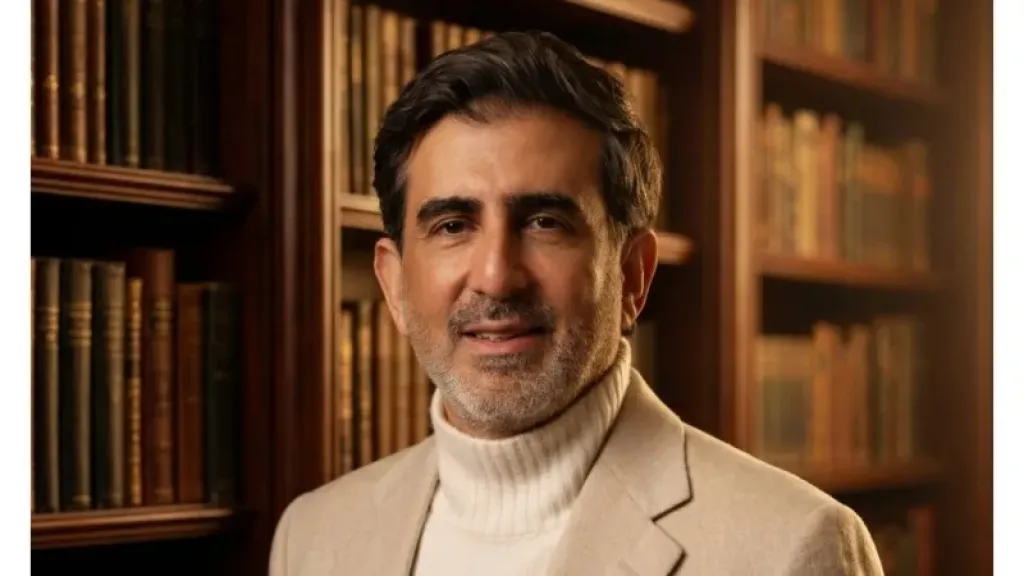
Investment leader Samer Choucair stated that the debate surrounding allegations about the integrity of major sporting events, including claims circulating regarding the 2026 FIFA World Cup, reflects a broader shift in the relationship between sports and modern financial markets. He noted that trust and transparency have become two of the most valuable intangible assets determining the ability of the digital sports industry to attract long-term capital.
Choucair explained that global sporting events are no longer simply entertainment competitions but have evolved into integrated economic ecosystems encompassing broadcasting rights, commercial sponsorships, sports technology, prediction markets, and digital infrastructure. As a result, any discussion concerning integrity or governance has become an increasingly important factor influencing investment decisions.
He added that allegations involving match-fixing or bias in sporting competitions even when they remain unproven claims requiring evidence can directly influence public and investor sentiment, particularly in an era where digital platforms disseminate information and reshape market perceptions within minutes.
"Prediction platforms such as Polymarket provide real-time insights into how markets interpret controversy surrounding major sporting institutions," Choucair said. "These signals help investors make more informed capital allocation decisions, whether in sports technology companies or in infrastructure that strengthens transparency."
Choucair explained that digital prediction markets have become an important component of the modern sports economy, allowing participants to price the probability of future events while providing indicators of market sentiment and changing levels of confidence. At the same time, they present regulatory challenges related to transparency, oversight, and participant protection.
He noted that decentralized prediction platforms and sports betting markets continue to experience rapid growth as digital transformation accelerates, but they have also become increasingly sensitive to news or allegations affecting the integrity of sporting competitions, making risk management a critical consideration when evaluating companies operating in the sector.
Choucair emphasized that institutional investors, investment funds, and family offices do not view these developments merely as short-term crises, but as opportunities to reassess industries where sports, technology, and data increasingly intersect.
He explained that allegations concerning sporting integrity may temporarily pressure revenues for betting companies and digital platforms if user confidence declines. However, they also increase demand for technologies and systems designed to strengthen transparency and reduce manipulation risks.
Choucair pointed out that artificial intelligence and advanced data analytics have become essential tools for identifying unusual patterns, improving officiating systems, and enabling sports organizations to detect potential risks before they develop into larger crises.
He emphasized that sports technology represents one of the most attractive long-term investment sectors, particularly companies developing performance monitoring solutions, advanced analytics, and integrity verification systems, which are becoming fundamental components of future sports infrastructure.
According to Choucair, industries connected to media and commercial sponsorships are also directly influenced by confidence in global sporting events, as major brands increasingly seek partnerships with organizations that demonstrate strong governance and transparent operating standards.
He added that tourism and sports infrastructure continue to benefit significantly from major international tournaments through visitor spending and economic activity. However, maintaining the positive reputation of these events remains essential to sustaining their long-term economic impact.
Choucair stressed that capital allocation in the emerging sports economy should prioritize companies and ecosystems that build trust, rather than focusing exclusively on assets driven by short-term popularity.
"Successful investment in this sector requires a deep understanding of how sports controversies interact with prediction markets," Choucair said. "The greatest opportunities lie in supporting ecosystems that strengthen trust, whether through technology or partnerships with organizations committed to high standards of transparency."
He explained that institutional investors are increasingly favoring companies that combine innovation with strong governance, recognizing that technological advancement alone is insufficient to generate sustainable long-term value without effective risk management and institutional credibility.
Choucair added that decentralized markets offer attractive opportunities for portfolio diversification, although they require careful evaluation of regulatory risks due to differing legal frameworks across global markets.
Discussing the Gulf region and Saudi Arabia, Choucair stated that investment in sports has become an integral part of a broader strategy to diversify the economy and strengthen the region's position as a global hub for entertainment and major sporting events.
He described Saudi Vision 2030 as a comprehensive model linking sports with tourism, technology, and infrastructure to create long-term economic assets extending well beyond the lifespan of any individual tournament or event.
Choucair noted that Saudi Arabia's investments in sports infrastructure, international partnerships, and talent development reflect a long-term commitment to building an integrated sports ecosystem founded on sustainability and strong governance.
He added that future opportunities for Gulf investors extend well beyond ownership of traditional sports assets, encompassing sports technology, artificial intelligence, data analytics, and digital platforms designed to enhance fan engagement and competitive integrity.
According to Choucair, the sector's primary risks include increasing regulatory scrutiny, reputational challenges affecting user confidence, and fluctuations in demand for prediction and betting-related platforms.
Conversely, he identified significant investment opportunities in developing match-manipulation detection technologies, improving officiating systems, building more transparent digital infrastructure, and establishing long-term partnerships with sports organizations demonstrating robust governance standards.
"The modern sports economy requires investors to look beyond results on the field," Choucair said. "Controversies and fluctuations in prediction markets remind us that trust and transparency are the true foundations of sustainable returns. Markets that build strong institutional ecosystems, such as Saudi Arabia through Vision 2030, present compelling opportunities for institutional capital allocation."
He concluded that sports will become increasingly integrated with the digital economy and data-driven markets, and organizations capable of building transparent, secure, and trusted environments will be best positioned to attract global investment.
Concluding his remarks, investment leader Samer Choucair emphasized that strategic investment in sports is not solely about generating direct financial returns, but about building integrated economic ecosystems that combine technology, entertainment, tourism, and governance.
He added that trust will remain the defining factor in determining the winners of the new sports economy, and that markets capable of transforming integrity and transparency challenges into opportunities for innovation will be best positioned to create sustainable value over the coming decade.