
Samer Choucair: Global Economic Shifts Are Redrawing the Investment Landscape and Creating New Strategic Opportunities for the Gulf
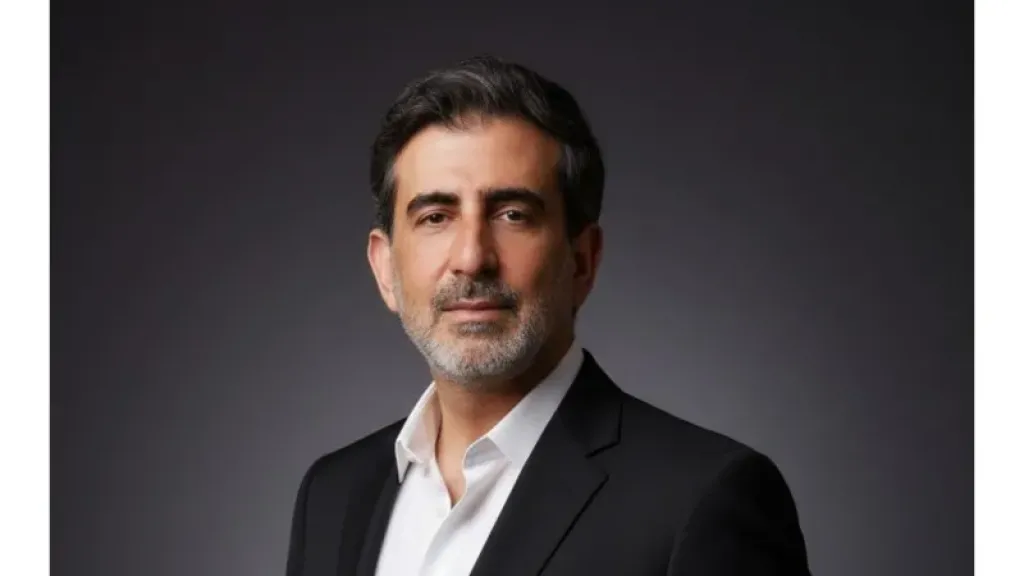
Investment leader Samer Choucair stated that the growing global debate over the future of the U.S. economy and the evolving balance of financial and geopolitical power is prompting institutional investors and sovereign wealth funds to reassess their capital allocation strategies. He noted that current developments do not signal an immediate decline in the United States' global position, but rather highlight the increasing need to build more diversified and resilient investment portfolios.
Choucair explained that the 250th anniversary of U.S. independence has coincided with widespread discussions surrounding the country's rising public debt, government spending trajectory, and the impact of geopolitical developments on the global economy.
He pointed out that U.S. federal debt has surpassed $38 trillion, according to the U.S. Department of the Treasury, while annual U.S. defense spending continues to exceed $800 billion, making fiscal sustainability and deficit management among the key issues closely monitored by investors worldwide.
Choucair noted that the U.S. economy continues to benefit from significant structural strengths, including deep financial markets, the global role of the U.S. dollar, and continued technological innovation. However, elevated debt levels and persistent fiscal deficits are encouraging investment institutions to evaluate long-term risks more carefully while diversifying both geographic and sector exposure.
He added that these global shifts create growing opportunities for Gulf economies—particularly Saudi Arabia—to attract international capital through economic diversification programs aligned with Vision 2030.
Choucair emphasized that investments in infrastructure, technology, renewable energy, tourism, and logistics represent high-potential sectors capable of generating sustainable long-term value.
"The modern investment strategy is no longer based on selecting a single market," Choucair said. "It is about building a balanced portfolio of assets capable of withstanding global volatility. Sovereign wealth funds are playing an increasingly active role in developing globally competitive domestic industries while expanding international partnerships."
The investment leader stressed that geopolitical developments should be approached through disciplined analysis rather than emotional expectations, emphasizing that the most attractive investment opportunities emerge in countries with long-term strategic visions, competitive business environments, and the ability to attract talent, innovation, and technology.
Choucair added that Saudi Arabia represents an important example of this transformation through investments in emerging sectors designed to reduce dependence on oil while strengthening the Kingdom's position as a regional economic and investment hub.
He concluded that the coming years are likely to witness a continued global reallocation of capital, making resilience, diversification, and strong governance the defining pillars of successful long-term investment strategies.