
Samer Choucair: Investment in Sports Has Become a Fundamental Pillar of Building the Economy of the Future
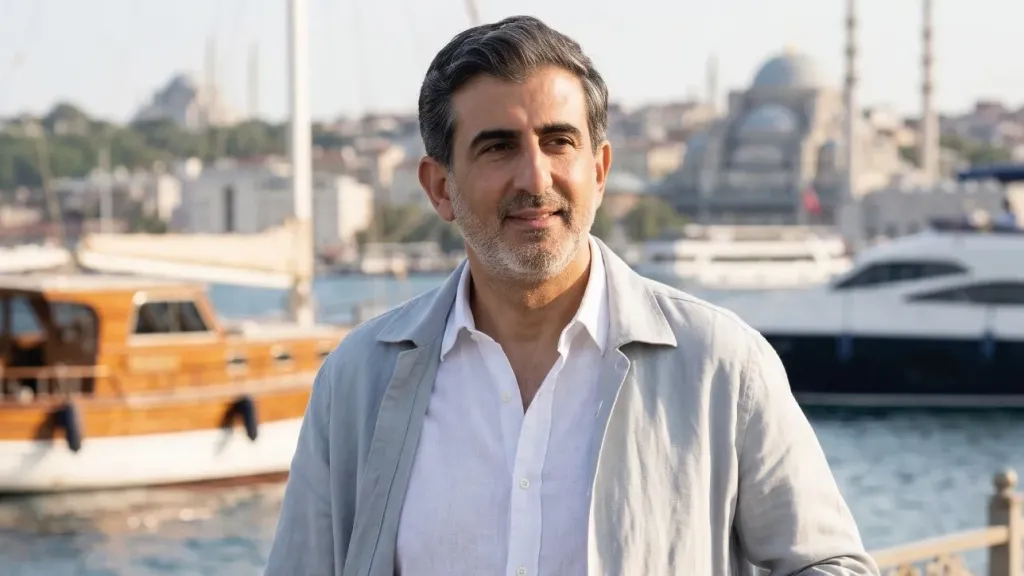
Investment leader Samer Choucair emphasized that the transformation taking place across the global sports economy, alongside the 2026 FIFA World Cup, reflects a fundamental shift in how sports investment is perceived. He explained that the sector is no longer limited to marketing sponsorships or media exposure, but has evolved into a strategic asset used by sovereign wealth funds and institutional investors to strengthen global influence, attract tourism, support economic diversification, and generate sustainable revenue streams beyond traditional industries.
Choucair noted that the global sporting landscape during the 2026 FIFA World Cup, including record-breaking fan engagement and major international partnerships such as Saudi Aramco's partnership with FIFA in the energy category, highlights the increasing convergence of sports with sectors including energy, technology, tourism, and infrastructure. He added that these developments offer valuable lessons for investors seeking to allocate capital toward industries capable of delivering long-term economic value.
According to Choucair, estimates surrounding the 2026 FIFA World Cup suggest that FIFA could generate more than $13 billion in revenue from broadcasting rights, sponsorships, hospitality, and commercial activities, while host nations are expected to benefit from increased tourism spending and stronger demand across transportation, hospitality, and digital services.
He stressed that these figures demonstrate the economic power of sport as a global platform capable of stimulating multiple value chains, noting that institutional investors increasingly view major sporting events as long-term economic catalysts rather than short-term entertainment spectacles.
"The era of sports sponsorship as a simple marketing expense has ended," Choucair said. "Today, it represents an essential component of national branding strategies and foreign direct investment attraction. What we are witnessing during the World Cup confirms that emerging markets such as Saudi Arabia offer a unique combination of economic opportunity and long-term strategic stability that institutional investors are seeking."
Choucair explained that the presence of leading Saudi brands on the world's largest sporting platforms strengthens the Kingdom's reputation as an investment and tourism destination while generating indirect value by reinforcing international confidence in Saudi Arabia's economy and its ability to host globally significant projects.
He added that institutional investors, sovereign wealth funds, and family offices are increasingly reassessing allocations to alternative assets linked to sports and entertainment, recognizing these sectors' ability to combine financial returns with broader economic and social impact.
He pointed out that recurring revenues generated by broadcasting rights and sponsorship agreements provide relatively stable cash flows for media and telecommunications companies, while continued growth in sports tourism creates new investment opportunities across hospitality, leisure real estate, and digital fan experiences.
Choucair emphasized that this direction aligns closely with Saudi Arabia's Vision 2030, which positions sport as part of a fully integrated economic ecosystem encompassing tourism, entertainment, infrastructure, and the digital economy.
"We are witnessing a shift in investor behavior toward assets that combine financial performance with wider economic and social value," Choucair stated. "Investment in sports infrastructure and tourism across the region offers long-term opportunities supported by clear national strategies."
He highlighted tourism and hospitality as among the sectors positioned to benefit most from the expansion of the sports economy, as major international events continue to accelerate the development of hotels, entertainment destinations, and flagship tourism projects such as Diriyah, NEOM, and other emerging destinations under Saudi Arabia's diversification strategy.
Choucair also noted that media and digital broadcasting are experiencing significant growth opportunities as the value of sports rights continues to increase, accompanied by rapid innovation in fan engagement technologies, smart applications, data analytics, and artificial intelligence that are reshaping how audiences consume sports content.
He added that energy companies and corporate sponsors remain central players within the modern sports economy, using global sporting events to strengthen brand visibility while balancing evolving sustainability expectations and environmental considerations.
According to Choucair, investment opportunities also extend to sports infrastructure and logistics, including stadium development, transportation networks, and event-support services, particularly in countries investing heavily in their capacity to host major international competitions.
He acknowledged that the sector continues to face several challenges, including energy price volatility, environmental and regulatory pressures affecting sponsorship models, intense global competition for sporting events and talent, and the possibility that some large-scale projects may not achieve expected short-term returns.
Nevertheless, Choucair stressed that capital allocation within sport should form part of a broader long-term investment strategy focused on building integrated economic ecosystems rather than concentrating resources on individual events or standalone assets.
He pointed out that Saudi Arabia's Public Investment Fund continues to deploy significant capital into the sports sector through specialized entities and initiatives designed to develop domestic sports, invest in clubs, and attract major international events as part of a broader vision to establish globally competitive industries.
"Global capital has become increasingly selective," Choucair said. "Investors are directing resources toward markets that offer genuine opportunities backed by confidence in long-term policy frameworks. Saudi Arabia provides that combination today, and investment in sports has become an integral part of building a diversified economy for the future."
He added that while Gulf countries are competing to attract sports-related investment and talent, Saudi Arabia enjoys a competitive advantage through the integration of sports with tourism, innovation, infrastructure, and wider economic development, creating an environment capable of attracting institutional capital seeking both financial returns and long-term developmental impact.
Choucair explained that several structural drivers continue to support sports investment, including efforts to reduce dependence on oil revenues, accelerate digital transformation, create world-class entertainment experiences, and build international partnerships that strengthen trade and investment ties.
He expects sports investment across the Gulf region to continue expanding over the coming years, with greater emphasis on sustainability, inclusivity, and integrating sports into broader economic ecosystems capable of creating value long after major events conclude.
"Strategic investors should not view sports as an isolated sector," Choucair remarked. "Instead, it should be considered part of a diversified portfolio that combines defensive assets with carefully selected regional growth opportunities to achieve a balanced long-term risk-return profile."
Looking ahead, Choucair believes the strongest investment opportunities will emerge through public-private partnerships developing sports infrastructure, investments in fan experience technologies and artificial intelligence, sustainable sports tourism, and continued digital transformation across sports media.
He concluded by emphasizing that institutional investors and sovereign wealth funds should closely monitor the performance of Saudi Arabia's sports investments as an important indicator of the Kingdom's broader economic diversification strategy, while maintaining a strong focus on governance, sustainability, and integration with other sectors of the economy.
Choucair concluded that the ability to connect global opportunities with clear national strategies has become one of the defining competitive advantages in an era of increasingly selective capital allocation, noting that strategic investment in sports has evolved from a complementary activity into a core pillar of building the economies of the future.