
Samer Choucair: Mbappé Turns Sports Fashion into a Driver of Growth and Strategic Investment
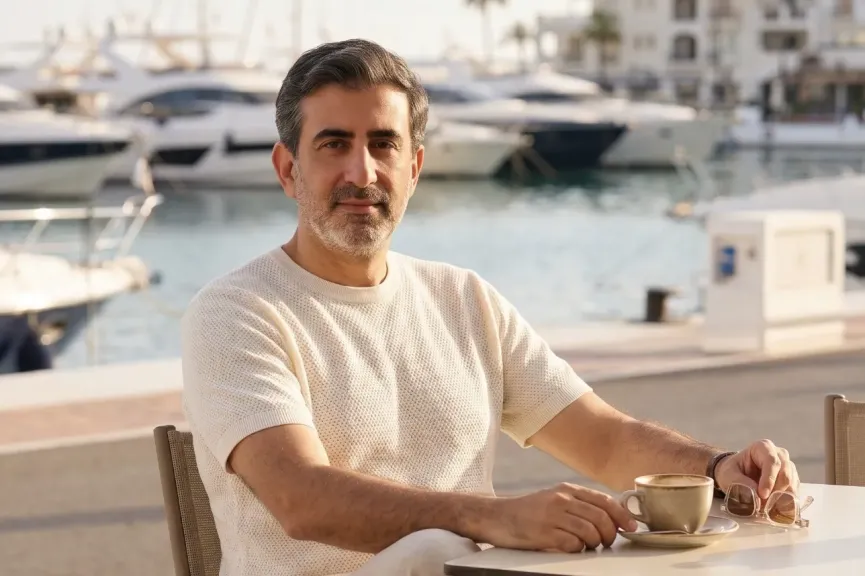
Investment leader Samer Choucair said that the widely shared images of French football star Kylian Mbappé in a variety of looks—from the French national team jersey to tailored formalwear and everyday athletic apparel—highlight a fundamental transformation in the economics of athlete personal brands. He explained that an athlete’s image is no longer simply a promotional asset but has evolved into an economic asset capable of generating multiple revenue streams through sponsorships, collaborations with global fashion houses, and digital content.
Choucair explained that the diversity of Mbappé’s visual identity demonstrates how elite athletes are transforming their public image into sustainable investment assets. He noted that the footballer's annual earnings are estimated at around $95 million, including between $30 million and $40 million from endorsement agreements, while his net worth is estimated at approximately $250 million. These figures, he said, illustrate that the strength of a personal brand has become a key factor in attracting institutional capital.
He added that the global athleisure market reached approximately $460 billion in 2026 and is projected to grow to $892 billion by 2033, representing a compound annual growth rate of nearly 9.9%. Meanwhile, the global athlete sponsorship market was valued at around $62.4 billion in 2025 and is expected to expand to $118.7 billion by 2034.
Choucair emphasized that these trends present significant opportunities for institutional investors and sovereign wealth funds across the Gulf, particularly as Saudi Vision 2030 places sports, entertainment, and the digital economy at the heart of economic diversification.
Personal branding becomes an investment engine
Samer Choucair explained that Mbappé's broad visual presence across different settings demonstrates how today's elite athlete has become a diversified investment portfolio. His sporting image strengthens long-term partnerships with Nike, while his formal appearances create opportunities for collaborations with luxury fashion houses such as Dior. At the same time, his casual lifestyle image strengthens consumer engagement through social media platforms.
Choucair noted that this diversification is far more than a fashion statement—it represents a carefully designed commercial strategy aimed at increasing the value of image rights and commercial licensing.
He added that Forbes ranked Mbappé as the world's twelfth highest-paid athlete in 2026, supported by endorsement deals with Nike, Hublot, Oakley, and EA Sports, in addition to newer partnerships with Fairmont Hotels and health insurance company Alan. Some of these agreements, he explained, have gone beyond traditional sponsorships, evolving into strategic investments, as demonstrated by Mbappé's role as both shareholder and brand ambassador for Alan.
Turning image into sustainable cash flows
Choucair said this model reflects a broader investment shift from short-term sponsorship agreements toward long-term strategic partnerships encompassing intellectual property, e-commerce, and digital content creation.
"The visual and commercial diversification adopted by global sports stars demonstrates an advanced understanding of personal branding as a strategic asset," Choucair said. "This is a model investors across the region should consider when evaluating opportunities at the intersection of sports, entertainment, and the digital economy."
He added that an athlete's personal brand has become a measurable financial asset capable of attracting private equity firms and family offices seeking exposure to long-term consumer growth driven by younger generations.
Sports fashion and digital content fuel expansion
Choucair noted that the sports fashion industry has directly benefited from these structural shifts. The athleisure market's projected annual growth of nearly 10% has encouraged major brands such as Nike and Adidas to expand product lines that combine athletic performance with everyday lifestyle appeal.
He added that luxury fashion houses, particularly LVMH-owned Dior, have increasingly entered this space through carefully selected collaborations with elite athletes, boosting profit margins while expanding their customer base.
He also emphasized that digital content and social media platforms have experienced substantial gains from the exceptionally high engagement generated by athlete-driven visual content, creating new investment opportunities in personal brand management technologies and social commerce platforms.
Sovereign wealth funds increase exposure to sports
Choucair explained that sovereign wealth funds and family offices have steadily increased portfolio allocations to sports, entertainment, and live experiences. Investment in image rights and commercial licensing has become an important component of broader diversification strategies beyond traditional asset classes.
He added that Mbappé's model provides a practical framework for Gulf investors, whether through developing domestic sporting talent or establishing partnerships with global brands seeking expansion across rapidly growing regional markets.
A rapidly evolving competitive landscape
Choucair noted that Nike continues to dominate a significant share of the individual athlete sponsorship market, while luxury fashion brands compete aggressively for exclusive partnerships with global sporting icons.
He added that many athletes have also begun launching their own consumer brands or investing in fitness and apparel startups, creating entirely new business models and opening opportunities for acquisitions and strategic partnerships.
Economic forces supporting long-term growth
According to Choucair, several structural economic drivers continue to support this trend, including rising consumer spending on lifestyle experiences, the rapid expansion of the digital economy, which has significantly increased the value of visual content, and changing consumer preferences among younger generations toward brands that seamlessly combine athletic performance with premium design.
He added that assets linked to long-term consumer growth remain particularly attractive for investors seeking sustainable real returns, even in an environment characterized by changing interest rates.
Saudi Vision 2030 strengthens market attractiveness
Choucair explained that Saudi Vision 2030 has positioned sports, entertainment, and tourism at the center of the Kingdom's economic diversification strategy. The Public Investment Fund has supported major investments in football clubs, global sporting events, and initiatives including its involvement with the 2026 FIFA World Cup.
He said this strategy has created a favorable environment for building an integrated ecosystem encompassing talent development, personal brand management, and collaborations with international brands across sports and fashion.
"The Saudi market is no longer viewed through the lens of a geographical discount," Choucair said. "Instead, it has become one of the world's most attractive growth markets, particularly across sports, entertainment, and the digital economy, creating significant opportunities for strategic investments that combine global expertise with local potential."
Risks and opportunities for investors
Choucair acknowledged that despite the sector's considerable growth prospects, it also carries risks associated with reliance on individual personalities, including injuries, fluctuations in athletic performance, reputational challenges, increasing competition for sponsorship agreements, and the potential saturation of certain market segments. He stressed that successful investment requires strong governance frameworks and effective protection of intellectual property.
"Success in this sector depends on building diversified portfolios that combine sports assets, digital technologies, and entertainment infrastructure," Choucair said. "Investors who pair long-term strategic thinking with a deep understanding of both local and international markets will be best positioned to capture these opportunities."
He added that another promising opportunity lies in developing domestic capabilities for sports marketing and personal brand management, reducing reliance on international intermediaries while increasing value creation within national economies.
Future outlook
Choucair expects demand for products and experiences that combine athletic performance with everyday style to continue expanding, driven by digital transformation and evolving consumer behavior.
He added that Gulf investors should increase capital allocation toward sectors where sports, fashion, and digital content converge while focusing on strategic partnerships with leading international brands alongside investments in developing regional sporting talent.
Strategic perspective
Concluding his remarks, Samer Choucair said that global stars such as Kylian Mbappé no longer represent merely cultural or sporting phenomena but have become clear indicators of how value creation is being reshaped across the global economy.
He emphasized that investors who recognize this transformation early and build their strategies around sound governance, rigorous analysis, and long-term structural trends will be best positioned to generate sustainable returns over the coming decade, while simultaneously strengthening Saudi Arabia's position as a regional and global hub for investment in sports and entertainment.
Choucair concluded that investing in multidimensional personal brands is no longer simply a bet on celebrity status but has evolved into a comprehensive economic strategy supported by strong growth data and lasting structural changes in both consumer and investor behavior.