
Samer Choucair: Resilience, Strong Governance, and Genuine Diversification Are the Best Defense Against Geopolitical Shocks
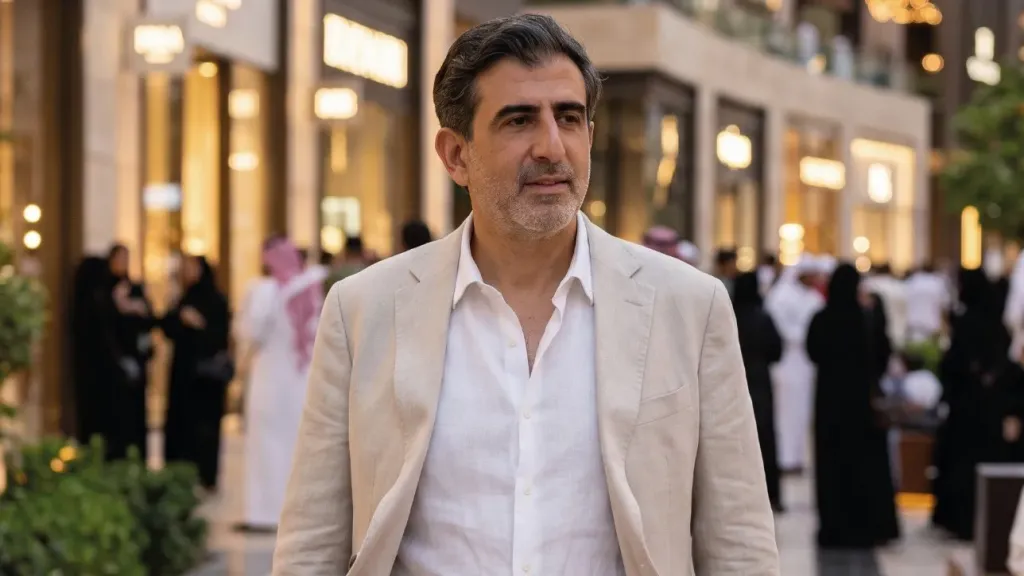
Investment expert Samer Choucair stated that the latest military escalation involving new U.S. strikes on Iran and the strategic options facing the U.S. administration is reshaping the geopolitical risk landscape across global energy markets and international investments. He noted that these developments require institutional investors, sovereign wealth funds, and asset managers to reassess their capital allocation strategies, geographic exposure, and sector positioning.
Choucair explained that the current situation represents a new phase of elevated geopolitical risk premiums in the Middle East, with direct implications for global energy markets, supply chains, and international capital flows. He emphasized that investors should shift their focus from short-term price volatility toward evaluating the resilience of economies and businesses and their ability to withstand external shocks while maintaining sustainable growth.
He noted that tensions involving Iran extend well beyond their immediate military dimension because of the region's central role in global energy supplies. Any potential disruption to shipping routes or maritime security—particularly through the Strait of Hormuz—could quickly affect crude oil supply, leading to higher energy prices, increased transportation costs, and rising insurance premiums.
According to Choucair, financial markets have historically responded to such events by repricing energy-related assets and logistics companies, while investors typically increase allocations to hedging instruments and assets with greater resilience during periods of uncertainty.
"The current escalation raises the cost of capital across the region and forces institutional investors to reconsider valuation models developed during periods of relative stability," Choucair said. "The priority should move beyond monitoring commodity prices to assessing supply chain resilience and the effectiveness of risk management strategies."
He explained that Gulf equity markets, including the Saudi stock market, face a dual impact under current conditions. On one hand, companies linked to the energy sector may benefit from higher commodity prices. On the other, broader markets could experience pressure as geopolitical uncertainty influences foreign direct investment decisions and investor sentiment.
Choucair identified the energy sector as one of the industries most directly affected by current developments. He noted that low-cost Gulf producers, particularly Saudi Aramco, maintain a competitive advantage over higher-cost producers, although the current environment still requires sophisticated approaches to risk management and hedging.
He added that the defense and military industries may experience stronger demand in the near term as governments place greater emphasis on regional security, creating opportunities for global companies with expertise and exposure to defense-related markets.
Choucair also highlighted the challenges facing logistics and insurance companies as shipping costs rise, insurance premiums increase, and some trade routes require rerouting, placing additional pressure on operating margins across these sectors.
He emphasized that Saudi Arabia's non-oil economy has become increasingly important in the current environment, arguing that economic diversification is no longer solely a growth objective but a critical pillar of resilience against geopolitical volatility.
According to Choucair, capital allocation should increasingly prioritize assets supported by operational flexibility, experienced management teams, and strong corporate governance. Long-term investments in infrastructure, tourism, and technology within Saudi Arabia, he said, represent strategic opportunities to reduce dependence on commodity price cycles while strengthening sustainable returns.
"In this environment, institutional investors naturally favor assets with high operational resilience and strong governance," Choucair said. "Investments in infrastructure, tourism, and technology projects within Saudi Arabia provide a strategic pathway to reduce dependence on commodity price volatility while enhancing long-term returns."
He explained that this approach aligns closely with Saudi Arabia's National Investment Strategy, which continues directing capital toward future-oriented sectors that strengthen economic diversification and reduce the economy's vulnerability to external shocks.
Choucair also warned that current geopolitical tensions could place additional pressure on the global economy through the energy channel, influencing inflation expectations, global interest rate trajectories, and the strength of the U.S. dollar. As a result, some investors may increasingly seek safe-haven assets such as gold and highly rated government bonds during periods of elevated uncertainty.
He added that while Gulf economies could benefit from higher oil revenues if energy prices rise, these gains should be managed within a long-term framework that accounts for political and security risks while reinforcing overall economic resilience.
Choucair emphasized that current developments reinforce the importance of accelerating Vision 2030 initiatives across Saudi Arabia. Investments in projects such as NEOM, tourism, advanced manufacturing, and the digital economy should be viewed not merely as engines of growth but as strategic instruments for strengthening long-term economic resilience.
He further noted that attracting foreign direct investment into these sectors requires continued improvements in the business environment, greater transparency, and stronger governance standards to build lasting confidence among international investors.
"The greatest risks lie in the possibility of unexpected escalation or sudden de-escalation, both of which can generate significant market volatility," Choucair said. "At the same time, opportunities exist for selective investment in companies and projects with strong balance sheets and the ability to adapt to changing environments, particularly those supporting economic transformation across the Gulf."
He added that the current environment calls for effective geographic and sector diversification while maintaining adequate liquidity to capitalize on opportunities created by market repricing during periods of heightened volatility.
Choucair stressed that institutional investors and policymakers should continue monitoring diplomatic and military developments closely while remaining focused on long-term economic fundamentals rather than reacting solely to short-term market movements.
He concluded that investing in Saudi Arabia's diversified economy, alongside projects supporting food security, energy, and advanced technology, represents a more mature strategic approach in a world characterized by elevated geopolitical risk premiums.
Concluding his remarks, Choucair stated that current events serve as a reminder that markets often move faster than political developments, and successful strategic investing requires balancing rapid responsiveness with long-term vision.
He emphasized that building investment portfolios based on resilience, sound governance, and genuine diversification will remain the most effective strategy for protecting capital and generating sustainable value in an increasingly unpredictable geopolitical environment.