
Samer Choucair: Investing in Digital Compliance and Governance Is the Path to Building a Sustainable Media Industry
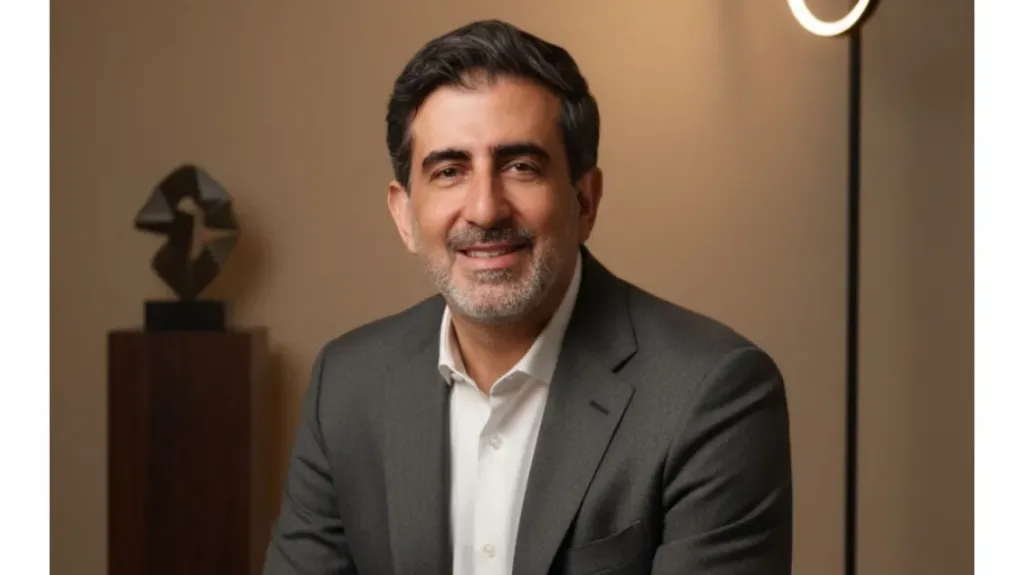
Investment leader Samer Choucair stated that the recent ruling by the UK Supreme Court in the case involving Prince Harry and Associated Newspapers Ltd., publisher of the *Daily Mail*, marks a significant turning point for the global media industry—not only from a legal perspective but also in terms of reshaping investment priorities and risk assessment. He explained that the coming years will see increasing investment in digital media models that combine innovation, regulatory compliance, and strong corporate governance.
Choucair noted that the court's dismissal of all claims brought by Prince Harry and six other claimants regarding allegations of unlawful information gathering, effectively bringing years of litigation to a close, carries substantial financial implications. With total legal costs reportedly estimated at approximately £50 million to be borne by the claimants, he said the decision demonstrates how legal risk is being re-priced within the traditional media sector and creates an opportunity for investors to reassess capital allocation toward more resilient, technology-driven business models built on compliance.
"The latest ruling shows that legal risks in the media industry are constantly evolving alongside regulatory frameworks," Choucair said. "Strategic investors should focus on companies building advanced digital compliance capabilities because those organizations will be best positioned to create sustainable value in the new media landscape."
Media Investment Priorities Continue to Evolve
Samer Choucair emphasized that these developments reinforce the importance of institutional investors and sovereign wealth funds adopting investment strategies that balance press freedom with the highest standards of governance, particularly as Gulf countries continue expanding investments in creative industries under Saudi Vision 2030.
He explained that the global media industry is currently facing simultaneous pressures from declining traditional advertising revenues and rising regulatory compliance costs. Over the past decade, privacy-related litigation and allegations of unlawful data collection have imposed significant financial burdens on many media organizations through settlements, legal provisions, and ongoing litigation expenses.
According to Choucair, the court's dismissal of all 97 allegations significantly reduces the legal uncertainty that had weighed on several major media companies, potentially supporting stronger market valuations for organizations with proven compliance records and effective risk management frameworks.
Digital Transformation Creates New Opportunities
Samer Choucair said traditional publishers continue to face a strategic challenge as they transition toward subscription-based digital business models, a process that requires substantial investment in technology, content verification systems, and digital infrastructure.
However, he noted that declining legal exposure related to the historic phone-hacking era provides companies with an opportunity to redirect financial resources away from litigation and toward innovation, product development, and long-term digital transformation.
He added that this shift has important implications for institutional investors and asset managers, as lower legal liabilities can reduce financial provisions, improve expected profit margins, and strengthen free cash flow generation—factors that historically influenced valuation multiples across European media companies.
Compliance Becomes a Competitive Advantage
Samer Choucair explained that the ruling also highlights the widening gap between traditional media organizations and digital-first platforms.
He noted that conventional publishers continue to rely on resource-intensive investigative journalism, while digital platforms increasingly leverage artificial intelligence and automated verification technologies to improve operational efficiency and reduce legal exposure.
As a result, Choucair believes the industry may witness increased mergers and acquisitions between traditional media organizations and technology companies seeking to strengthen internal AI capabilities, automated compliance systems, and content verification tools.
He added that institutional investors are increasingly prioritizing companies investing in compliance infrastructure and advanced content validation technologies, arguing that organizations capable of identifying legal risks before publication now possess a meaningful competitive advantage in global markets.
Technology and Governance Drive Future Growth
Samer Choucair stated that digital media platforms supported by diversified revenue models—including subscriptions, targeted advertising, and licensed content—have become increasingly attractive investment opportunities as traditional legal risks gradually decline.
He emphasized that directing capital toward businesses combining technological innovation with strong governance represents one of the most promising long-term investment strategies.
"The Gulf today has a historic opportunity to build a world-class media and entertainment industry," Choucair said. "Investment in internationally compliant content supported by advanced digital verification technologies can generate strategic long-term returns while enhancing the region's competitiveness in attracting global talent and partnerships."
The Gulf's Competitive Position
Samer Choucair observed that the media sector remains highly sensitive to monetary policy and interest rate movements, as higher borrowing costs increase the expense of digital transformation while slower global economic growth can weigh on advertising spending, particularly in consumer-facing industries.
Nevertheless, he noted that declining legal risks improve companies' ability to generate free cash flow that can support long-term investment.
He also highlighted that Gulf markets enjoy several structural advantages, including economic stability and growing government investment in creative industries as part of broader economic diversification initiatives.
According to Choucair, Saudi Arabia's Vision 2030 and investments led by the Public Investment Fund across media, entertainment, and sports create significant strategic opportunities for investors, particularly through the development of media production hubs, film industries, and internationally recognized entertainment events.
He stressed that building successful international partnerships requires confidence in transparent legal and regulatory frameworks.
Legal Certainty Strengthens Investment Confidence
Samer Choucair said the recent UK ruling offers an important lesson for international markets: countries that provide transparent legal systems and predictable regulatory environments are better positioned to attract foreign direct investment into creative industries.
He emphasized that future opportunities will increasingly depend on successfully combining local capabilities with internationally recognized governance standards.
"The greatest opportunities lie in investments that combine strategic vision with disciplined execution," Choucair said. "Investors should build balanced portfolios that include both high-growth digital assets and investments in compliance infrastructure and corporate governance."
Balancing Opportunities and Risks
Samer Choucair acknowledged that despite improving conditions, the industry continues to face challenges including evolving regulations surrounding privacy and artificial intelligence, currency fluctuations, reputational risks related to content, and increasing competition from major global digital platforms.
He explained that the strongest investment opportunities include developing local digital media platforms built on hybrid revenue models, investing in technology companies specializing in compliance and fact-checking solutions, and establishing strategic partnerships with international firms expanding into high-growth emerging markets.
Looking Ahead
Samer Choucair concluded by saying that sovereign wealth funds, family offices, and institutional investors should closely monitor three key developments over the coming years: the evolution of global privacy and AI regulations, the ability of traditional media companies to transition successfully toward digital subscription models while maintaining sustainable profitability, and the pace at which Gulf countries adopt governance and transparency standards that position them as global media and entertainment hubs.
He concluded that the ruling in Prince Harry's case against the *Daily Mail* publisher demonstrates that legal risks within the media industry can be effectively managed through clear regulatory frameworks and strong corporate governance. As Gulf economies continue building knowledge-based and creative industries, Choucair said, directing capital toward investments centered on compliance, innovation, and international partnerships will be essential to shaping the future of the global media and entertainment sector while creating sustainable long-term competitive advantages.