
Samer Choucair: Oil Markets Closely Watch the Impact of Rising Tensions with Iran
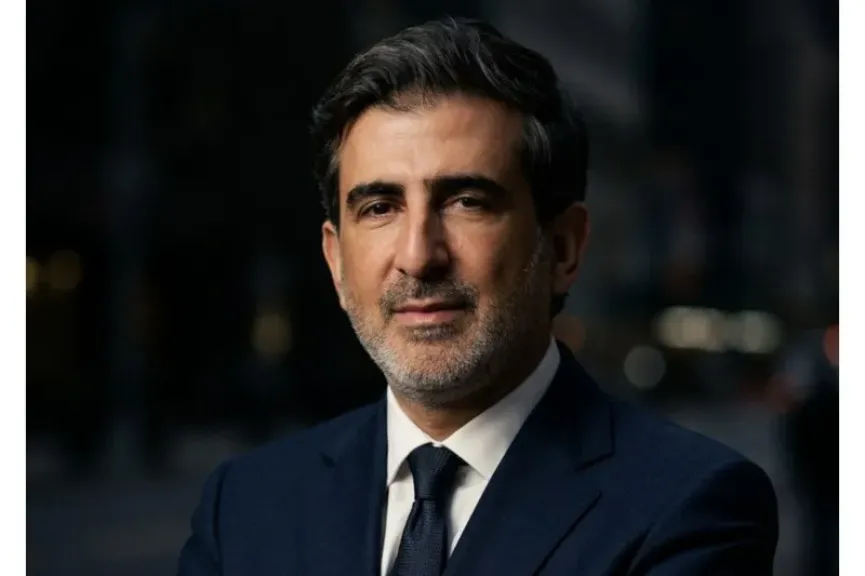
Investment expert Samer Choucair said recent remarks by U.S. President Donald Trump regarding the end of the Iran deal have once again highlighted the sensitivity of global oil markets to geopolitical developments. He noted that investors should carefully distinguish between short-term market reactions to political headlines and longer-term changes in the underlying fundamentals of global oil supply and demand.
Choucair explained that energy markets typically respond quickly to geopolitical signals originating from the Middle East, particularly when they involve the possibility of tighter sanctions or disruptions affecting a major oil producer. However, he emphasized that the key factor for markets is not political rhetoric alone, but whether such statements ultimately translate into concrete policy measures that materially impact global supply.
"Any additional restrictions on Iranian oil exports could increase the geopolitical risk premium in energy markets and provide near-term support for crude prices," Samer Choucair said. "The sustainability of that price movement, however, will depend on the actual reduction in supplies and the ability of other producers to offset any potential shortfall."
He added that institutional investors and sovereign wealth funds should approach the current environment with flexible investment strategies that balance opportunities in the energy sector with prudent management of political and economic risks.
According to Samer Choucair, higher oil prices resulting from geopolitical tensions could strengthen cash flows for low-cost energy producers, particularly in the Gulf region. At the same time, sustained increases in crude prices may contribute to higher global inflation, influence interest rate expectations, and affect the monetary policy decisions of major central banks.
"Oil markets react rapidly to geopolitical signals from Washington," Choucair said. "The critical question is whether those signals lead to a meaningful decline in Iranian exports or remain primarily political statements."
He stressed that investors must distinguish between temporary price movements driven by news headlines and structural trends supported by genuine shifts in supply and demand. Successful investment decisions, he said, require comprehensive analysis of economic fundamentals rather than reacting solely to short-term market volatility.
Choucair noted that the energy, oil, and natural gas sectors remain among the primary beneficiaries of sustained higher crude prices. Petrochemical companies may also benefit from improved pricing conditions, while industrial and consumer-focused sectors could face pressure from rising energy costs and their impact on operating margins.
He added that investors may respond by selectively increasing exposure to commodities and energy-related assets while utilizing appropriate hedging strategies to manage volatility, without losing sight of long-term investments in sectors that support sustainable economic growth.
"Institutional investors must separate short-term price movements triggered by headlines from structural changes in supply and demand fundamentals," Samer Choucair said. "A disciplined investment response requires evaluating whether any increase in the geopolitical risk premium is likely to be sustained."
Choucair emphasized that current geopolitical developments reinforce the importance of building diversified portfolios that combine exposure to energy cycles with investments in economic diversification, technology, and infrastructure.
He also highlighted the strategic position of Gulf energy producers, noting that their competitive production costs and reputation as reliable suppliers strengthen their role in global energy markets. Any meaningful shift in global oil trade flows, he said, could further enhance their importance in meeting international demand.
"The Saudi economy offers investors a balanced platform that combines the stability of its natural resource base with expanding opportunities across non-oil sectors," Samer Choucair said. "This makes it an attractive destination for institutional capital seeking both resilience and sustainable long-term growth."
He added that stronger oil revenues, should prices remain supported, could provide additional funding for strategic Vision 2030 projects, including infrastructure, tourism, advanced manufacturing, and emerging technologies, helping accelerate Saudi Arabia's long-term economic diversification.
Choucair cautioned that unexpected regional escalation could create broader disruptions across global energy markets and increase the cost of managing investment risk. In such an environment, he advised investors to prioritize companies with strong governance, resilient balance sheets, and the operational flexibility needed to navigate changing market conditions.
"Success during periods of geopolitical uncertainty depends on combining short-term vigilance with long-term strategic discipline built on fundamental analysis and sound corporate governance," Samer Choucair said.
Concluding his remarks, Choucair said investors should closely monitor the implementation of U.S. policy toward Iran and assess its actual impact on global energy markets rather than relying solely on political announcements. He added that effective investment strategies should remain flexible enough to capture opportunities while maintaining balanced risk exposure amid an increasingly complex geopolitical landscape.
He concluded by emphasizing that the role of investment leaders is to direct capital toward opportunities that combine attractive returns with long-term sustainability, particularly as geopolitical and economic transformations continue reshaping global markets.