
Samer Choucair: Global Immigration Policy Shifts Highlight the Value of Investing in Economies with Clear Long-Term Development Strategies
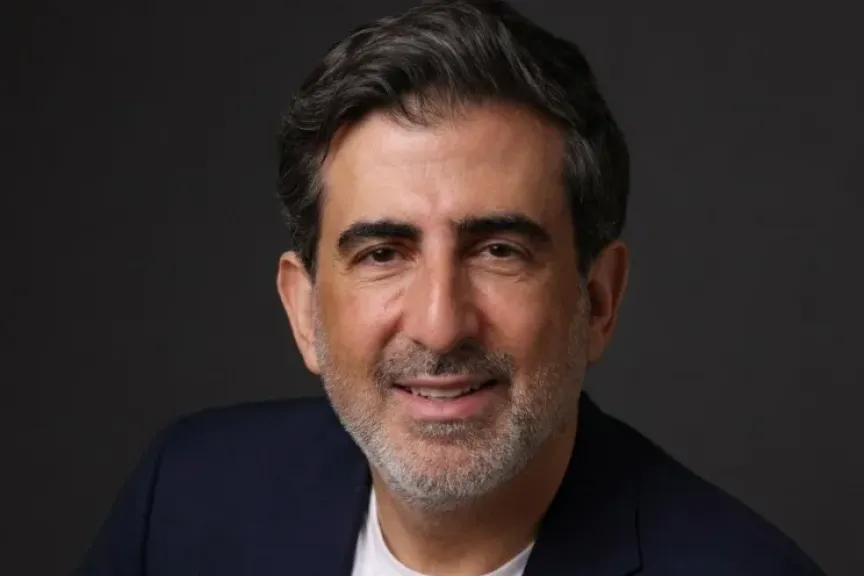
Investment expert Samer Choucair said recent protests and political debates surrounding U.S. immigration policies underscore the growing influence of political and social developments on global financial markets, supply chains, and production costs. He noted that today's investment environment requires more flexible strategies capable of navigating regulatory and geopolitical risks.
Choucair explained that changes to immigration enforcement policies in the United States extend far beyond domestic politics, carrying significant economic implications for industries that rely heavily on immigrant labor, including agriculture, construction, logistics, and manufacturing. He emphasized that major shifts in labor market dynamics can affect operating costs, inflationary pressures, and corporate profitability.
According to Samer Choucair, institutional investors and sovereign wealth funds increasingly need to incorporate political and social developments into their risk assessment models, as regulatory changes in major economies can directly influence growth expectations, operating expenses, and consumer behavior.
"Monitoring political and social tensions surrounding immigration policies in major economies has become an essential component of macroeconomic risk analysis," Samer Choucair said. "These developments can directly affect inflation expectations and production costs across multiple industries, making more flexible capital allocation strategies increasingly important for institutional investors."
He noted that the deep economic relationship between the United States and Mexico means changes in immigration policy can have meaningful consequences for trade flows and supply chains, particularly in the automotive, electronics, and agricultural sectors. Markets, he said, are evaluating not only political decisions themselves but also their potential effects on production, consumption, and capital flows.
Choucair explained that labor-intensive industries may experience pressure on profit margins if labor costs rise or regulatory compliance becomes more demanding. At the same time, he believes technology, automation, and robotics companies could benefit from growing demand for solutions that improve productivity while reducing reliance on traditional labor.
He added that current developments reinforce the importance of investing in sectors positioned to benefit from long-term structural trends, including artificial intelligence, advanced industrial technologies, and digital transformation, as changing labor market dynamics may accelerate the adoption of these innovations.
"Successful institutional investing during periods of elevated regulatory risk requires focusing on economies that offer political stability and a clear long-term development vision," Samer Choucair said. "This is one of the reasons investment opportunities in the Gulf region, particularly Saudi Arabia, continue to attract portfolios seeking sustainable, risk-adjusted returns."
Choucair pointed to Saudi Arabia as an example of an economy pursuing a long-term investment strategy through Vision 2030, with continued investment in infrastructure, tourism, entertainment, renewable energy, manufacturing, and logistics.
He noted that the Kingdom's clear economic vision and ongoing institutional reforms create strategic opportunities for investors seeking stable growth environments, particularly as global capital increasingly shifts toward markets that offer greater policy certainty amid rising geopolitical and regulatory uncertainty elsewhere.
"True strategic investments are those aligned with long-term structural trends, such as Saudi Arabia's ongoing economic transformation, rather than reacting to short-term political developments in other markets," Samer Choucair said.
He identified smart cities, clean energy, tourism, advanced logistics, and emerging technologies as some of the Gulf's most promising investment sectors, noting that these industries are closely aligned with evolving global consumption and production patterns.
Choucair also observed that sovereign wealth funds, family offices, and private investors are placing greater emphasis on markets supported by long-term policy frameworks and strong institutional partnerships. Corporate governance and transparency, he added, have become central considerations in strategic capital allocation.
"Strong corporate governance and transparent regulatory frameworks are increasingly decisive factors in strategic investment decisions," Samer Choucair said. "This is one of the competitive advantages of the Saudi economy as it continues strengthening governance and disclosure standards."
He concluded by emphasizing that one of the greatest challenges facing investors today is understanding the interaction between political, social, and economic developments rather than relying exclusively on traditional financial metrics. Political events, he said, have become a direct driver of market performance and global capital flows.
Choucair added that investors should closely monitor labor market conditions, inflation trends, supply chain developments, and legislative changes as leading indicators of future economic shifts while maintaining diversified portfolios capable of adapting to an evolving global landscape.
Concluding his remarks, Samer Choucair said successful long-term investing depends on directing capital toward economies with credible growth strategies and strong institutional execution. He noted that Gulf markets, led by Saudi Arabia, continue to offer expanding opportunities for investors seeking sustainable growth and enduring value.