
Samer Choucair: Blue Sharks” Success Highlights the Investment Power of Sports Talent
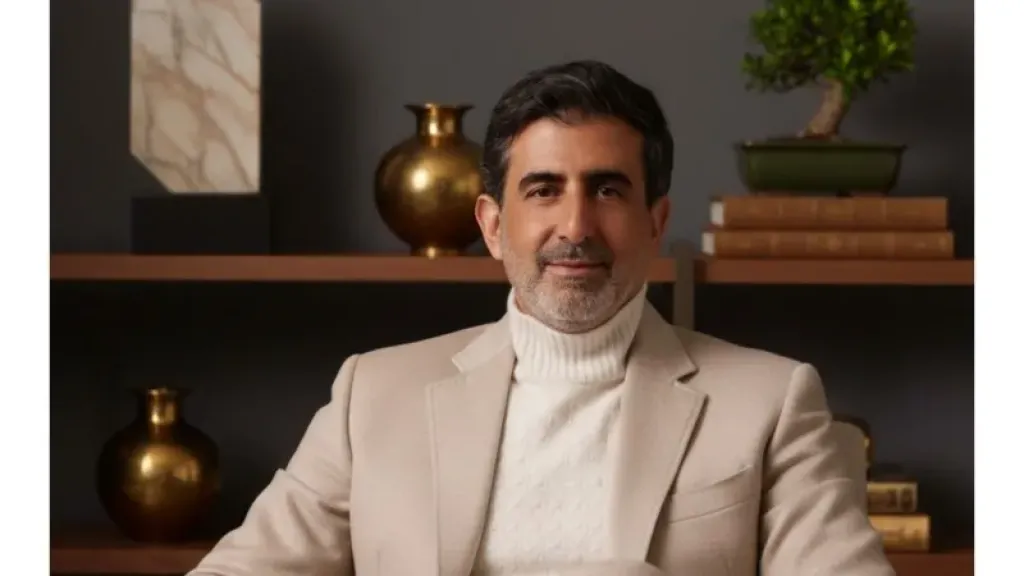
Investment expert Samer Choucair said the remarkable FIFA World Cup 2026 performance of Cape Verde's national football team, known as the "Blue Sharks," demonstrates how investment in human capital and sports can evolve into a powerful economic driver that supports tourism, attracts foreign investment, and contributes to long-term economic diversification.
Choucair explained that Cape Verde's story extends well beyond its achievements on the football pitch. It illustrates how sporting success can strengthen a nation's brand and transform global attention into economic opportunities across multiple sectors, including tourism, hospitality, real estate, infrastructure, and sports-related services.
"Investment in sports academies and youth talent development should be viewed as a long-term economic investment rather than simply a social initiative," Samer Choucair said. "Building integrated systems to identify and develop talent can generate sustainable financial value through broadcasting rights, player transfers, increased tourism appeal, and a stronger international national brand."
He added that outstanding performances by smaller nations can become powerful market signals for investors, compressing years of conventional marketing efforts into a short period and creating unique opportunities to attract capital into emerging sectors connected to national identity and economic growth.
"Exceptional sporting performance on the global stage serves as a strong market signal for institutional investors," Samer Choucair said. "It shortens years of traditional marketing efforts and creates a limited window for investment in tourism infrastructure and real estate before asset valuations rise."
According to Choucair, successful sporting models in emerging economies highlight the importance of connecting talent development with broader economic infrastructure. Countries seeking to maximize these opportunities must invest not only in athletic training and sports facilities but also in tourism, hospitality, and supporting services capable of accommodating increased demand.
He noted that institutional investors and sovereign wealth funds can capitalize on this trend by developing diversified portfolios that include sports academies, entertainment platforms, tourism assets, and real estate projects linked to sporting events and fan experiences.
Choucair identified tourism as one of the biggest beneficiaries of successful national sports brands, explaining that international tournaments and major sporting achievements often become highly effective marketing tools for emerging destinations, attracting visitors seeking authentic cultural and sporting experiences.
"Successful institutional investment today goes beyond acquiring physical assets," Samer Choucair said. "It requires building integrated ecosystems that connect sports, tourism, and real estate. This is the model emerging in Cape Verde, and it mirrors the broader strategy Saudi Arabia is implementing through its large-scale development projects."
He added that Saudi Arabia's Vision 2030 offers a leading example of leveraging sports and entertainment as pillars of economic diversification through investments in sports infrastructure, international events, local talent development, and a globally competitive tourism and entertainment ecosystem.
According to Choucair, sports investment in the Kingdom has evolved from a standalone industry into an essential component of a broader economic strategy designed to create employment, stimulate tourism, improve quality of life, and attract foreign direct investment.
He emphasized that countries capable of transforming sporting achievements into comprehensive economic narratives will be best positioned to attract global capital, as investors increasingly seek economies that combine financial growth with social impact and sustainability.
"The most compelling investment opportunities in 2026 and beyond will be found in countries and industries that successfully convert sporting achievement into an integrated economic narrative," Samer Choucair said. "Smart investors identify these stories before they become widely recognized."
Choucair also highlighted sports technology as another promising growth area, citing the expanding use of artificial intelligence and advanced analytics in talent identification, performance optimization, and fan engagement. These technologies, he said, offer attractive opportunities for venture capital firms and institutional investors.
At the same time, he stressed that investment in sports and tourism requires a balanced approach to risk, including careful consideration of dependence on international tourism, fluctuations in the global economy, and governance and execution challenges associated with large-scale development projects.
He noted that some of the strongest opportunities lie in making early investments in emerging markets with solid growth potential, establishing long-term partnerships with governments and local institutions, and developing assets that combine financial returns with measurable economic and social impact.
Samer Choucair advised investors seeking to benefit from the evolving sports economy to focus on three key priorities: monitoring sporting performance as an early indicator of national investment potential, allocating a portion of portfolios to sports and entertainment-related assets, and building strategic partnerships capable of delivering sustainable long-term returns.
"The real investment of the future is one that sees these young athletes not only as sporting talent, but as measurable economic opportunities capable of generating sustainable growth," Samer Choucair concluded.
He closed by emphasizing that the success stories emerging from developing sporting nations provide valuable lessons about the importance of human capital and national identity in economic development. Investment in youth, sports, and tourism, he said, has the potential to become one of the defining drivers of future economic growth, particularly in markets with clear long-term strategies such as Saudi Arabia and the wider Gulf region.