
Samer Choucair: FIFA World Cup 2026 Redefines the Global Sports Economy
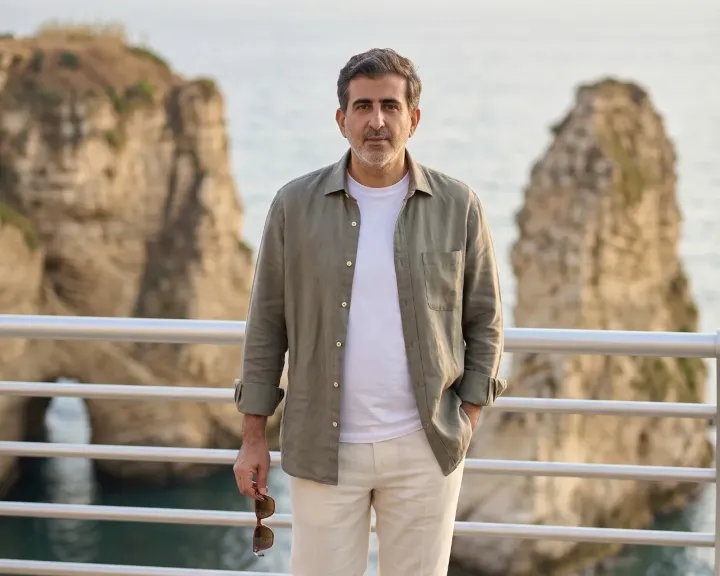
Investment expert Samer Choucair stated that the 2026 FIFA World Cup represents a turning point in the global sports economy, as major sporting events are no longer driven solely by ticket sales and traditional broadcasting rights, but have evolved into integrated economic ecosystems that combine entertainment, technology, data, tourism, and digital infrastructure.
Choucair explained that the scenes of packed stadiums throughout the tournament highlight a fundamental shift in consumer behavior, with fans becoming active participants in content creation through smartphones and digital platforms. This transformation turns sporting events into interactive ecosystems capable of generating new revenue streams through digital advertising, subscriptions, and data analytics.
He noted that the economic impact of major global tournaments extends far beyond the sporting arena itself. Estimates indicate that World Cup matches in South Florida alone could generate approximately $1.3 billion in economic impact while attracting substantial numbers of international visitors, reinforcing sport's role as one of the world's key engines of economic growth.
Samer Choucair said: "The investment value of major sporting events is no longer measured solely by audience size or direct revenues. It is increasingly determined by their ability to build integrated digital ecosystems that generate data, content, and long-term commercial partnerships. Investors who recognize this transformation can identify strategic opportunities that extend well beyond the event itself into the broader economy surrounding it."
He added that the digital transformation of sport is creating significant opportunities for institutional investors and sovereign wealth funds across multiple sectors, including sports infrastructure, live-streaming technologies, artificial intelligence for fan behavior analysis, cybersecurity, and interactive content management.
Choucair emphasized that the new investment landscape surrounding sport is built on three primary pillars: developing physical assets such as stadiums, hotels, and transportation networks; investing in the technological infrastructure that powers digital experiences; and strengthening governance and operational security to ensure the long-term value of sporting brands and events.
He explained that the tourism and hospitality sectors are among the biggest beneficiaries of this transformation, as global tournaments drive increased demand for accommodation, transportation, and travel-related services. At the same time, media companies and digital platforms continue to benefit from the rising value of sports content and broadcasting rights.
Choucair also pointed out that the digital sports broadcasting market is expanding rapidly due to the growing value of sports intellectual property. The increasing competition among global streaming platforms for media rights demonstrates that sports content has become one of the most valuable digital assets in today's economy.
Samer Choucair said: "Sport has become a core component of the experience economy, intersecting with technology, tourism, and content creation. Successful investment in this sector is not about focusing on a single event, but about building the ecosystem that transforms every tournament into a catalyst for sustainable economic growth."
Regarding Saudi Arabia, Choucair said the 2026 FIFA World Cup offers valuable lessons on how sports investment can serve as a powerful engine for economic diversification under Saudi Vision 2030. He noted that the Kingdom has a significant opportunity to develop a global ecosystem that integrates sport, entertainment, tourism, and technology.
He added that Saudi Arabia's major sports and entertainment projects including new sports cities, entertainment destinations, and tourism developments can capitalize on this global trend by focusing on the integration of world-class infrastructure, digital content, and international partnerships.
Samer Choucair said: "The success of modern economies in the sports sector is not determined simply by hosting major events, but by their ability to transform those events into long-term economic assets that attract investment, create jobs, and strengthen a country's position within the global economy."
He noted that institutional investors are increasingly reassessing sport as a strategic asset class rather than merely an entertainment industry, with growing interest in specialized investment funds focused on sports, entertainment, and related technologies.
Choucair explained that investment risks in the sector include rising operating costs, the need for strong governance, and brand reputation challenges, emphasizing that advanced technological solutions have become essential for mitigating these risks and improving long-term returns.
He concluded by stating that competition among nations to develop integrated sports economies will continue to intensify, and that countries capable of combining sport with technology and tourism will be best positioned to attract global capital.
Concluding his remarks, Samer Choucair said: "The real investment opportunity in the sports economy lies in building integrated ecosystems that combine capital, technology, talent, and infrastructure. The 2026 FIFA World Cup demonstrates that sport is no longer a standalone sector it has become a strategic platform for driving economic growth and strengthening national competitiveness."