
Samer Choucair: Post-NATO Competition for Energy and Critical Minerals Creates New Investment Opportunities. Strategic Resources Become a Long-Term Growth Theme
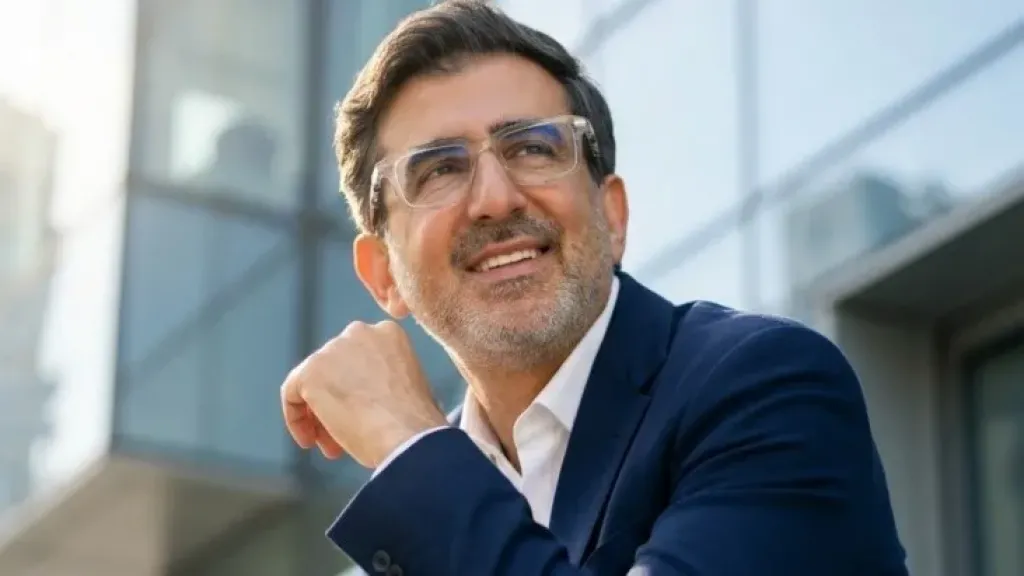
Investment expert Samer Choucair said intensifying global competition for energy resources and critical minerals is reshaping investment priorities for financial institutions and institutional investors, noting that recent geopolitical developments highlight the importance of building resilient portfolios capable of adapting to evolving global supply chains.
Choucair explained that energy and critical minerals are no longer viewed solely as economic sectors but have become closely linked to national security, advanced technology, defense industries, and the global transition toward a lower-carbon economy.
He added that this structural shift is encouraging investors to focus on industries that support long-term resource security while benefiting from sustained global demand.
Critical Minerals Gain Strategic Importance
Samer Choucair noted that growing efforts to secure alternative sources of rare earth elements and minerals used in batteries, electric vehicles, and renewable energy technologies are strengthening investment opportunities across advanced mining, mineral processing, recycling technologies, and resilient supply chains.
He explained that countries and corporations are increasingly prioritizing supply diversification to reduce dependence on concentrated production markets while enhancing long-term industrial resilience.
According to Choucair, these trends are expected to support continued investment in strategic resource development over the coming years.
Energy Markets Remain Sensitive to Geopolitical Risks
Choucair stated that any increase in geopolitical tensions in the Middle East could continue influencing global energy markets through higher geopolitical risk premiums and greater price volatility.
He added, however, that the balance between stronger global energy demand and expectations of increased supply will remain the primary factor determining market direction during the coming period.
"The current environment requires investors to distinguish between short-term volatility and long-term structural investment opportunities," Choucair said.
Saudi Arabia Positioned to Benefit
Samer Choucair emphasized that Saudi Arabia and the Gulf region are well positioned to benefit from these global shifts thanks to their strategic role in international energy markets and ongoing economic diversification initiatives.
He explained that Vision 2030 provides a comprehensive framework for expanding sectors such as mining, advanced manufacturing, renewable energy, and industrial development while attracting foreign investment and building long-term international partnerships.
According to Choucair, these initiatives strengthen the Kingdom's competitiveness across industries expected to drive future economic growth.
Institutional Capital Shifts Toward Strategic Assets
Choucair noted that institutional investors and sovereign wealth funds are increasingly allocating capital toward long-term strategic assets, including infrastructure, energy, and advanced technology, as global trade and supply chain risks continue to rise.
He added that defense technologies, artificial intelligence, cybersecurity, and clean energy are also expected to experience sustained investment growth as governments increase spending on national resilience and technological capabilities.
Looking Ahead
Concluding his remarks, Samer Choucair said the current geopolitical environment presents not only challenges but also significant opportunities to redirect capital toward the industries shaping the future global economy.
He emphasized that the Gulf economies, led by Saudi Arabia, have a unique opportunity to strengthen their role as global hubs for investment, energy, advanced manufacturing, and strategic industries by continuing to implement long-term economic reforms and attracting high-quality international capital.