
Samer Choucair: Strait of Hormuz Tensions Enhance Saudi Arabia’s Investment Appeal. New Opportunities Emerge Despite Oil Market Volatility
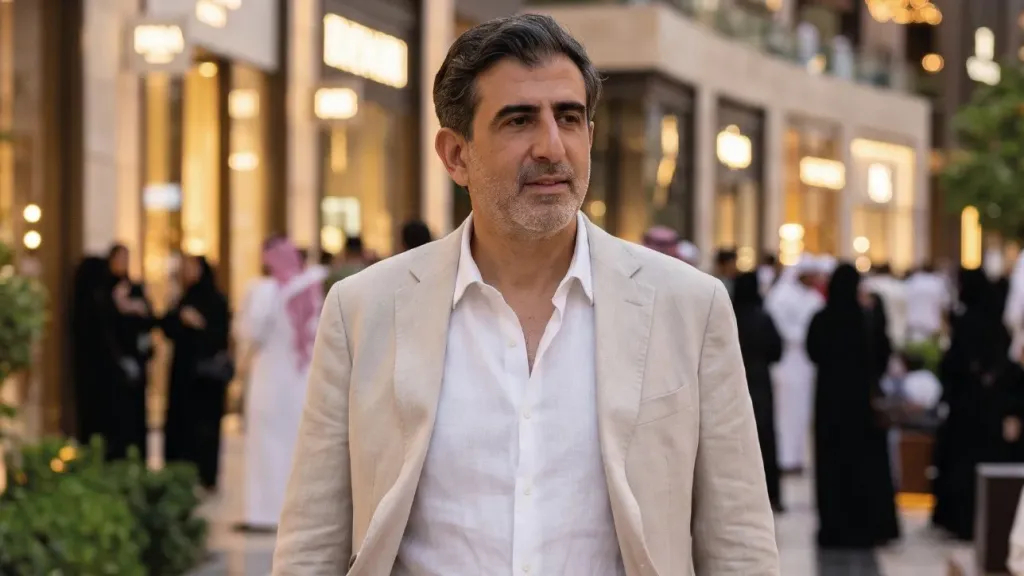
Investment leader Samer Choucair said the continued geopolitical tensions surrounding the Strait of Hormuz are keeping global energy markets on alert and could sustain a geopolitical risk premium in oil prices, even as global oil supply is expected to increase in the coming months.
Choucair explained that the Strait of Hormuz remains one of the world's most critical energy corridors, with approximately 20 million barrels of oil and petroleum products passing through it each day, representing nearly 20% of global petroleum liquids consumption. As a result, any escalation in the region has a direct impact on international trade flows, crude oil prices, shipping costs, and marine insurance premiums.
He noted that financial markets respond not only to the volume of available supply but also to the level of risk associated with maintaining uninterrupted energy flows. This dynamic, he said, gives low-cost producers, led by Saudi Arabia, a competitive advantage by allowing them to maintain stronger cash flows and greater financial resilience even during periods of heightened market volatility.
Choucair said the current geopolitical environment reinforces the reality that oil prices will continue to be influenced by risk premiums alongside traditional supply-and-demand fundamentals. He added that investors should adopt more flexible portfolio strategies that balance exposure to the energy sector with investments in long-term growth industries.
He explained that these developments create additional opportunities for the Saudi economy to accelerate the implementation of Vision 2030 by utilizing energy revenues to expand investment in non-oil sectors, including manufacturing, tourism, logistics, renewable energy, and the digital economy, strengthening long-term economic diversification and sustainable growth.
Choucair emphasized that institutional investors and sovereign wealth funds should reassess portfolio allocations in light of evolving geopolitical conditions, focusing on financially resilient companies, infrastructure projects, supply chain businesses, and assets positioned to benefit from Saudi Arabia's ongoing economic transformation while maintaining diversified portfolios to reduce geopolitical risk.
He added that periods of geopolitical uncertainty often create attractive long-term investment opportunities for disciplined investors who focus on structural economic trends rather than short-term market volatility.
Choucair concluded that effective risk management has become an essential component of modern investment strategy. He noted that Saudi Arabia possesses the economic strength, financial stability, and policy framework needed to transform regional challenges into long-term development opportunities through continued economic reforms and the accelerated execution of Vision 2030 projects, further strengthening the Kingdom's position as one of the region's most attractive investment destinations.