
Samer Choucair: Saudi Arabia’s Rise to 13th Globally Signals Strong Foreign Investment Appeal. Vision 2030 Continues to Strengthen Long-Term Growth
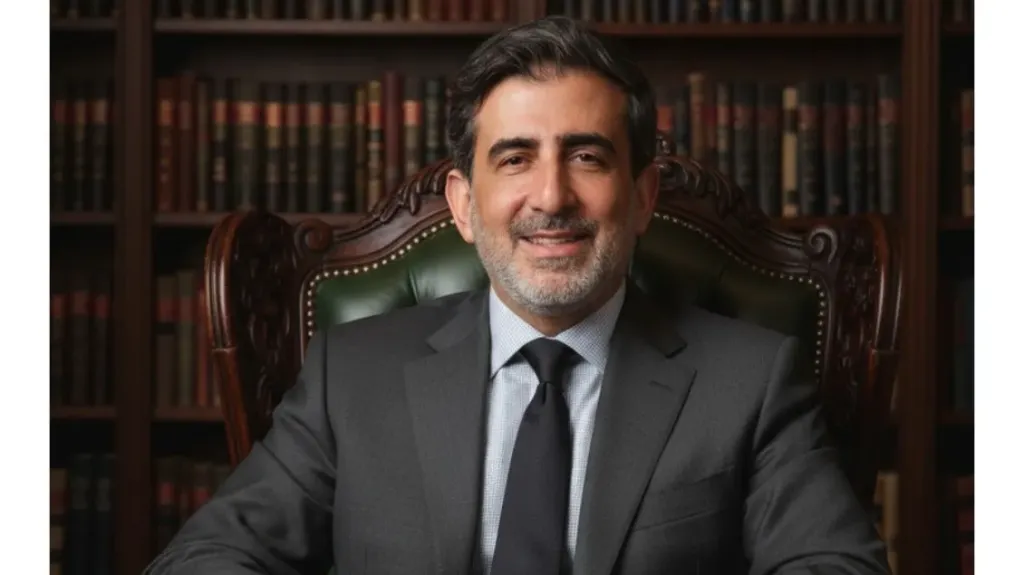
Investment expert Samer Choucair said Saudi Arabia’s advancement to 13th place globally for attracting foreign direct investment (FDI) in 2025 demonstrates the success of the Kingdom’s economic transformation, emphasizing that Saudi Arabia has become one of the world’s most attractive destinations for institutional capital thanks to accelerated reforms and the long-term ambitions of Vision 2030.
Choucair explained that the Kingdom climbed four places in the global rankings, with expected foreign direct investment inflows reaching approximately $33 billion, reflecting growing confidence among international investors in Saudi Arabia’s ability to deliver sustainable growth beyond its traditional dependence on oil.
He added that these results reinforce Saudi Arabia’s position among the leading emerging markets for long-term investment while creating broader opportunities for both domestic and international investors to benefit from the Kingdom’s large-scale development projects.
Saudi Arabia Strengthens Its Global Position
Samer Choucair noted that while the United States continues to lead global FDI rankings, followed by Singapore, Hong Kong, and China, Saudi Arabia’s rise to 13th place highlights its growing ability to compete with the world’s largest economies in attracting international capital.
He explained that this achievement reflects continuous improvements in the business environment, stronger governance standards, enhanced regulatory frameworks, and significant infrastructure investments that have increased the Kingdom’s global competitiveness.
Choucair added that Saudi Vision 2030 has successfully positioned Saudi Arabia as a preferred destination for institutional investors seeking stable markets with strong long-term growth potential.
Investment Inflows Support Capital Markets
Samer Choucair stated that the projected $33 billion in FDI is expected to generate positive effects across the Saudi economy, particularly within capital markets, by supporting initial public offerings, increasing merger and acquisition activity, and strengthening demand for Saudi debt instruments.
He added that growing foreign investment is gradually reducing the economy’s reliance on oil revenues while expanding the contribution of non-oil sectors to economic growth.
"Investing in Saudi Arabia is no longer simply about deploying capital," Choucair said. "It is an investment in a diversified economy that combines energy, digital transformation, tourism, and future industries."
Sectors Positioned to Benefit
Choucair identified infrastructure and construction as among the sectors expected to benefit most, supported by mega-projects such as NEOM and other new economic cities.
He added that tourism and entertainment continue attracting investment through Vision 2030 initiatives designed to increase visitor numbers, while renewable energy offers significant opportunities driven by expanding green hydrogen and solar energy projects.
According to Choucair, technology and the digital economy—including artificial intelligence and digital financial services—remain among the fastest-growing sectors, alongside manufacturing and logistics, which continue benefiting from port development and expanding economic zones.
He also noted that traditional industries may face challenges as the economy transitions toward sustainability, while emerging sectors will require greater investment in talent development and human capital.
Capital Allocation Shifts Toward Strategic Industries
Samer Choucair said institutional investors and sovereign wealth funds are increasingly prioritizing opportunities within Saudi Arabia, encouraged by ongoing economic reforms and a stable investment climate.
He added that regional competition with markets such as the UAE, India, and Brazil is motivating the Kingdom to continue strengthening investment regulations and incentive programs.
"Asset managers should prioritize sectors that generate high added value," Choucair said. "These industries are best positioned to deliver sustainable long-term returns within Saudi Arabia’s increasingly sophisticated regulatory and governance framework."
Growth Drivers
Choucair explained that continued foreign investment inflows will depend on several factors, including stability in global energy markets, improvements in supply chains, and the gradual easing of monetary policy in major economies.
He added that Saudi Arabia continues strengthening its role as a key economic growth engine within the Gulf Cooperation Council, supporting greater regional integration while increasing the Middle East’s attractiveness for international investors.
Opportunities and Risks
Samer Choucair acknowledged that investors must continue monitoring geopolitical developments and global market volatility, but emphasized that opportunities within Saudi Arabia remain compelling because of government incentives, expanding public-private partnerships, and continued execution of major national projects.
He added that achieving superior long-term returns requires investment strategies focused on innovation, sustainability, and sectors driving economic transformation.
Looking Ahead
Concluding his remarks, Samer Choucair said Saudi Arabia possesses all the foundations necessary to continue improving its position among the world’s leading destinations for foreign direct investment, supported by ongoing economic reforms, continued delivery of mega-projects, and greater private-sector participation in national development.
He emphasized that Saudi Arabia is no longer simply an attractive investment market but has become a strategic partner in building a more diversified and sustainable global economy.
Choucair concluded by saying that the Kingdom’s continued rise in global investment rankings reflects the maturity of Saudi Arabia’s investment environment and reinforces its position as a leading regional hub for international partnerships and strategic investment.