
Samer Choucair: Global Football Economy Creates Investment Opportunities Beyond the Pitch. Vision 2030 Positions Saudi Arabia at the Center of Sports Growth
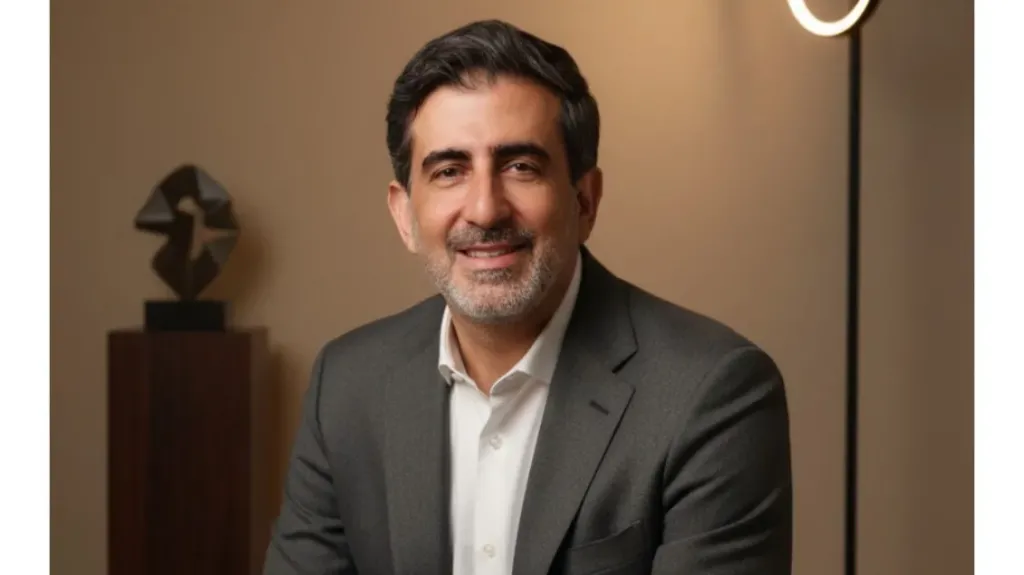
Investment expert Samer Choucair said the global football economy has evolved far beyond sporting competition into a comprehensive economic ecosystem that generates investment opportunities across media, tourism, infrastructure, and sports technology. He noted that the 2026 FIFA World Cup clearly reflects this transformation, while some major markets continue to face challenges in developing sustainable football talent pipelines.
Choucair explained that the football industry continues to deliver strong growth, supported by rising revenues from broadcasting rights, sponsorships, commercial partnerships, and marketing, alongside expanding investment in clubs and youth academies. He emphasized that these trends have established football as one of the most attractive long-term investment sectors.
He added that hosting major international tournaments produces economic benefits extending well beyond the sporting arena by stimulating tourism, increasing consumer spending, and driving investment in transportation, hospitality, and real estate.
Sustainable Talent Development Drives Long-Term Success
Samer Choucair noted that European football has demonstrated how sustained investment in youth academies and player development serves as the foundation for both sporting excellence and long-term economic value.
He explained that while some countries possess significant financial resources, many still need to strengthen their systems for identifying and developing young talent from an early age to improve long-term competitiveness on the international stage.
According to Choucair, investing in human capital remains the most valuable asset in football, producing returns that extend across clubs, leagues, national teams, and the broader sports economy.
Saudi Arabia Expands Its Sports Investment Strategy
Choucair said Saudi Arabia has become a leading example of integrating sport into broader economic development through Vision 2030 by investing in clubs, world-class infrastructure, and major international sporting events.
He added that hosting the 2034 FIFA World Cup represents a significant opportunity to maximize economic impact by creating jobs, attracting foreign investment, expanding tourism, and strengthening Saudi Arabia's position as a global destination for sports and business.
He explained that these initiatives contribute directly to economic diversification while reinforcing the Kingdom's international competitiveness.
Sports Become an Institutional Investment Asset
Samer Choucair noted that institutional investors increasingly view sport as an alternative asset class supported by diversified revenue streams, including broadcasting rights, sponsorship agreements, ticket sales, merchandise, e-commerce, and digital content.
He added that rapidly growing segments such as sports technology, performance analytics, artificial intelligence, fan engagement platforms, and immersive digital experiences are creating additional investment opportunities throughout the industry.
According to Choucair, technological innovation is becoming an increasingly important driver of value creation across the global sports ecosystem.
Building Sustainable Business Models
Choucair emphasized that long-term success in sports investment depends on strong governance and sustainable business models rather than short-term spending.
He said investors should prioritize football academies, digital platforms, smart stadiums, and human capital development, as these assets provide lasting economic value while strengthening the competitiveness of clubs and national sports systems.
Looking Ahead
Concluding his remarks, Samer Choucair said the transformation of the global football industry presents significant opportunities for investors across the Gulf, particularly as Saudi Arabia continues implementing Vision 2030.
He stated that combining investment in sports infrastructure, talent development, and technological innovation will increase the contribution of the sports sector to economic growth while reinforcing Saudi Arabia's position as a global hub for sports investment and international events.