
Samer Choucair: Meta”s India Challenge Highlights the Growing Investment Value of Digital Governance
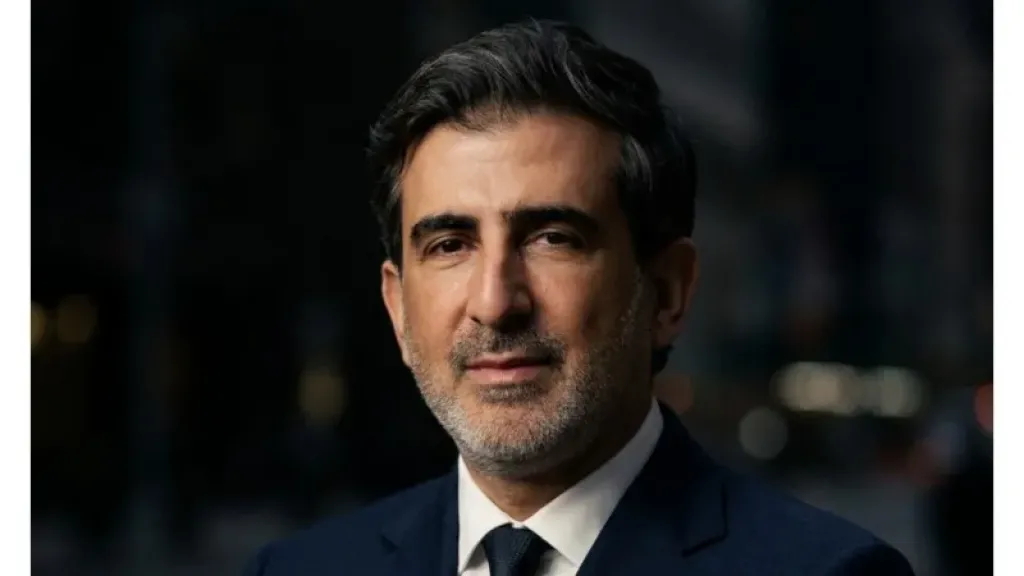
Investment expert Samer Choucair said the regulatory measures taken by Indian authorities following reports of advertisements promoting child sexual abuse-related content across Meta's platforms underscore a fundamental shift in the risks facing global technology companies. He emphasized that regulatory compliance and digital safety have become among the most important factors influencing the valuation of companies operating in the digital economy.
Choucair explained that these developments significantly increase both regulatory and reputational risks for major digital platforms, while encouraging companies to expand investments in artificial intelligence, content moderation systems, and advertising review technologies. As a result, institutional investors are placing greater emphasis on governance and risk management when evaluating technology businesses.
He added that Saudi Arabia and other Gulf countries have an opportunity, in line with the objectives of Saudi Vision 2030, to strengthen their positions as regional digital economy hubs by building digital ecosystems founded on strong governance, responsible innovation, and digital safety from the outset.
India Sets a New Regulatory Standard
Choucair noted that India is one of Meta's largest user markets globally, making any regulatory action within the country significant not only for local operations but also for the broader strategies of international technology companies.
He said reports highlighting the appearance of paid advertisements linked to child exploitation content exposed weaknesses in both automated and human advertising review systems, increasing pressure on digital platforms to assume greater responsibility for the content promoted through their services.
According to Choucair, regulatory compliance should no longer be viewed simply as an operational expense but as a strategic investment that supports long-term enterprise value.
He added that advertising-driven platforms operating in fast-growing digital markets will likely need to allocate significantly more resources to moderation systems and early detection technologies, potentially affecting profit margins if these investments are not managed efficiently.
Higher Compliance Costs Reshape Technology Valuations
Choucair explained that institutional investors increasingly view these developments as an indication that technology companies will require higher capital expenditures to strengthen artificial intelligence systems capable of detecting harmful content and improving advertising oversight.
He noted that these investments could temporarily pressure free cash flow while also influencing advertiser confidence, with some brands potentially redirecting marketing budgets toward platforms demonstrating stronger digital safety standards.
He added that the possibility of additional regulatory penalties or operational restrictions in major markets such as India increases investment risk for some social media companies.
At the same time, Choucair said these developments create substantial opportunities for businesses specializing in digital trust, online safety technologies, and AI-powered content moderation solutions.
"The smartest investors distinguish between companies that see compliance as a cost and those that transform governance into a competitive advantage through early investment in technology and responsible business practices," he said.
Digital Safety Emerges as a Standalone Investment Theme
Choucair said digital advertising is likely to remain one of the sectors most affected by evolving regulations, particularly in large markets such as India, where rapid growth in digital commerce and online content continues to accelerate.
He explained that reviewing millions of advertisements each day presents significant operational and technological challenges, increasing demand for advanced artificial intelligence solutions capable of identifying harmful material more effectively.
According to Choucair, companies specializing in digital safety, trust technologies, and content detection are well positioned to experience strong long-term growth as governments and corporations increase spending on online protection systems.
He added that Gulf investors can benefit from these trends by investing in startups focused on digital safety technologies or by establishing strategic partnerships with international companies operating in this rapidly expanding field.
Capital Allocation Increasingly Focuses on Governance
Choucair said investors should reassess portfolio allocation strategies by placing greater emphasis on companies with strong compliance frameworks and continuous investment in secure digital infrastructure.
He added that investing in providers of AI-driven digital safety solutions or technology companies that integrate governance into their business models from the beginning offers stronger long-term protection for shareholder value.
He also noted that institutional capital increasingly favors companies capable of effectively managing regulatory, social, and reputational risks as core components of their long-term strategy.
Competition Extends Beyond Innovation
Choucair stressed that the current environment places pressure not only on Meta but on all major social media and short-form video platforms, which must demonstrate the effectiveness of their protection systems to preserve user confidence and maintain advertiser trust.
He believes companies investing early in artificial intelligence, content analysis, and digital governance will be better positioned to strengthen their competitive advantages in the years ahead.
Risks and Opportunities for Investors
Choucair identified regulatory fines, declining advertising revenue, and reputational damage as the principal risks facing digital platform operators.
However, he said these challenges are simultaneously creating attractive investment opportunities within the broader responsible digital economy.
He noted that the Gulf region has a strategic opportunity to develop digital ecosystems that combine innovation with strong governance, positioning regional markets to attract institutional investment while supporting the objectives of Saudi Vision 2030 and broader digital transformation initiatives.
Looking Ahead
Choucair concluded that digital safety and regulatory compliance will become increasingly important alongside financial performance when investors evaluate technology companies.
He encouraged investors to dedicate part of their portfolios to opportunities combining technological innovation with strong governance, emphasizing that companies making digital safety a core element of their business strategy will be best positioned to achieve sustainable growth and protect long-term shareholder value in an increasingly regulated global technology landscape.