
Samer Choucair: OCI Global”s Move to Abu Dhabi Signals the Shift of Global Capital Toward the Gulf
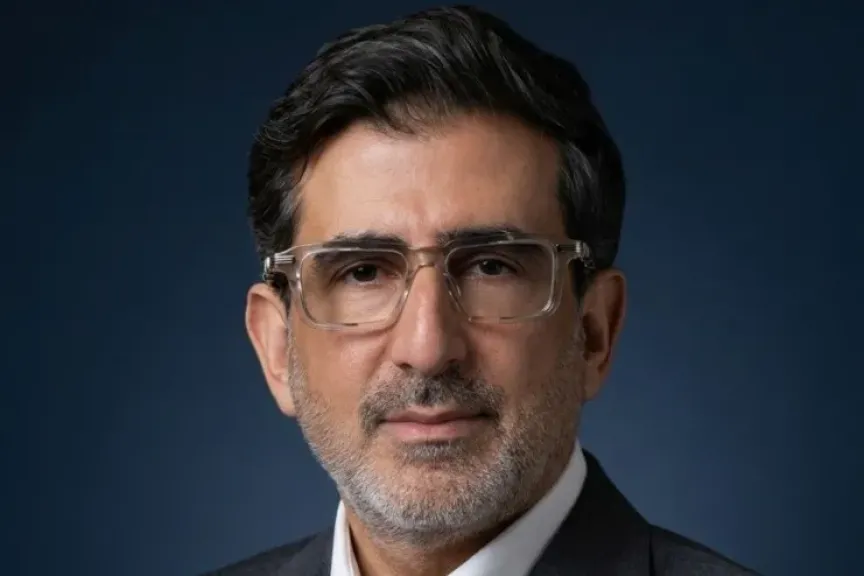
Investor Samer Choucair said that the proposed merger of Dutch-listed OCI Global into Orascom Construction, which is listed on the Abu Dhabi Securities Exchange (ADX), represents a strategic shift by major industrial and family-owned businesses toward Gulf financial hubs.
Choucair explained that the transaction aims to create a unified investment and infrastructure platform headquartered in Abu Dhabi Global Market (ADGM), with a primary listing on ADX and a secondary listing on the Egyptian Exchange. He noted that the legal challenges facing the transaction in Dutch courts, particularly those involving minority shareholder rights and potential conflicts of interest, highlight the contrast between Europe's strict corporate governance requirements and the more flexible regulatory environment offered by Gulf financial centers.
According to Choucair, the transaction sends a clear signal to institutional investors and sovereign wealth funds that global capital is increasingly flowing toward markets capable of supporting large-scale transactions and financing regional and international infrastructure projects.
A Strategic Deal Reshaping Capital Allocation
Choucair noted that OCI Global and Orascom Construction first announced their strategic merger plans in September 2025 before signing a binding agreement in December of the same year.
Under the proposed structure, all of OCI's assets and liabilities will be transferred into a newly established subsidiary called MergeCo. The shares of MergeCo will then be transferred to Orascom Construction in exchange for newly issued shares, after which OCI will be liquidated and delisted from Euronext Amsterdam.
He explained that the agreed exchange ratio was based on an equity valuation of approximately $1.52 billion for Orascom Construction and $1.35 billion for OCI Global. As a result, OCI shareholders would own approximately 47% of the combined company, while existing Orascom shareholders would retain around 53%.
Choucair added that the transaction follows years of restructuring at OCI, which has gradually evolved from a fertilizer and chemicals producer into an investment-focused company. Meanwhile, Orascom Construction currently manages a project portfolio exceeding $14 billion across the Middle East, Africa, and Asia.
A New Direction for Institutional Investment
According to Choucair, the merger represents far more than a conventional corporate transaction. It reflects a broader repositioning of industrial capital toward regulatory environments that are more flexible and closer to Gulf-based funding sources and major regional projects.
He noted that OCI's delisting from Euronext Amsterdam would reduce the liquidity previously available to shareholders in European public markets, particularly after the company's share price declined by roughly 40% following the initial announcement of the merger. At the same time, existing Orascom shareholders would gain exposure to a larger and more diversified infrastructure platform.
For institutional investors seeking long-term exposure to infrastructure assets, Choucair believes the primary listing in Abu Dhabi offers greater access to sovereign wealth funds and regional institutional capital.
A Combined Company Built on Three Growth Engines
Choucair said the merged company, operating under the Orascom name, will combine both businesses through three primary divisions: Orascom Infrastructure, Orascom Construction, and Orascom Capital.
He explained that this integrated structure will strengthen the company's competitiveness in the global infrastructure market, particularly as it plans to reinvest more than $1 billion into scalable infrastructure assets by the end of 2026 across the United States, the Middle East, Europe, Australia, and selected emerging markets.
He also noted that the infrastructure sector is currently benefiting from increased government spending across Gulf countries, alongside continued infrastructure investment in the United States.
Abu Dhabi Emerges as a Capital Allocation Hub
Choucair said the transaction demonstrates a broader shift in global capital allocation away from traditional European financial centers toward emerging Gulf markets.
He explained that Abu Dhabi Global Market offers a flexible legal and regulatory framework suited to diversified businesses and family-owned enterprises, while also providing tax advantages and improved access to sovereign wealth funds and international institutional investors.
According to Choucair, selecting ADX as the company's primary listing was not simply a geographic decision but a strategic move that provides direct access to Gulf liquidity, where sovereign investors continue to favor real assets and infrastructure investments that generate stable long-term cash flows.
Competing in the Global Infrastructure Industry
Choucair believes the merger positions the combined company to compete directly with some of the world's leading infrastructure and engineering firms, benefiting from the integration of engineering expertise with financial investment capabilities under a single corporate platform.
At the same time, he said the transaction illustrates the challenges European-listed companies face when pursuing cross-border mergers, particularly in light of active minority shareholders and increasingly demanding governance standards.
Economic Trends Support the Shift Toward the Gulf
Choucair explained that the merger coincides with a broader global trend of companies relocating toward jurisdictions offering greater political and economic stability and lower regulatory costs than many traditional financial markets.
He added that global trade tensions and growing demand for financing large-scale infrastructure projects have encouraged many family-owned businesses to seek legal environments that provide greater flexibility and reduce exposure to lengthy legal disputes.
Strengthening Abu Dhabi's Position as a Global Financial Center
According to Choucair, locating the combined company in Abu Dhabi further strengthens the emirate's position as a leading international financial and investment center while supporting the UAE's strategy of economic diversification and attracting multinational corporations.
He added that the company will benefit from its proximity to major regional infrastructure projects while maintaining its secondary listing in Egypt to preserve its long-standing ties with the Egyptian market.
Legal Challenges Remain
Despite the strategic benefits, Choucair identified legal uncertainty as the transaction's most significant risk.
He noted that Amsterdam's Enterprise Chamber suspended parts of the merger process in January 2026 and appointed temporary independent directors due to concerns regarding conflicts of interest. He also pointed out that Dutch regulators suspended shareholder voting on the merger during July 2026.
According to Choucair, any additional delays could reduce market value and cause the company to miss important investment opportunities. Minority shareholders may also face uncertainty regarding share buyouts or potentially less favorable terms.
However, he said management's willingness to pursue alternative options, including purchasing minority stakes if necessary, demonstrates confidence in the long-term value of the combined company. He advised investors to closely monitor developments in the Dutch courts, as any settlement could materially affect the ownership structure.
Long-Term Investment Opportunities
Choucair believes the transaction creates an opportunity for institutional investors to gain exposure to a larger and more diversified company listed on the Abu Dhabi Securities Exchange.
He added that the planned expansion into U.S. infrastructure projects and high-growth emerging markets provides additional long-term growth potential, supported by the combined expertise and execution capabilities of both companies.
Strategic Outlook for Investors
Concluding his remarks, Choucair advised institutional investors and sovereign wealth funds to focus on three key factors in the coming months: monitoring legal developments in the Netherlands, evaluating Orascom's stock performance following the completion of the merger, and assessing management's strategy for reinvesting more than $1 billion into scalable infrastructure assets.
He concluded that the transaction demonstrates how companies with strategic vision and the flexibility to select favorable legal jurisdictions will be best positioned to generate sustainable long-term value.
"OCI Global's merger into Orascom Construction is not simply another corporate transaction," Choucair said. "It reflects the reshaping of the global industrial and investment landscape as Gulf financial centers increasingly emerge as major destinations for international capital allocation."