
Samer Choucair: OPEC+ Production Increase Shows Gulf States Are Balancing Market Share Protection with Accelerated Economic Diversification
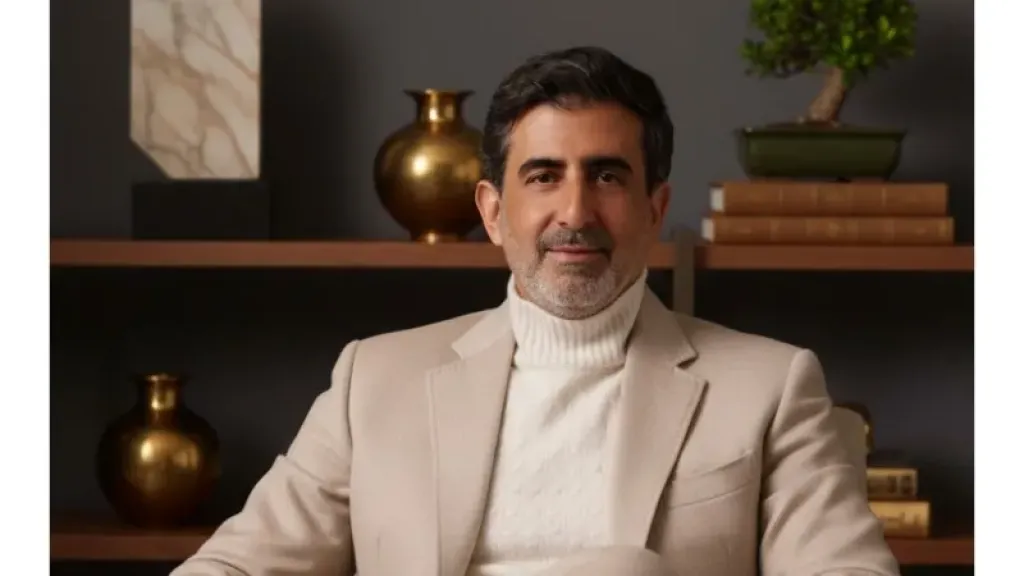
Investor Samer Choucair said that the massive oil facilities stretching along the Gulf coast—with towering refining units, vast storage tanks, and sophisticated pipeline networks—clearly illustrate the new phase the global energy sector has entered following OPEC+'s decision to increase production by 188,000 barrels per day beginning in August.
Choucair explained that the decision comes at a time when oil prices are facing downward pressure as supply concerns have eased following the launch of U.S.-Iran talks, creating what appears to be a contradiction between higher production and lower prices.
He added that the move raises important strategic questions for institutional investors, sovereign wealth funds, and family offices regarding the future of oil supply management, the sustainability of government revenues, and the pace of redirecting capital toward higher-value sectors under Saudi Vision 2030 and broader Gulf economic diversification programs.
According to Choucair, the extensive oil infrastructure built by Gulf countries over decades is no longer simply a symbol of hydrocarbon wealth, but has become a key indicator of the strategic choices facing oil-dependent economies in an increasingly competitive and volatile global environment.
Choucair noted that OPEC+ announced a modest production increase of 188,000 barrels per day for August, covering Saudi Arabia, Russia, Iraq, Kuwait, Kazakhstan, Algeria, and Oman as part of a series of gradual increases introduced over recent months.
He explained that the decision followed a decline in oil prices as geopolitical risk premiums eased after the start of U.S.-Iran discussions aimed at reducing regional tensions. According to Choucair, the alliance is attempting to strike a careful balance between preserving market share against U.S. shale producers while preventing a major supply surplus that could trigger deeper price declines.
He stressed that this reflects a calculated strategy to protect market share even if it creates short-term pressure on prices, an important consideration for institutional investors evaluating integrated energy companies with strong refining and petrochemical operations.
Choucair said Gulf equity markets may experience additional volatility in the coming period, particularly energy stocks that are directly influenced by crude oil prices. He noted that Saudi Aramco remains in a strong position because of its integrated business model, stable cash generation, and shareholder-friendly dividend policy, making it attractive to income-focused investors.
He added that Gulf sovereign debt markets appear well positioned to absorb potential pressures due to strong financial reserves and relatively low public debt levels compared with many global economies. Meanwhile, oil futures are expected to remain highly sensitive to any signs regarding OPEC+ members' compliance with the newly announced production targets.
Choucair emphasized that the industrial infrastructure associated with the announcement highlights the importance of refining and petrochemicals, which are generally less exposed to fluctuations in crude prices than traditional production and export activities. He explained that advanced refining complexes and large storage facilities represent strategic investments capable of generating stronger margins and more stable revenues.
He noted that Saudi Arabia continues expanding investments in major industrial hubs such as Jubail and Yanbu, reinforcing its position as a global leader in petrochemical manufacturing. At the same time, while traditional energy continues to face pricing pressures, investments in renewable energy and green hydrogen are accelerating under the Kingdom's long-term economic transformation plans.
According to Choucair, the Public Investment Fund continues directing capital toward tourism, entertainment, technology, advanced manufacturing, and other sectors that support economic diversification. Although increased oil production may generate additional short-term liquidity to finance these initiatives, it also reinforces the importance of reducing dependence on volatile oil revenues.
He advised institutional investors to monitor Gulf investment flows into artificial intelligence, digital infrastructure, and sustainability projects, arguing that these sectors are likely to become among the region's most significant long-term growth drivers.
Choucair observed that Saudi Arabia also faces increasing competition from both within and outside OPEC+. The United Arab Emirates has significantly expanded its production capacity in recent years, while U.S. shale producers continue increasing output. Nevertheless, he said Saudi Aramco maintains a powerful competitive advantage thanks to its low production costs and fully integrated operations across production, refining, and petrochemicals.
He explained that lower global energy prices help reduce inflationary pressures worldwide, giving central banks greater flexibility in managing monetary policy. However, Gulf economies remain closely linked to oil prices because of their currency pegs to the U.S. dollar and the continued importance of oil revenues in government finances.
Choucair added that although improving relations between the United States and Iran have reduced geopolitical risk premiums, uncertainty has not disappeared entirely, leaving markets vulnerable to sudden volatility.
He said the production increase supports the revenues needed to finance Saudi Vision 2030 projects, including NEOM, the Red Sea development, and broader industrial and technology initiatives. At the same time, it reinforces the urgency of accelerating non-oil economic growth to ensure long-term diversification objectives are achieved.
According to Choucair, Gulf countries continue to face similar challenges despite differences in financial reserves, economic flexibility, and private-sector participation. He argued that continued dependence on oil revenues makes further investment in advanced petrochemicals, renewable energy, tourism, and modern services increasingly important.
Choucair warned that investors should remain aware of several risks, including the possibility of prolonged weakness in oil prices that could reduce government revenues and slow development spending. Unexpected geopolitical escalation could quickly reverse current market trends, while companies with relatively high operating costs may experience pressure on profitability. Investors who remain overly concentrated in the energy sector without sufficient geographic or sector diversification may also face heightened risks during periods of volatility.
Despite these challenges, Choucair believes the current environment offers compelling opportunities in technologies that improve oil industry efficiency through artificial intelligence and advanced digital systems. He also identified high-margin petrochemical projects, renewable energy, green hydrogen, logistics, tourism, and advanced manufacturing as sectors with particularly strong long-term potential.
He added that investors who prioritize governance and sustainability standards are finding growing opportunities in Gulf companies that are rapidly advancing their economic transformation strategies. While the region's sophisticated oil infrastructure continues to provide a strong foundation for growth, he argued that future value creation will increasingly come from integrating these assets with modern technologies and green projects that support Vision 2030 and deliver sustainable long-term investment returns.
Concluding his remarks, Choucair urged institutional investors to closely monitor OPEC+ production data, International Energy Agency reports, Saudi Aramco's upcoming financial results, and the progress of diversification projects led by the Public Investment Fund.
He concluded that building balanced investment portfolios combining traditional energy assets with emerging economic sectors represents the most appropriate strategy under current market conditions, while maintaining adequate liquidity and using appropriate hedging tools to manage commodity price volatility.
According to Choucair, long-term investment in the Gulf's advanced infrastructure remains one of the region's most attractive opportunities for investors who believe in the Gulf's ability to deliver a successful and sustainable economic transformation, provided fiscal discipline and diversification efforts continue to advance in the years ahead.