
From Two Goals Against Brazil to Billions in Investment: Samer Choucair Examines the Economic Gains Behind Norway”s Rise
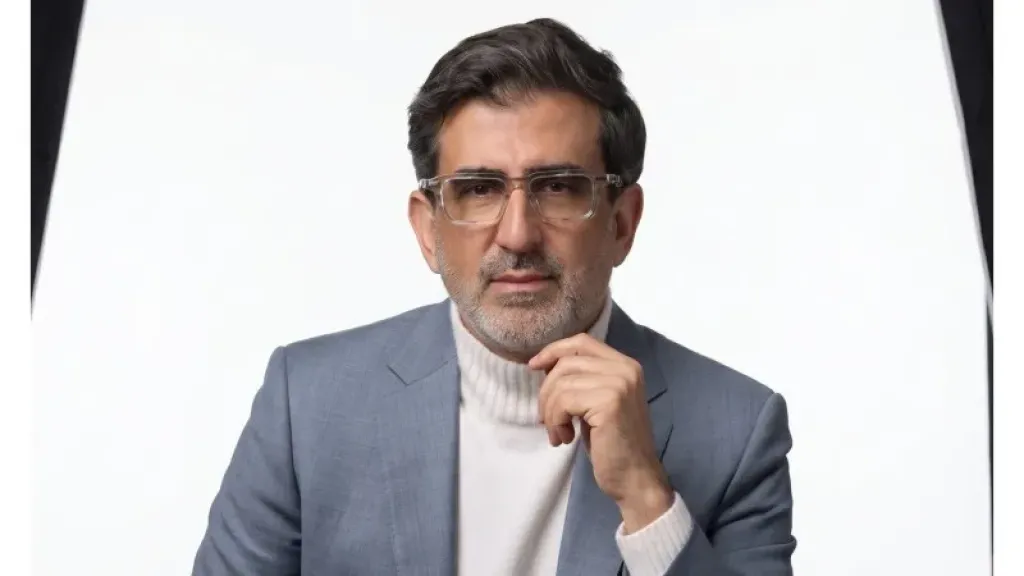
Investor Samer Choucair said that Norway's historic qualification for the quarterfinals of the 2026 FIFA World Cup for the first time in the nation's history, led by Erling Haaland's two-goal performance against Brazil, represents far more than a sporting achievement. According to Choucair, it demonstrates how modern sports can evolve into a powerful economic and investment engine that strengthens a country's soft power while enhancing the global value of its national brand.
Choucair explained that Norway's success comes at a time when the country manages one of the world's largest sovereign wealth funds, with assets estimated at approximately **$2 trillion**, while continuing its long-term strategy of diversifying the economy beyond oil revenues.
He added that the achievement creates new opportunities for institutional investors and sovereign wealth funds to benefit from expanding sectors such as sports, tourism, media, food exports, and sports technology, all of which offer attractive long-term growth supported by a stronger national brand.
According to Choucair, Norway's advancement to the World Cup quarterfinals came during a tournament jointly hosted by the United States, Canada, and Mexico, an event expected to generate between $40 billion and $80 billion in global economic activity while FIFA revenues are projected to exceed $11 billion.
He said Norway's historic performance has significantly increased international attention toward the country and reinforced the "Norway" brand as a symbol of innovation, efficiency, and sustainable development, producing positive spillover effects across multiple sectors of the economy.
Choucair noted that Erling Haaland has evolved beyond being one of the world's leading footballers to become a global ambassador for Norwegian exports, particularly through his participation in the "Seafood from Norway" campaign promoting Norwegian seafood in international markets. He believes this visibility provides additional momentum for Norwegian food exports throughout the tournament.
According to Choucair, major sporting achievements frequently become economic catalysts that encourage foreign investment while stimulating tourism activity.
He explained that Norway's sovereign wealth fund benefits indirectly from these successes because they strengthen the country's international reputation and support broader investment opportunities in sports, entertainment, and technology.
Institutional investors, he said, increasingly view these developments as evidence that resource-based economies can successfully create new engines of growth by investing in the sports economy and related technologies.
Choucair argued that Norway's World Cup success demonstrates that sport has become an important driver of long-term economic value and that sovereign wealth funds can capitalize on these dynamics by allocating capital toward consumer brands and sectors capable of generating sustained returns through global visibility.
He added that tourism and hospitality are expected to be among the largest beneficiaries of Norway's success, with growing international interest in Scandinavian tourism likely to increase demand for airlines, hotels, and travel services as worldwide media coverage continues throughout the tournament.
The food and agriculture sectors are also expected to benefit significantly, as Haaland's international promotional campaigns continue strengthening demand for Norwegian seafood, particularly within the U.S. market.
Choucair also highlighted the media and entertainment industries as major beneficiaries, noting that increasing broadcasting rights and sponsorship revenues are expected to support continued growth in a global sports market projected to exceed $650 billion by 2030.
According to Choucair, institutional investors and sovereign wealth funds are increasingly expanding their exposure to income-generating sports assets, including football clubs, digital sports platforms, and sports technology companies.
He explained that this trend closely aligns with economic diversification programs across the Gulf region, particularly Saudi Vision 2030, where sport has become a major pillar of economic development through Public Investment Fund investments in international football clubs and major sporting events.
Choucair believes sport has evolved into an alternative asset class capable of delivering organic growth and greater resilience during periods of economic uncertainty, particularly as demand continues rising for digital content and live sporting experiences.
He also noted that Brazil's early exit from the tournament places pressure on the commercial value of the most successful national team in World Cup history, while Norway benefits from the commercial momentum created by Haaland in attracting sponsors and multinational companies.
According to Choucair, this shift demonstrates that economic influence in global sport is no longer concentrated exclusively among traditional football powers. Instead, it increasingly depends on brand strength, innovation, and the ability of elite athletes to shape consumer markets around the world.
Despite the opportunities, Choucair warned that investors should remain aware of several important risks, including fluctuations in tourism spending, excessive dependence on the success of individual athletes, and ongoing geopolitical and regulatory challenges affecting the global sports industry.
He explained that the direct economic benefits of major tournaments remain concentrated primarily in host countries, making it essential to monitor supply chains and consumer spending linked to the event. Nevertheless, he believes these risks remain manageable, particularly in economies such as Norway that combine innovation with long-term sustainability.
Concluding his remarks, Choucair encouraged institutional investors to closely monitor Norway's continued progress in the tournament while following companies operating in sports, tourism, and media, as well as broader capital flows into both Scandinavian and Gulf economies.
He argued that Norway's achievement provides compelling evidence that investment in human talent generates value extending far beyond sporting results, strengthening national brands while improving the attractiveness of economies to global investors.
Choucair concluded that the current landscape demonstrates how sport has become an integral component of the modern global economy, and that countries capable of investing in talent while building integrated sports ecosystems will be best positioned to achieve sustainable growth and deliver long-term returns for institutional investors and sovereign wealth funds.