
Samer Choucair: The Reputation of Global Sport Has Become an Economic Asset as Valuable as Championships and Investments
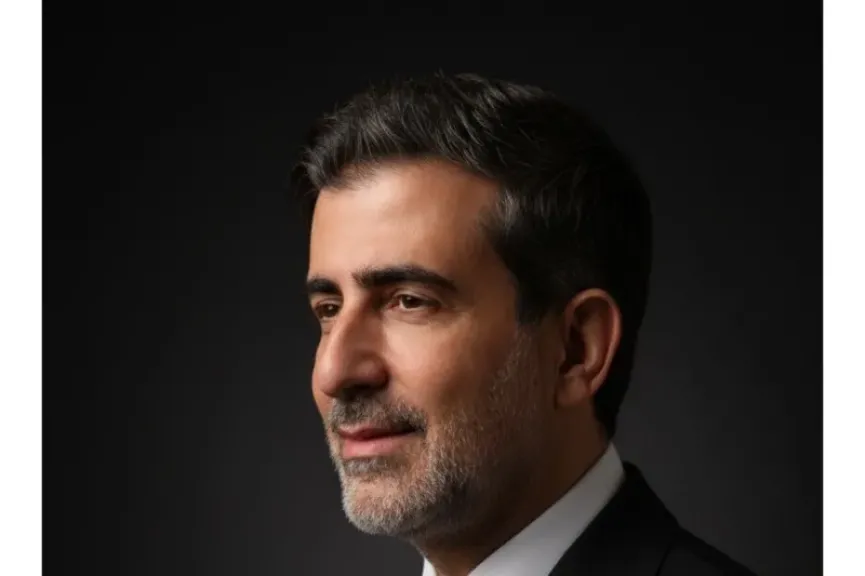
Investment expert Samer Choucair stated that the controversy surrounding comments made by Belgium national team head coach Rudi Garcia during the 2026 FIFA World Cup reflects the profound transformation taking place in the global football industry. Matches are no longer judged solely by results on the pitch; language, public image, and reputation management have become critical factors influencing the future of sports investment and the value of global brands.
Choucair said that the widely circulated photograph of Belgium coach Rudi Garcia on the touchline at Seattle Stadium, gesturing emphatically with his right hand while visibly displaying tension and pressure, represents far more than a sporting moment. Instead, it illustrates the intense pressures surrounding modern football as a global industry where sport intersects with economics, media, culture, and soft power.
He explained that every detail of the scene—from Garcia's light blue shirt and red tie to the background featuring players, officials, and spectators—reflects an intensely competitive environment in which every movement and every statement quickly becomes the subject of global discussion and analysis.
Choucair added that Belgium's 3–2 victory over Senegal on July 1, 2026, was not the end of the story. Instead, the coach's post-match remarks sparked widespread debate after he suggested that "these teams" tend to lose their tactical structure during the closing stages of matches, prompting some observers to interpret the comments as reinforcing stereotypes about African national teams.
He noted that Garcia later clarified he was referring to teams that are less accustomed to managing leads in high-pressure World Cup matches, regardless of their geographic origin. However, the clarification failed to end the controversy, demonstrating how the speed of digital media often allows interpretations to spread beyond a speaker's original intent.
Choucair emphasized that the image circulating across digital platforms, alongside screenshots highlighting the scale of online engagement, reflects today's media landscape, where there are no longer casual remarks or ordinary photographs during major tournaments. Every piece of content is scrutinized, analyzed, and reinterpreted within minutes.
He said that this transformation means the football pitch now represents only the sporting dimension of the event, while digital platforms have become the true arena for public debate, significantly increasing the importance of strategic communication for coaches, players, and football associations.
Choucair explained that the pressure visible on the coach's face extends beyond sporting competition to include economic considerations, as reputation in major international tournaments has become one of the most valuable intangible assets influencing sponsorship agreements, commercial partnerships, investment decisions, and brand value.
He pointed out that the controversy cannot be separated from the broader historical discussion surrounding stereotypes in sport. Academic research has repeatedly highlighted that sports coverage often places greater emphasis on the physical attributes of Black athletes than on tactical intelligence or acquired technical skills, illustrating ongoing challenges in how athletic performance is portrayed by the media.
Choucair added that the expansion of the 2026 FIFA World Cup to 48 participating nations has significantly increased representation from different continents, making precise, balanced, and culturally sensitive language more important than ever in preserving the tournament's image as a celebration of diversity, mutual respect, and fair competition.
He emphasized that football has evolved into one of the world's largest industries, generating hundreds of billions of dollars through broadcasting rights, sponsorships, advertising, sports tourism, and digital content. Consequently, any controversy involving discrimination or stereotypes can directly affect brand value and commercial partnerships.
Choucair explained that multinational companies invest in major sporting events because they are associated with values such as inclusion, diversity, and social integration. Any controversy that calls those values into question creates additional challenges for sports organizations, sponsors, and marketing executives.
He added that the economic impact also extends to player valuations and football academies, as stereotypical perceptions of particular football cultures or geographic regions may influence investment decisions related to talent identification, player development, and international partnerships with academies and football associations.
Choucair noted that the rapid spread of content across digital platforms has made reputation management an essential component of sports governance, with a single incident capable of becoming a global issue within hours and influencing sponsors, supporters, and investors alike.
He emphasized that the Gulf states, particularly Saudi Arabia, have established an advanced model for sports investment as part of broader economic diversification strategies, making the development of a globally respected sporting image based on openness and inclusion a critical factor in the long-term success of these investments.
Choucair explained that developing sports infrastructure while attracting international tournaments and global stars forms part of a broader economic strategy designed to strengthen tourism, attract investment, and create employment opportunities. However, sustainable success also depends on embedding strong standards of governance, professionalism, diversity, and inclusion throughout the sports sector.
He added that investing in cross-cultural communication training, enhancing sports media content, and utilizing data-driven performance analysis rather than relying on stereotypes represents a strategic opportunity to strengthen sport's role as both an economic and social driver.
Choucair noted that sports organizations capable of fostering inclusive and respectful cultures will be best positioned to attract world-class talent, global sponsors, and long-term investors while generating more sustainable economic returns.
He stressed that the coming years require continued education and awareness initiatives throughout sports organizations, ensuring that combating bias becomes an integral part of everyday operations rather than simply a reaction to isolated controversies. Diversity and inclusion standards should be embedded within coaching, administration, governance, and sponsorship programs.
Concluding his remarks, Choucair said that sports investment in the 21st century can no longer be measured solely by the value of stadiums or player contracts. Instead, it must be evaluated by the ability of sports institutions to build trust and strengthen mutual respect among cultures, because reputation has become one of the industry's most valuable economic assets.
He concluded by saying: "Sport today is no longer simply a competition to win. It is a global platform that shapes economies, cultures, and national images. The more successfully we promote inclusion, mutual respect, and professional reputation management, the greater the sports industry's ability to drive growth, attract investment, and create a lasting impact that extends far beyond the playing field."