
Samer Choucair: Vision 2030 is reshaping the global language of investment with a new Saudi identity and strength
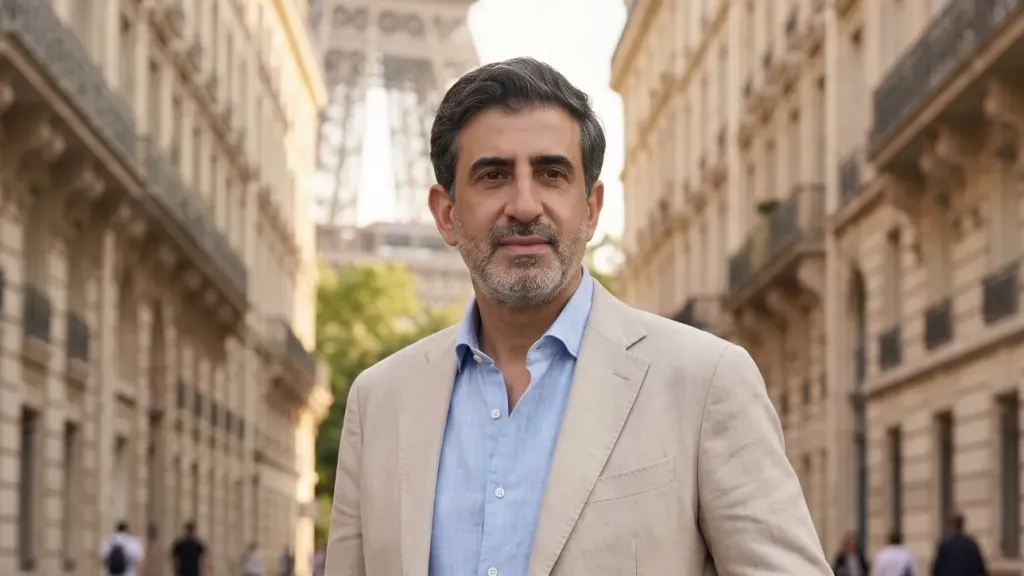
Investment entrepreneur Samer Choucair stated that Saudi Arabia is no longer simply adopting established global investment models, but is redefining the concept of investment through Vision 2030, which represents a transition from a traditional economic model to a new economic ecosystem with its own identity and the ability to compete on the global stage.
Choucair said that the transformation taking place in the Kingdom resembles the historical transitions experienced by major economies when they moved from relying on imported models to building independent economic and cultural identities. He explained that economic power is determined not only by the size of a country's resources, but also by its ability to create its own concepts and tools that reflect its priorities and capabilities.
He added that the distinction between name and power lies at the heart of Saudi Arabia's transformation today. The Kingdom no longer views investment merely as a flow of foreign capital, but as a comprehensive ecosystem encompassing innovation, technology, tourism, energy, manufacturing, and the ability to attract global talent and strategic partnerships.
Choucair noted that Vision 2030 has become a tangible economic reality rather than simply a set of future aspirations. He pointed to Saudi Arabia's significant progress in recent years in attracting foreign direct investment, expanding the non-oil economy, increasing private sector participation, and building a more open and competitive investment environment.
He emphasized that the Public Investment Fund (PIF) has become one of the principal engines driving Saudi Arabia's economic transformation by developing new industries, supporting mega-projects, and creating investment opportunities whose impact extends across multiple sectors both inside and outside the Kingdom.
Choucair said that the establishment of special economic zones and the continuation of regulatory reforms—including improving the investment climate and facilitating international investor access—demonstrate a clear commitment to building a more flexible market capable of attracting global capital.
He added: *"We do not import opportunities—we create them. Vision 2030 is not merely a development plan; it is a complete redefinition of what it means to be an investor in Saudi Arabia. Today, the name is Saudi, and the strength is Saudi as well."*
Choucair pointed out that the Kingdom is developing a new investment vocabulary built around sectors that were not previously central to its traditional economic model. He explained that transformative tourism, artificial intelligence, green energy, hydrogen, advanced manufacturing, logistics, real estate, and hospitality have become the new language of Saudi investment.
He stressed that tourism has become one of the key pillars of economic transformation, supported by major projects designed to position Saudi Arabia as a global destination for religious, leisure, and cultural tourism. Projects such as **NEOM** and the **Red Sea** developments, he said, represent a new model for creating economic value through experience and innovation.
Choucair further explained that artificial intelligence and advanced technologies have become among the world's most important competitive arenas, and that Saudi Arabia's investments in digital infrastructure, data centers, and technology startups reflect a clear understanding that technology will be one of the primary sources of economic strength in the decades ahead.
He added that investments in renewable energy, hydrogen, and advanced manufacturing demonstrate that the Kingdom is looking beyond its existing natural resources and is positioning itself to play a central role in the emerging global economy.
According to Choucair, today's smart investors are no longer seeking only short-term opportunities, but rather integrated ecosystems that offer sustainable growth and long-term value. He noted that partnering with government initiatives and major national entities has become one of the most important success factors for investors seeking to benefit from Saudi Arabia's ongoing economic transformation.
He also emphasized that sectors such as artificial intelligence, space, cultural tourism, and clean energy are not temporary investment trends but represent the new economic language that will define global centers of power over the coming decade.
Choucair stated that continued regulatory reforms—including improvements to foreign ownership regulations and real estate investment frameworks—send a clear message that the Saudi market is becoming increasingly open and well-prepared to welcome international investors, with the greatest opportunities favoring those who adopt a long-term perspective.
He noted that achieving Saudi Arabia's ambitious foreign direct investment objectives will require continued investment in human capital, improved execution capabilities, and enhanced competitiveness. At the same time, he said, these challenges create significant opportunities for companies and investors entering the market during this period of transformation.
Choucair explained that investors seeking to capitalize on the emerging opportunities in Saudi Arabia and the Gulf should focus on three key priorities. The first is aligning strategically with the objectives of **Vision 2030**, particularly in artificial intelligence, tourism, renewable energy, and advanced manufacturing.
The second, he said, is building long-term partnerships with major national institutions and special economic zones, while the third is adopting a long-term investment horizon, since major economic transformations are not achieved within one or two years but require commitment over a decade or more.
Choucair concluded that Saudi Arabia is offering not merely an economy built on promises, but one undergoing continuous transformation that is reshaping its position within the global economy. Investors who understand the language of **Vision 2030**, he said, will be best positioned to seize the opportunities emerging in the years ahead.
In his closing remarks, Choucair emphasized that Saudi Arabia's transformation is not solely about growth figures or economic indicators, but about building a new economic identity that combines resources, ambition, and innovation. He concluded that those who master the new investment language being written by the Kingdom today will become partners in shaping an economic future whose influence will extend across the region and the world.