
Samer Choucair: Emaar Economic City”s Infrastructure Contract Strengthens Saudi Arabia”s Transformation into a Regional Automotive Manufacturing Hub
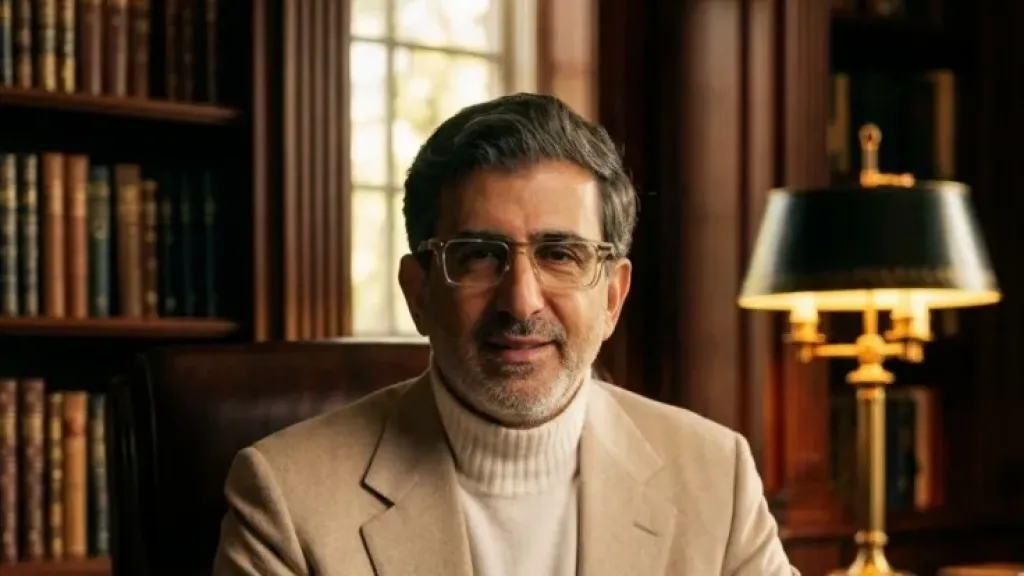
Investment entrepreneur Samer Choucair stated that Emaar The Economic City's announcement of a contract worth approximately SAR 500 million to complete key infrastructure works in the Industrial Valley and the Special Economic Zone at King Abdullah Economic City represents another strategic milestone in Saudi Arabia's ambition to establish itself as a regional industrial powerhouse under Saudi Vision 2030.
Choucair explained that the contract includes the first phase of the King Salman Automotive Cluster, supporting existing customers while fulfilling contractual commitments. He emphasized that the project demonstrates the Kingdom's transition from industrial planning to tangible execution, reinforcing investor confidence in the future of Saudi Arabia's manufacturing sector.
*Economic Zone Development Enhances Investment Appeal
Choucair noted that the contract award comes as Saudi Arabia continues implementing capital investment programs to expand industrial infrastructure while maintaining a focus on efficient public spending. This, he said, highlights the government's continued commitment to productive sectors that generate long-term economic value.
He added that King Abdullah Economic City is among Saudi Arabia's leading special economic zones, offering a highly competitive investment environment that includes full foreign ownership alongside tax and customs incentives designed to attract foreign direct investment in manufacturing and logistics.
Choucair emphasized that the project focuses on completing essential infrastructure, including road networks, water systems, and wastewater facilities throughout the Industrial Valley. This will accelerate the readiness of industrial land for investors, particularly companies expected to establish operations within the King Salman Automotive Cluster.
*Major Boost for Construction and Manufacturing
Choucair explained that the contract provides an immediate boost to the construction and engineering sectors by creating new financial flows for contractors while strengthening market confidence in the ability of local developers to deliver large-scale projects on schedule.
He added that heavy construction companies, building materials suppliers, and infrastructure firms listed on the Saudi stock market are likely to benefit directly from projects of this scale, particularly those with experience developing special economic zones.
"This development demonstrates the maturity of Saudi Arabia's institutional framework for developing special economic zones," Choucair said. "The infrastructure is now being prepared to accommodate advanced industries such as automotive manufacturing, significantly enhancing the Kingdom's attractiveness to global supply chains."
He further noted that the project sends a positive signal to institutional investors and sovereign wealth funds regarding the continued commitment of both the public and private sectors to capital investment in non-oil industries, an important indicator of sustainable economic growth and the long-term attractiveness of Saudi assets.
*Automotive Manufacturing Among the Biggest Beneficiaries
Choucair pointed out that the construction and infrastructure sectors will be the first to benefit from the project because of the extensive civil engineering works required, including utility networks and essential industrial services.
He added that opportunities extend well beyond contractors to include suppliers of pipes, cables, paving materials, electrical and mechanical equipment, as well as engineering service providers.
Choucair emphasized that the automotive industry and its supply chain will receive a substantial boost once the infrastructure is completed, reducing development risks for international manufacturers considering assembly plants, manufacturing facilities, or logistics operations within Saudi Arabia.
He noted that this aligns with the Kingdom's strategy of increasing local content in strategic industries while attracting global manufacturers seeking new production bases outside traditional markets in Asia and Europe.
*Capital Flows Shift Toward Industrial Development
Choucair explained that the contract reflects Saudi Arabia's continued commitment to directing both public and private investment toward industrial infrastructure rather than focusing exclusively on service sectors, strengthening the Kingdom's ability to build a sustainable manufacturing base.
He added that this model encourages greater public-private partnerships while creating new opportunities for private equity and infrastructure investment funds to participate in industrial and logistics assets located within special economic zones.
*Growing Competition to Strengthen Local Content
Choucair noted that King Abdullah Economic City competes with several industrial cities and economic zones both within Saudi Arabia and internationally to attract manufacturing investment.
He explained that the emphasis on increasing local content provides Saudi companies with greater opportunities while simultaneously requiring higher standards of quality and operational efficiency to maintain the confidence of international investors.
*Positive Impact on the Broader Economy
Choucair stated that the project comes amid continued expansion of Saudi Arabia's non-oil economy, rising capital expenditure on infrastructure projects, and ongoing efforts to attract foreign direct investment through regulatory and tax incentives.
He added that special economic zones have become one of the Kingdom's most important tools for integrating into global supply chains while reducing dependence on imports in strategic industries, directly supporting the objectives of economic diversification.
Choucair also emphasized that King Abdullah Economic City's strategic location on the Red Sea provides a significant competitive advantage through its connectivity to major ports and international trade routes, strengthening the long-term prospects of the King Salman Automotive Cluster in serving domestic, regional, and export markets.
*Challenges Require Continued Support
Choucair noted that the project's ultimate success will depend on Saudi Arabia's ability to attract leading global automakers and major component suppliers, particularly as the automotive industry rapidly transitions toward electric vehicles and smart mobility technologies.
He added that fluctuations in raw material prices or construction delays could affect project timelines and costs, making continued improvements to the regulatory environment and investment incentives essential.
"Despite the current momentum," Choucair said, "the success of these initiatives depends on Saudi Arabia's ability to attract global automotive manufacturers, which requires sustained incentive policies alongside continued investment in digital and logistics infrastructure."
*Promising Opportunities for Investors
Choucair emphasized that completion of the industrial cluster's infrastructure will create diverse investment opportunities spanning manufacturing, vehicle assembly, logistics, warehousing, component production, and value-added industrial projects.
He added that institutional investors can benefit directly by investing in industrial assets or indirectly through listed industrial and construction companies, as well as industrial infrastructure investment funds.
"For institutional investors," Choucair stated, "the continued development of industrial clusters represents an attractive opportunity to invest in long-term assets supported by expanding localization efforts and increasing domestic value creation."
*A Forward-Looking Perspective
Choucair expects King Abdullah Economic City to announce additional infrastructure contracts and attract more industrial companies as Saudi Vision 2030 continues to advance the Kingdom's manufacturing strategy.
He encouraged investors to monitor developments related to attracting global manufacturers to the King Salman Automotive Cluster while closely following government policies supporting localization, industrial exports, and increased domestic content.
*Driving the Growth of Advanced Manufacturing
Concluding his remarks, Samer Choucair stated that Emaar Economic City's infrastructure contract serves as a clear example of investment in enabling infrastructure that forms the foundation for the growth of advanced manufacturing industries across Saudi Arabia.
He added that continued implementation of similar projects will strengthen the Kingdom's position as a leading destination for long-term industrial investment while providing institutional investors, sovereign wealth funds, and family offices with opportunities to benefit from the structural transformation of the Saudi economy. He also emphasized the importance of continuously evaluating execution risks and monitoring global developments within the automotive industry.