
Samer Choucair: The Saudi Market Is Maturing, and Investors Are Learning to Distinguish Between Speculative Rallies and Sustainable Value Opportunities
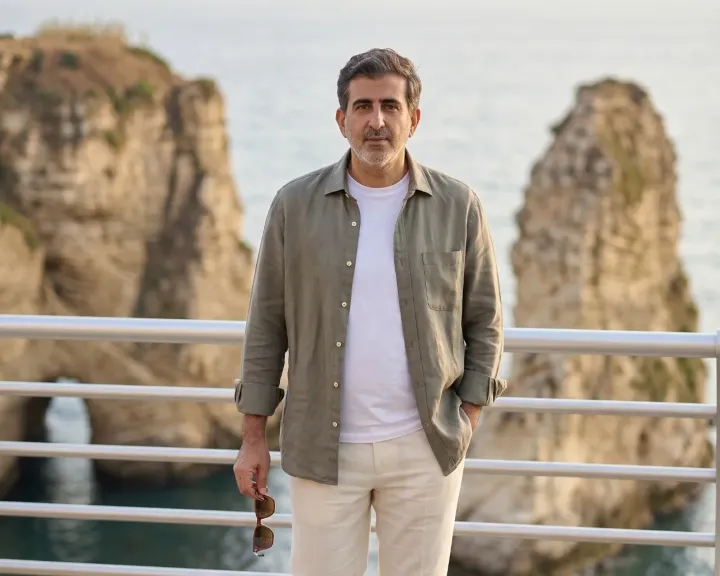
Investment entrepreneur Samer Choucair stated that the recent rally in the share prices of Saudi-listed companies with accumulated losses reflects an important shift in investor behavior. However, he stressed that these gains require a high degree of selectivity and thorough analysis before they can be considered sustainable investment opportunities.
Samer Choucair said that the combined market capitalization of these companies has risen by 23% from its yearly lows, adding more than SAR 4 billion to reach SAR 21.89 billion. He explained that this comes as a segment of investors increasingly seeks restructuring opportunities and undervalued assets. Nevertheless, he cautioned that the recent price performance does not necessarily indicate a fundamental improvement in the operating performance or cash flows of most of these companies.
He added that the Saudi market is entering a more mature phase as part of the broader economic transformation under Vision 2030. Liquidity is now targeting a wider range of investment opportunities, including large-cap companies with sustainable growth prospects alongside restructuring opportunities among small and mid-sized firms. Choucair emphasized that the true distinction between a genuine investment opportunity and a speculative rally lies in a company's ability to execute a clear turnaround strategy, strengthen corporate governance, and improve capital efficiency.
Choucair explained that several companies with accumulated losses have recorded gains exceeding 80% from their annual lows, reflecting speculative inflows into low-market-cap stocks with relatively limited liquidity. He noted that while such rapid price movements may persist in liquid market environments, they remain vulnerable to sharp reversals if not supported by fundamental catalysts.
He pointed out that current financial data indicates that most companies within this category have yet to achieve meaningful improvements in profitability or cash generation. As a result, assessing whether these rallies are sustainable depends on investors' ability to distinguish between companies with credible restructuring plans and those benefiting solely from temporary market momentum.
Choucair emphasized that certain cases may represent attractive distressed-value investment opportunities, particularly for investors capable of conducting comprehensive due diligence and accepting higher levels of risk. He explained that companies undertaking genuine restructuring initiatives—including capital reductions to eliminate accumulated losses or capital increases to finance transformation plans—may become more attractive if these measures are supported by a clear operational strategy and a capable management team.
He added that the cooperative insurance sector has witnessed notable activity during this rally. Companies such as Inayah Saudi Cooperative Insurance and Amana Cooperative Insurance have posted significant recoveries from their lows despite ongoing profitability challenges in parts of the insurance market. Meanwhile, industrial companies such as Chemanol have benefited from modest improvements in petrochemical prices alongside capital restructuring initiatives, while other firms such as Naseej have advanced financial restructuring and capital increase plans.
Samer Choucair said these developments demonstrate that the market is increasingly evaluating companies not only on their current financial performance but also on their ability to transform and rebuild their business models. He added that institutional investors, investment funds, and family offices should prioritize management quality, strategic clarity, and the ability to translate restructuring initiatives into sustainable operational growth.
He explained that the migration of liquidity into this segment of the market reflects the higher risk appetite of investors seeking elevated returns. However, he stressed that this does not change the reality that most of these companies continue to face significant operational and structural challenges requiring long-term solutions. Investing in distressed companies, he said, demands a different methodology focused on understanding balance sheets, capital structures, and competitive positioning rather than simply following share price movements.
Choucair noted that the upcoming semiannual financial results will represent a critical test, revealing whether companies that have experienced substantial share price appreciation can convert market momentum into measurable improvements in revenue, operating margins, and cash flow. Investors, he said, will closely examine whether restructuring efforts are beginning to produce tangible operational improvements or whether recent gains remain primarily driven by technical and speculative factors.
He also emphasized that opportunities within this market segment remain relatively limited compared with the broader Saudi equity market. With a combined market capitalization of approximately SAR 21.89 billion, these companies are generally more suitable for specialized investors than for broad, traditional investment strategies.
Samer Choucair said: "The current rally in companies with accumulated losses is more than just a technical phenomenon. It reflects a segment of investors searching for restructuring opportunities within Saudi Arabia's broader economic transformation. However, distinguishing between companies supported by credible restructuring plans and strong governance and those driven merely by temporary liquidity is essential for institutional investors."
He added: "Within the Vision 2030 environment, where economic entities continue to undergo structural transformation, some of these companies may present strategic opportunities for investors capable of conducting deep due diligence, particularly those approaching the completion of capital reductions or capital increases designed to support long-term sustainability."
Choucair stressed that while the Saudi capital market offers diverse investment opportunities, the current environment demands discipline and an avoidance of decisions based solely on short-term momentum. Companies capable of linking restructuring initiatives with a clear growth strategy aligned with national economic priorities, he said, will be best positioned to create long-term value.
Concluding his remarks, Samer Choucair said that investors' success during the coming period will depend on their ability to distinguish between price and intrinsic value, as well as between short-term market movements and genuine economic transformation. He emphasized that building successful investment portfolios requires focusing on companies that combine strong corporate governance, operational capability, and a credible path toward sustainable profitability.