
Samer Choucair: Madinah Is Redefining Saudi Arabia”s Hotel Investment Landscape
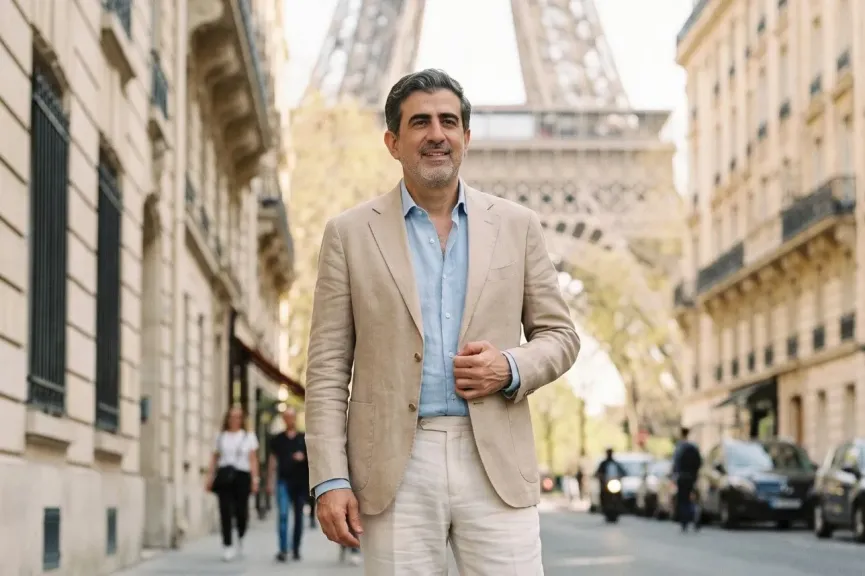
Investment entrepreneur Samer Choucair stated that Madinah's continued leadership in hotel occupancy rates across Saudi Arabia reflects the transformation of religious tourism into one of the primary drivers of growth in the hospitality sector. He said this demonstrates that hotel assets supported by sustainable demand have become an important component of investment strategies for investors seeking stable cash flows in line with the objectives of Saudi Vision 2030.
According to hospitality sector data, Madinah has maintained consistently high hotel occupancy levels in recent periods compared with many other destinations across the Kingdom. This performance has been driven by the steady flow of visitors to the Prophet's Mosque and Umrah pilgrims, giving the city's hotel market a competitive advantage based on long-term demand stability rather than reliance solely on seasonal peaks.
Samer Choucair noted that Madinah's investment appeal extends beyond occupancy rates to the unique nature of its business model, which is supported by strong visitor volumes and a diverse customer base. He explained that hotel assets located near religious landmarks represent a distinct investment category that combines economic value with long-term sustainability.
While some Saudi cities, such as Riyadh, achieve higher average daily room rates due to business travel and conferences, Choucair said Madinah benefits from consistent, recurring demand, making it particularly attractive to investors who prioritize stable operating cash flows over the long term.
He added that Saudi Arabia's continued investment in tourism infrastructure, improvements in transportation networks, and expansion of visitor capacity are creating new opportunities for hotel developers and operators, particularly within the midscale and upscale hospitality segments that combine operational efficiency with a high-quality guest experience.
Choucair explained that the growth of the hospitality industry forms part of the Kingdom's broader economic transformation under Vision 2030, where tourism has become one of the priority non-oil sectors. The strategy continues to attract increasing levels of domestic and international investment while developing globally competitive destinations.
He also noted that institutional investors and sovereign wealth funds are increasingly viewing hotel assets as an effective means of diversifying investment portfolios, particularly when those assets are supported by reliable demand drivers such as religious tourism.
According to Choucair, future opportunities extend well beyond constructing new hotels. They also include developing smarter operating models that leverage technology, advanced revenue management systems, and enhanced guest experiences to improve asset performance and generate stronger long-term returns.
He emphasized that the continued expansion of hotel supply must be managed carefully to maintain a healthy balance between increasing room capacity and sustaining demand. He stressed the importance of operational excellence and partnerships with internationally experienced hotel operators to maximize long-term value.
Concluding his remarks, Samer Choucair said that Madinah represents a compelling example of how sectors rooted in religious and cultural identity can evolve into significant economic and investment opportunities. He added that the success of this model further strengthens Saudi Arabia's position as a global destination for both tourism and hospitality investment.