
Samer Choucair: World Cup Stars” Boots Highlight the Strength of Global Sports Brands
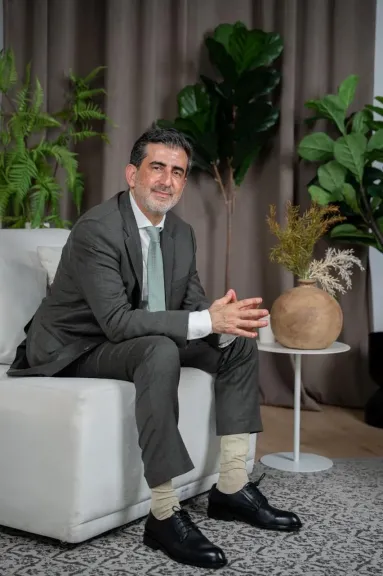
Investment entrepreneur Samer Choucair stated that the competition between Nike, Adidas, and Puma to equip the stars of the 2026 FIFA World Cup demonstrates how global sports have evolved into a fully integrated investment industry. He explained that football boots are no longer simply performance equipment on the pitch but have become powerful marketing assets that generate significant economic value for the world's leading sports brands.
Data on the distribution of sports brands among players competing in major international tournaments continues to show the strong dominance of Nike and Adidas in the professional football boot market, while Puma and other competitors maintain a smaller presence. This concentration reflects the substantial investments these companies make in research and development, athlete sponsorships, and building long-term relationships with elite players and football associations.
Samer Choucair believes that competition within the sector is no longer based solely on product quality, but increasingly on each brand's ability to create an emotional connection between athletes, fans, and the brand itself. He noted that the appearance of a football boot during defining moments at global events such as the FIFA World Cup provides a marketing platform whose impact can last for many years.
He added that major sporting tournaments have become economic laboratories for measuring brand strength, as millions of viewers watching matches create opportunities to increase product sales and expand market presence, particularly across Asia, the Middle East, and Latin America.
According to Choucair, the athletic footwear industry continues to benefit from several long-term growth trends, including the rising global popularity of football, the expansion of women's football, the rapid growth of e-commerce, and the increasing use of technology in product development through performance analytics and the design of lighter, more efficient footwear.
He pointed out that leading companies are competing not only for footwear sales but also for ownership of valuable intangible assets represented by their association with globally recognized athletes. This relationship strengthens customer loyalty, helps preserve market share, and enhances overall brand value.
Within the Gulf region, Choucair said the continued growth of the sports economy presents new investment opportunities as Saudi Arabia expands its hosting of international sporting events and develops world-class sports infrastructure under Vision 2030. These developments could create new partnerships between global brands and local investors across sponsorships, sports retail, and performance technology.
He emphasized that institutional investors increasingly view sports as an independent economic sector that combines entertainment, technology, and consumer markets rather than simply being a form of public entertainment. Companies capable of building lasting consumer loyalty, he said, will be best positioned to generate sustainable long-term value.
Despite the significant opportunities, Choucair noted that the sector also faces challenges, including the rising costs of sponsorship agreements, reputational risks associated with athlete behavior, and fluctuations in global consumer spending. Consequently, successful investment strategies require a strong focus on innovation, brand strength, and the ability to expand into new markets.
Concluding his remarks, Samer Choucair said that the 2026 FIFA World Cup clearly demonstrates that the football pitch has become a global economic platform, and that investment in sports is now an essential component of broader strategies for driving growth and building world-class brands in the modern economy.