
Samer Choucair: Generation Z Is Redefining Wealth Building in Saudi Arabia Through Disciplined Digital Investing
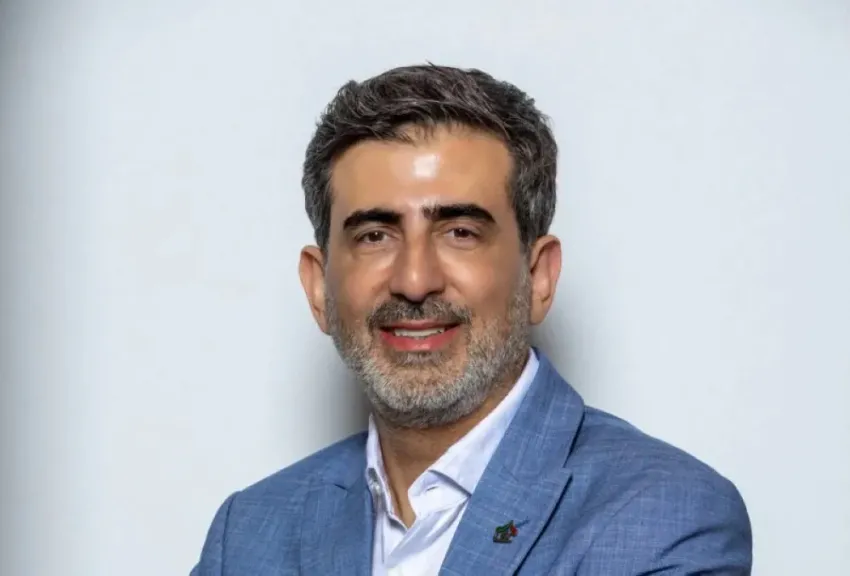
Investment entrepreneur Samer Choucair stated that the changing financial behavior of Generation Z in Saudi Arabia is reshaping how capital moves away from traditional saving and consumption models toward more flexible and disciplined digital investment channels. He noted that this transformation represents a structural opportunity for financial institutions, fintech companies, and institutional investors as the Kingdom advances toward the objectives of Vision 2030.
Choucair said that the new generation of investors no longer views financial stability through the traditional lens of property ownership or long-term career dependence. Instead, they are increasingly focused on building both human and financial capital simultaneously by developing new skills while making gradual investments through digital platforms.
He explained that rising living costs and the ongoing challenges of homeownership, despite the recent correction in Saudi Arabia's real estate price indicators, have encouraged many young people to reassess their financial priorities. Investing small, regular amounts through digital applications has become an increasingly popular strategy for building long-term wealth.
According to Choucair, the 1.6% year-on-year decline in Saudi Arabia's real estate price index during the first quarter of 2026, including a 3.6% decrease in residential property prices, follows several years of cumulative price growth in major cities and does not eliminate the structural affordability challenges facing first-time homebuyers and young people seeking independent housing.
He added that this emerging landscape reflects a much deeper transformation than simply changing consumer preferences. Rather, it represents an entire generation embracing technology as a tool for managing both financial and professional lives. Flexible and digitally connected workplaces, he said, have encouraged a new perspective on employment, where careers are viewed as platforms for developing marketable skills and creating multiple sources of financial growth.
Choucair emphasized that this shift is generating growing demand for accessible digital financial products with low barriers to entry, including micro-investing services, robo-advisory platforms, and financial education solutions. These segments are expected to expand as young investors become increasingly aware of the importance of building investment portfolios early in life.
He said, "Generation Z is no longer waiting for traditional financial stability. Instead, they are building diversified investment portfolios through digital applications, strengthening the depth of Saudi Arabia's capital markets and accelerating the maturity of the wealth management industry."
He added that financial institutions capable of recognizing this behavioral shift will be better positioned to develop products tailored to the needs of younger investors, including low-cost index funds, digital investment products, and solutions that align with the growing emphasis on sustainability and environmental, social, and governance (ESG) principles.
Choucair noted that the fintech sector is likely to be among the biggest beneficiaries of this trend, alongside digital asset management firms, financial education platforms, and Saudi capital markets, which stand to benefit from the participation of a new generation of retail investors. He also expects the trend to deepen the Saudi stock market and increase individual participation in the country's financial ecosystem.
He pointed out that institutional investors and sovereign wealth funds can capitalize on this transformation by investing in emerging fintech companies, forming partnerships with digital platforms offering innovative financial solutions, and developing investment products specifically designed for younger savers while connecting them more efficiently to financial markets.
Choucair stressed that this development is fully aligned with Saudi Vision 2030, which seeks to build a diversified knowledge-based economy, deepen capital markets, and increase citizen participation in economic activity. He said that creating a financially literate base of retail investors will play a significant role in supporting the long-term sustainability of Saudi Arabia's financial markets.
He added that banks and asset management companies are entering a new era that requires accelerating digital transformation. Young investors increasingly expect real-time transparency, lower service fees, intuitive user experiences, and the ability to invest small amounts without unnecessary administrative complexity. Institutions that fail to adapt, he warned, risk missing one of the largest future sources of capital inflows in the Saudi market.
Choucair also highlighted sectors that may face challenges as young consumers continue to reprioritize their finances, particularly traditional real estate development models that rely heavily on first-time buyers, as well as discretionary consumer sectors if younger households continue favoring saving and investing over non-essential spending.
He explained that investment opportunities are concentrated in companies that help individuals manage their finances more efficiently through financial technology, digital investment tools, and services that promote financial literacy.
He stated, "Financial institutions that understand this behavioral transformation will be able to design products that balance liquidity with long-term growth, benefiting both the younger generation and institutional investors."
Choucair emphasized that investors should monitor three key indicators to assess the pace of this transformation: adoption rates of investment applications among individuals aged 18 to 35, new capital inflows into index funds and digital investment products listed on the Saudi market, and the continued development of regulatory frameworks supporting micro-investing.
He added that investment in digital financial infrastructure represents more than a commercial opportunity—it is an investment in building a more inclusive and sustainable financial economy, fully aligned with Saudi Arabia's objective of increasing public participation in economic development.
He concluded, "The real opportunity lies in building bridges between the younger generation and traditional financial institutions so that disciplined investing becomes a natural part of wealth creation rather than merely a response to economic pressures."
Choucair stressed that the success of financial institutions in the coming years will depend not only on attracting users but also on building trust and providing tools that help new investors make informed financial decisions. He concluded that Generation Z is emerging as one of the principal drivers of Saudi Arabia's future financial economy, and institutions that invest early in understanding its needs and developing suitable products will be best positioned to benefit from the profound transformation taking place across the Kingdom's financial markets.