
Saudi Arabia”s tourism expansion is reshaping the global investment landscape under Vision 2030 according to investment entrepreneur Samer Choucair
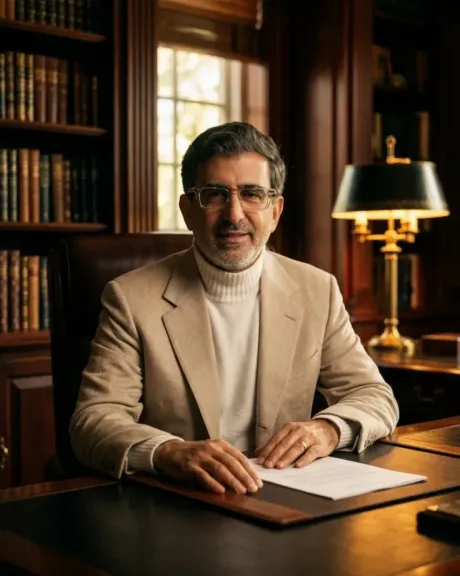
Choucair said the sustained growth of Saudi Arabia's tourism sector represents one of the region's most significant economic developments, with the rapid expansion of tourism facilities and hospitality infrastructure reflecting the country's successful transition toward a more diversified economy driven by non-oil industries.
He explained that rising investment in hotels, resorts, and tourism infrastructure demonstrates the effectiveness of the Kingdom's strategy to build an integrated tourism ecosystem that prioritizes not only higher visitor numbers but also premium experiences and high-quality assets capable of delivering sustainable long-term returns.
According to Choucair, investment opportunities within the sector have become increasingly diverse. Beyond traditional hotel development, investors are finding attractive prospects in destination management, hospitality asset management, travel technology, digital booking platforms, visitor experience solutions, and the wide range of supporting services that make up the tourism value chain.
He noted that growing private-sector participation, combined with increasing merger and acquisition opportunities within the hospitality industry, is creating favorable conditions for institutional investors. Many small and medium-sized hospitality businesses are entering a phase where operational improvements, strategic partnerships, and professional management can unlock significant long-term value.
Choucair added that Saudi Arabia's flagship tourism developments—including the Red Sea, Diriyah, and AlUla projects—are redefining tourism investment by creating world-class destinations designed to attract diverse visitor segments while strengthening the Kingdom's position as a global tourism and leisure destination.
He emphasized that international investors increasingly view Saudi tourism as a strategic long-term opportunity, supported by demographic growth, rising consumer spending on travel experiences, and the government's continued commitment to increasing tourism's contribution to the national economy.
Looking ahead, Choucair said the industry's next challenge will be shifting from rapid expansion to qualitative growth by prioritizing asset quality, operational excellence, sustainability, and the adoption of advanced technologies that enhance competitiveness across the hospitality sector.
"The strength of a tourism industry is measured not simply by the number of properties it builds," Choucair said. "Its true value lies in the ability to generate stable cash flows, develop internationally competitive brands, and create long-term economic value. Investors who focus on high-quality assets and strategic partnerships will be best positioned to benefit from Saudi Arabia's ongoing transformation."
Concluding his remarks, Choucair said Saudi Arabia's tourism industry has become one of the Kingdom's most important non-oil growth engines. He added that continued economic reforms and sustained investment in infrastructure will further strengthen Saudi Arabia's position as one of the world's most attractive destinations for capital seeking opportunities in hospitality and tourism over the coming years.