
Green Roofs: How Plants Are Helping Cool Rio de Janeiro
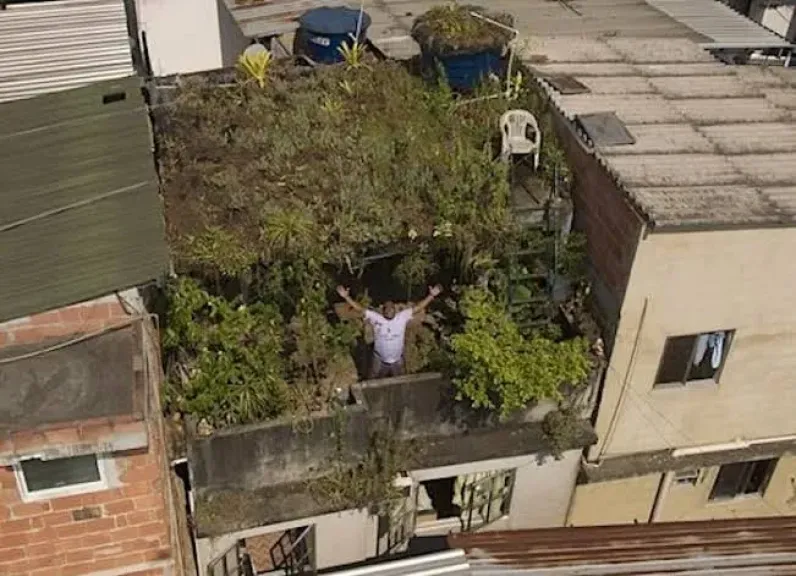
As cities continue to expand, rising temperatures have become a growing concern. Large areas of concrete, asphalt, and buildings absorb heat throughout the day, creating what is known as the "urban heat island" effect. In Rio de Janeiro, Brazil, where hot weather is common for much of the year, architects and environmental experts are increasingly turning to green roofs as a natural solution to help cool the city.
Green roofs are rooftops covered with layers of vegetation planted over a waterproof structure. Instead of absorbing and trapping heat like conventional roofs, these living roofs help lower building temperatures by providing shade and releasing moisture into the air through a natural process called evapotranspiration. As a result, buildings remain cooler, reducing the need for air conditioning and lowering energy consumption.
In Rio de Janeiro, green roofs are becoming part of broader efforts to make the city more resilient to climate change. Public buildings, schools, commercial properties, and some residential developments have begun incorporating rooftop gardens to improve urban sustainability. These living roofs not only reduce indoor temperatures but also create green spaces in densely populated areas where land is limited.
Beyond cooling buildings, green roofs offer several environmental benefits. They absorb rainwater, reducing stormwater runoff and helping prevent flooding during heavy rainfall. The vegetation also improves air quality by capturing dust and pollutants while producing oxygen. In addition, rooftop gardens provide habitats for birds, butterflies, bees, and other pollinators, supporting biodiversity within the city.
Green roofs also contribute to healthier and more attractive urban environments. They transform unused rooftops into vibrant spaces that can be used for relaxation, community gardens, or educational projects. In some buildings, rooftop vegetation is even used to grow herbs, vegetables, and native plants, promoting local food production and environmental awareness.
Despite their many advantages, green roofs require careful planning and maintenance. Buildings must be structurally capable of supporting the additional weight of soil and vegetation, and irrigation systems may be needed during dry periods. However, advances in lightweight growing materials and drought-resistant plants have made green roof technology more practical and cost-effective than ever before.
As climate change brings more frequent heat waves and extreme weather, cities around the world are exploring nature-based solutions to improve urban living. Rio de Janeiro's growing use of green roofs demonstrates how plants can play a vital role in cooling neighborhoods, reducing energy use, improving air quality, and creating more sustainable cities. By turning rooftops into living landscapes, the city is showing that even small changes can have a lasting impact on the environment and the quality of life for its residents.