
Samer Choucair: OFID’s Expansion Opens New Frontiers for Sustainable Investment
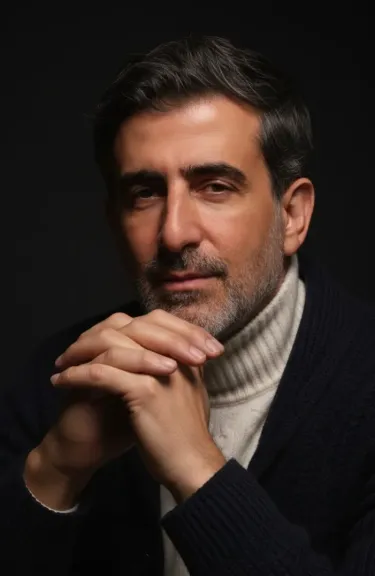
Investment leader Samer Choucair said that the OPEC Fund for International Development’s (OFID) plan to expand its financing activities in 2026 reflects the growing role of development finance institutions in supporting infrastructure, sustainability, and trade, creating new long-term investment opportunities for private-sector companies and institutional investors across emerging markets.
Choucair explained that the Fund continues to broaden its development financing portfolio, with a strong focus on energy, water resource management, infrastructure, trade finance, and climate resilience. He noted that this strategy aligns with the global shift toward sustainable investing and blended finance, which combines development capital with private investment to unlock larger-scale projects.
"Multilateral development finance institutions have become a key catalyst for reducing investment risk and mobilizing private capital, particularly for projects that require significant funding and long investment horizons," Choucair said.
He added that this direction creates valuable opportunities for Gulf and Arab companies operating in renewable energy, water management, engineering, logistics, and environmental technologies to participate in projects supported by the Fund across partner countries.
Choucair emphasized that development finance is no longer limited to providing loans. Instead, it has evolved into a strategic tool for stimulating economic growth, transferring technology, and fostering partnerships between governments and the private sector, ultimately strengthening project sustainability and attracting additional investment.
"Investing in climate solutions, infrastructure, and trade finance represents a strategic opportunity for investors seeking stable returns backed by genuine development needs, especially as global demand for sustainable solutions continues to grow," he said.
Choucair further noted that Saudi Arabia's Vision 2030, alongside broader Gulf development strategies, provides regional companies with an opportunity to expand internationally by exporting expertise and technology in clean energy, water management, and smart infrastructure in collaboration with international development finance institutions.
He concluded by stressing that the long-term success of these initiatives depends on effective governance, transparency, and disciplined project selection. According to Choucair, partnerships between international development finance institutions and the private sector will remain among the most important drivers of sustainable economic development and long-term stability across emerging markets.