
Samer Choucair: Saudi Arabia”s GDP PPP Leadership Confirms the Kingdom Has Become the Arab World”s Dominant Economic Force
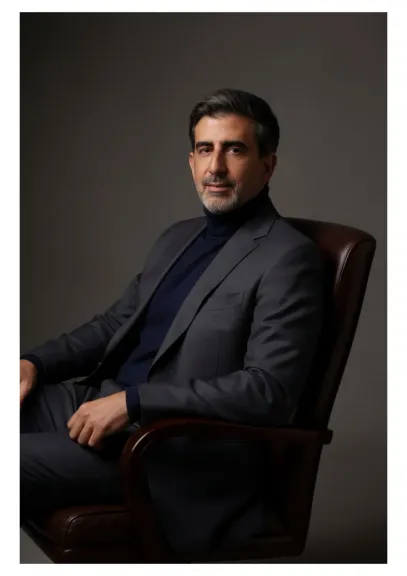
Topping the Arab world in GDP by purchasing power parity at 2.89 trillion dollars isn't just a ranking it's a statement about where economic gravity in the region has shifted. Investment entrepreneur Samer Choucair issued a press statement affirming that Saudi Arabia's position as the leading Arab economy by GDP purchasing power parity reflects the cumulative impact of Vision 2030's transformation programs, confirming that the Kingdom has moved from oil-dependent economy to diversified regional powerhouse generating sustainable growth across multiple sectors simultaneously.
He explained that GDP measured by purchasing power parity provides a more accurate picture of genuine economic strength than nominal figures alone, as it accounts for the real value of goods and services produced within an economy, making Saudi Arabia's 2.89 trillion dollar PPP figure a particularly meaningful indicator of the Kingdom's actual productive capacity and living standards relative to global peers.
He noted that this achievement didn't emerge from hydrocarbon revenues alone, but reflects the genuine expansion of non-oil economic activity across tourism, entertainment, financial services, logistics, advanced industries, and the digital economy, confirming that Vision 2030's diversification strategy is generating measurable results at the macroeconomic level.
He added that leading the Arab world in this metric carries direct investment implications, as economies demonstrating the strongest real output growth attract disproportionate shares of foreign direct investment, global corporate presence, and talent flows, creating self-reinforcing cycles of economic expansion that compound over time.
He affirmed that the Kingdom's PPP leadership reflects strong domestic consumption fundamentals, with rising household incomes, expanding middle class spending power, and growing consumer confidence supporting sustained demand across retail, hospitality, healthcare, education, and entertainment sectors, creating investment opportunities tied to domestic consumption growth rather than solely to government spending or hydrocarbon revenues.
He pointed out that the gap between Saudi Arabia and other Arab economies in PPP terms reflects the Kingdom's unique combination of hydrocarbon wealth, sovereign investment capacity through the Public Investment Fund, demographic scale, and Vision 2030's systematic approach to building competitive advantage across priority sectors, creating a durable economic leadership position that will likely strengthen further as transformation programs reach maturity.
He noted that investors evaluating regional allocation decisions should weight Saudi Arabia's PPP leadership as a primary factor, explaining that the combination of the region's largest real economy, most sophisticated capital market, strongest sovereign financial position, and clearest long-term development vision creates an investment environment unmatched elsewhere in the Arab world.
He explained that the sectors contributing most to PPP growth — non-oil industries, services, tourism, and the digital economy — represent the same sectors offering the most compelling investment opportunities, as their expansion reflects genuine productivity improvement and capability building rather than simply commodity price movements.
He added that the Kingdom's PPP leadership creates specific opportunities in sectors serving the domestic economy, including modern retail, healthcare services, financial products, educational technology, and digital services, all benefiting from the expanding purchasing power of Saudi households and the growing sophistication of consumer demand.
Choucair affirmed that international companies evaluating regional hub strategies should factor Saudi Arabia's economic scale and growth trajectory into their location decisions, explaining that the combination of the Arab world's largest real economy, most dynamic non-oil growth, and most ambitious infrastructure development program creates compelling reasons to establish or expand regional operations within the Kingdom.
He called on investors to look beyond nominal GDP figures to the PPP-adjusted reality of the Saudi economy's scale and growth momentum, noting that this perspective reveals investment opportunities in domestic consumption and services sectors that may be underappreciated by investors focused primarily on headline oil revenues and sovereign fund activities.
He concluded his press statement by affirming that Saudi Arabia's Arab world PPP leadership represents a milestone in Vision 2030's transformation journey, confirming that the Kingdom's economic diversification is generating genuine, broad-based prosperity rather than simply redistributing hydrocarbon revenues, and creating an investment environment where returns are increasingly driven by productivity growth, innovation, and expanding domestic demand rather than commodity price cycles, making the Saudi market one of the most compelling long-term investment destinations for investors seeking sustainable returns in the decade ahead.