
Samer Choucair: Saudi Arabia”s Tourism Boom Confirms the Kingdom Has Become a Global Destination
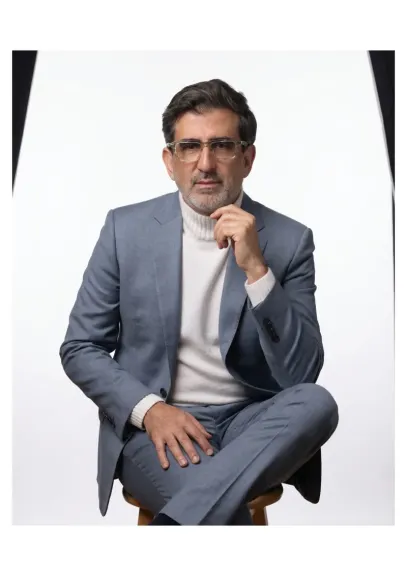
122 million visitors in 2025. A target of 150 million by 2030. Tourism spending exceeding 81 billion dollars. Investment entrepreneur Samer Choucair issued a press statement affirming that these figures represent one of the most remarkable demand-side economic transformations in Vision 2030's story, confirming that Saudi Arabia has successfully repositioned itself from a destination known primarily for religious tourism into a globally competitive leisure, entertainment, and business travel destination attracting visitors from every corner of the world.
He explained that achieving 122 million visitors in 2025 — already tracking well ahead of the pace needed to reach the 2030 target — reflects the cumulative impact of multiple simultaneous transformations in the Kingdom's tourism offer, including the development of world-class entertainment and leisure infrastructure, the dramatic liberalization of visa access, the launch of major cultural and sporting events, and the sustained investment in hospitality capacity across price points and visitor segments.
He noted that the tourism sector's contribution to GDP has risen substantially from pre-Vision 2030 levels, with the sector now representing a genuine economic pillar generating employment, driving real estate development, energizing retail and food and beverage sectors, and creating demand for transportation, logistics, and supporting services across the tourism value chain.
He added that the demographic profile of Saudi Arabia's growing visitor base has diversified significantly, with leisure tourists, business travelers, sports and entertainment event attendees, and cultural tourists joining the traditional pilgrimage visitor base, creating a more resilient and year-round tourism economy less dependent on seasonal religious travel patterns.
He affirmed that the investment implications of this tourism transformation are substantial and broad-based, encompassing hospitality real estate across the full spectrum from luxury resorts to budget accommodations, food and beverage concepts serving increasingly sophisticated and diverse visitor tastes, transportation infrastructure connecting tourist destinations, technology platforms enhancing visitor experience, and content creation capturing and amplifying Saudi Arabia's growing global tourism profile.
He pointed out that the giga tourism projects central to Vision 2030's destination development strategy — the Red Sea Project, Amaala, AlUla, Diriyah, and NEOM's tourism components — represent investment opportunities combining world-class infrastructure development with long-term hospitality operations in destinations designed to compete for the world's most discerning and high-spending visitors, creating potential for premium returns alongside the reputational and economic development benefits these projects generate.
He noted that the religious tourism segment, encompassing Hajj and Umrah visitors, continues to grow alongside the expanding leisure tourism base, with infrastructure investments in the holy cities creating investment opportunities in hospitality, transportation, retail, and services catering to the unique needs of pilgrims from across the Muslim world.
He explained that the events and entertainment dimension of Saudi tourism deserves particular investor attention, as the Kingdom's strategy of attracting major sporting events, international concerts, cultural festivals, and business conferences creates recurring demand spikes that support hospitality investment returns and generate ongoing media coverage amplifying the Kingdom's global tourism profile.
He added that the digital tourism economy represents a growing investment frontier, encompassing platforms enabling tourism booking and experience discovery, content creation and influencer marketing supporting destination awareness, technology solutions enhancing visitor experience within destinations, and data analytics helping tourism businesses optimize operations and personalize service delivery.
Choucair affirmed that investors approaching Saudi Arabia's tourism opportunity should think across the full visitor economy rather than focusing narrowly on hotel development, noting that the greatest value creation often lies in the experiences, retail, food and beverage, transportation, and technology components of tourism spending that collectively represent a larger share of visitor expenditure than accommodation alone.
He called on investors to pay particular attention to the emerging domestic tourism segment, explaining that rising Saudi household incomes, changing lifestyle preferences, growing entertainment options, and Vision 2030's quality of life programs are creating a substantial and rapidly expanding domestic tourism market that complements international visitor flows and provides investment returns less dependent on global travel sentiment.
He concluded his press statement by affirming that Saudi Arabia's tourism transformation represents one of Vision 2030's most visible and commercially compelling success stories, noting that the combination of world-class destination development, liberalized visitor access, sustained events programming, expanding hospitality capacity, and a young, increasingly affluent domestic population creates tourism investment fundamentals among the strongest available anywhere in the emerging market world, making the Saudi visitor economy one of the most important long-term investment themes aligned with the Kingdom's transformation ambitions through 2030 and beyond.