
Samer Choucair: Saudi Arabia”s Film Production Incentives Are Transforming the Kingdom Into a Global Creative Hub
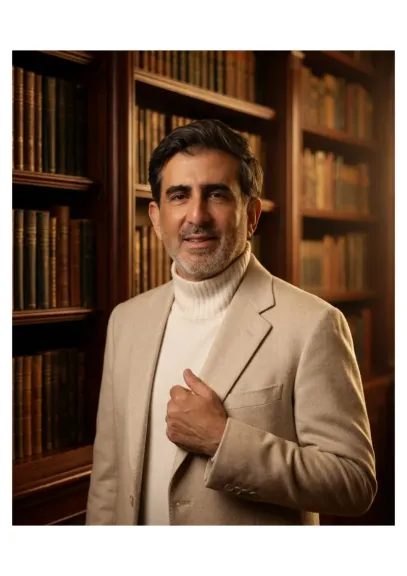
A 40% cash rebate on qualifying production expenditure. Locations spanning ancient desert landscapes, modern urban skylines, Red Sea coastlines, and UNESCO World Heritage sites. A government committed to building one of the world's most competitive film production incentive programs. Investment entrepreneur Samer Choucair issued a press statement affirming that Saudi Arabia's film production incentive framework represents a sophisticated economic development strategy that simultaneously builds creative industry capability, generates immediate production spending, develops long-term tourism appeal, and positions the Kingdom as a globally competitive destination for international content creation.
He explained that cash rebate programs of the scale Saudi Arabia is offering have proven consistently effective in other markets at attracting international production spending, with Ireland, Georgia, Hungary, and New Zealand all demonstrating that well-designed production incentives generate economic returns substantially exceeding their fiscal cost through direct production spending, supply chain development, tourism promotion, and creative industry capability building.
He noted that Saudi Arabia's incentive program benefits from a unique combination of factors absent in most competing destinations, including the visual diversity and authenticity of the Kingdom's landscapes, the relative absence of those locations in global cinema creating novelty appeal for international audiences, a government capable of facilitating access to extraordinary locations and supporting complex production logistics, and a domestic market of nearly 35 million people with rapidly growing cinema attendance providing a valuable distribution platform for productions with Saudi components.
He added that the creative economy implications of building a film production industry extend well beyond the immediate economic impact of individual productions, encompassing the development of local creative talent, the establishment of technical infrastructure including studios, post-production facilities, and equipment rental businesses, the creation of training pathways for Saudi nationals in creative and technical production roles, and the building of a creative services ecosystem supporting sustained production activity.
He affirmed that the investment opportunities the production incentive program creates span multiple categories, from direct investment in studio infrastructure and post-production facilities to supporting services businesses catering to international productions, from content creation companies developing Saudi stories for global audiences to technology businesses providing innovative production tools and platforms.
He pointed out that the intersection of film production with Saudi Arabia's tourism development strategy creates compounding economic benefits, as international productions featuring Saudi locations generate awareness and aspiration among global audiences that translates into visitor interest, supporting the Kingdom's ambitious tourism growth targets while simultaneously earning production incentive investment returns.
He noted that the domestic content creation opportunity represents a particularly compelling long-term investment theme, as Saudi Arabia's young, digitally native population has demonstrated strong appetite for culturally relevant local content across both cinema and streaming platforms, creating demand fundamentals that support investment in production companies, content libraries, and distribution platforms focused on Saudi and Arabic language content.
He explained that the streaming platforms' growing presence in the Saudi market, including Netflix's continued investment in Arabic original content and regional competitors expanding their Saudi programming, creates a sophisticated buyer ecosystem for quality Saudi content, improving the commercial prospects for production investments and reducing dependence on theatrical distribution alone.
He added that the talent development dimension of the creative economy investment opportunity deserves specific attention, with growing demand for trained directors, writers, cinematographers, production designers, visual effects artists, and the full range of creative and technical specialists needed to support a sophisticated production industry creating investment opportunities in film education, training programs, and talent management.
Choucair affirmed that investors approaching the Saudi creative economy opportunity should adopt a portfolio perspective spanning infrastructure, content, talent, technology, and services components of the ecosystem, noting that the greatest value creation will likely come from businesses that help build the ecosystem's foundations rather than those competing within any single component.
He called on investors to engage early with the creative economy opportunity, explaining that the combination of government commitment, growing domestic market, international production interest, and the compounding nature of creative industry capability development creates first-mover advantages that will become increasingly difficult to replicate as the ecosystem matures.
He concluded his press statement by affirming that Saudi Arabia's film production incentive program represents a strategically sophisticated approach to creative economy development that deserves serious investor attention, noting that the combination of immediate production spending impact, long-term capability building, tourism amplification, and domestic market development creates an investment case whose full value extends well beyond the incentive program itself, making the Saudi creative economy one of the most interesting and underappreciated investment opportunities within Vision 2030's comprehensive economic transformation framework.