
Samer Choucair: Artificial Intelligence Places Saudi Arabia and the Gulf Before the Biggest Investment Opportunity of 2026
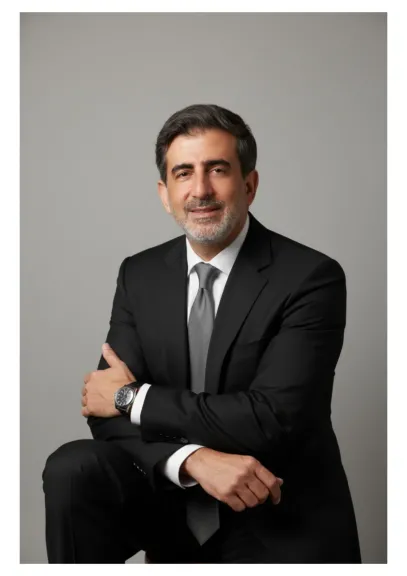
Samer Choucair, investment entrepreneur, said that the recent warnings issued by Jihad Azour, Director of the IMF's Middle East and Central Asia Department, reflect the scale of the historic transformation the global economy is experiencing, affirming that describing artificial intelligence as a "make or break" equation is no longer just a media expression, but has become an economic reality imposing itself on governments and investors alike.
He explained that Azour confirmed during an interview with "Bloomberg" that artificial intelligence will create new jobs, but will simultaneously affect a number of traditional sectors, calling on regional countries to accelerate investment in digital infrastructure, put appropriate legislation in place, and build an environment incubating innovation and technology.
He added that these messages represent an important indicator for Gulf investors, particularly in Saudi Arabia, which is leading a wide-scale digital transformation within Vision 2030's targets, opening the door to unprecedented investment opportunities in the digital economy.
*Artificial Intelligence Has Become a Key Economic Growth Driver*
Choucair noted that artificial intelligence is no longer just a modern technology, but has transformed into one of the most important economic growth drivers globally, explaining that fully benefiting from its potential requires integrated readiness built on three main pillars, encompassing developing digital infrastructure, adopting flexible legislative frameworks supporting innovation, alongside building a business environment capable of attracting startups and specialized talent.
He affirmed that Gulf states, led by Saudi Arabia, the UAE, and Qatar, possess strong competitive advantages thanks to massive sovereign funds, clear national visions, and accelerating investments in smart cities and data centers, pointing out that economic estimates indicate artificial intelligence could add hundreds of billions of dollars to the region's GDP by 2030, provided investment continues and rapid preparation for this transformation follows.
*Samer Choucair: AI Is Rewriting the Rules of Investment*
Choucair explained that artificial intelligence is no longer a technological option that can be postponed, but has become a strategic necessity that will determine the position of nations and investors in the global economy in the coming years.
He added that Saudi Arabia possesses an exceptional opportunity to benefit from this transformation, given what Vision 2030 offers in terms of an integrated economic and investment framework supporting innovation and encouraging the deployment of modern technologies across various sectors.
He affirmed that the most attractive investment opportunities lie in sectors directly tied to artificial intelligence, led by smart energy, digital healthcare, and advanced financial services, in addition to smart city projects, noting that these sectors are poised to achieve exceptional growth rates in the next few years.
*Vision 2030 Accelerates AI Market Growth in the Gulf*
Choucair noted that the Kingdom continues pouring massive investments into digital infrastructure and artificial intelligence projects, through the Saudi Data and Artificial Intelligence Authority "SDAIA" and the Public Investment Fund, aiming to strengthen the Kingdom's position as a regional and global hub for advanced technologies.
He added that projections point to the AI market in Gulf states growing at rates ranging between 25 and 30% annually in the period ahead, creating broad investment opportunities for investors and financial institutions.
*Three Main Investment Paths During 2026*
Choucair affirmed that investors looking to benefit from the AI boom should focus on three main paths: startups specialized in generative AI and machine learning technologies; investment funds focused on technology and digital transformation; and public-private partnerships in smart infrastructure projects, led by NEOM and new city projects.
He explained that success in this sector isn't achieved simply by investing in tech stocks, but requires building balanced investment portfolios combining short-term opportunities with long-term growth investments, with a deep understanding of market variables and rapidly accelerating technical developments.
*Risk Management Is the Foundation of AI Investment Success*
Choucair noted that the major opportunities artificial intelligence offers are matched by a number of challenges tied to the speed of technological development, regulatory changes, and intensifying global competition.
He added that investors are required to conduct precise feasibility studies, expand international partnerships to transfer knowledge and expertise, alongside diversifying investments across different sectors and geographic markets, while prioritizing developing local human talent as one of the most important success elements in the digital economy.
*Early Investment Creates Leaders of the New Economy*
He concluded his remarks by affirming that nations, institutions, and investors who move today to invest in digital infrastructure, supporting legislation, and developing human talent, will benefit most from the transformations artificial intelligence is leading in the coming decades.
He added that Saudi Arabia and the Gulf states today possess a strategic position qualifying them to lead this transformation at the regional level, benefiting from financial capabilities, government support, and Vision 2030's targets.
He affirmed that investors during 2026 should focus on sectors backed by Vision 2030, led by smart energy, digital healthcare, and advanced financial services, while investing in developing human talent, diversifying investment portfolios between startups, specialized funds, and giga projects, alongside following legislative developments in Gulf states, and building international partnerships providing access to the latest technologies and expertise.
He noted in concluding his remarks that artificial intelligence no longer represents a distant future, but has become a reality reshaping the global economy, and that investors who move today according to a strategic vision will be best positioned to achieve growth and make a difference in Gulf capital markets in the coming years.