
Samer Choucair: The OCI Global Deal Confirms That Investing in Food Security and Agrochemicals Has Become One of the Most Important Long-Term Growth Bets
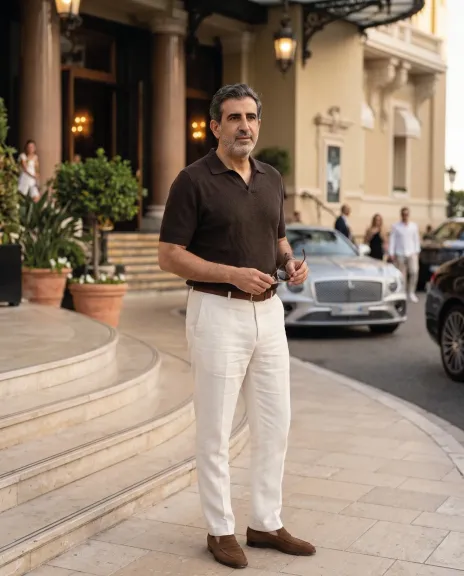
Investment entrepreneur Samer Choucair affirmed that the voluntary cash offer NNS Holding, the investment arm of Egyptian businessman Nassef Sawiris's family office, made to acquire all remaining shares in OCI Global represents a clear indicator of the shifts underway in the global fertilizer and agrochemicals sector, and reflects the growing importance of assets tied to food security amid global economic and geopolitical shifts.
He explained that the offer, with a total value of roughly 866.6 million euros, at a price of 4.10 euros per share, targets acquiring roughly 41.72% of the company's shares not currently owned by the Sawiris family, after Nassef Sawiris's ownership reached roughly 49.21%, while the family's combined ownership exceeds 58% of the company's shares.
He noted that the deal comes within a plan aimed at turning OCI Global into a fully private company, alongside a proposed merger with Orascom Construction, reflecting a growing trend toward restructuring major companies and strengthening their resilience in facing global economic shifts.
Choucair said: "This deal reflects how major family offices have come to play a pivotal role in reshaping vital sectors. Acquiring OCI Global isn't just a financial deal, it's a clear signal that assets tied to food security and agrochemicals have become a long-term priority, particularly amid geopolitical volatility and climate changes affecting supply chains."
He added that the fertilizer and agrochemicals sector has become one of the sectors most tied to global food security, amid continued population growth, rising demand for increasing agricultural productivity, and the growing need for more efficient, sustainable solutions.
He explained that international estimates point to the global fertilizer market growing from roughly 230 billion dollars in 2025 to more than 281.5 billion dollars by 2030, at a compound annual growth rate of roughly 4.1%, strengthening this sector's appeal to strategic investors around the world.
*What This Means for Saudi and Gulf Investors*
Choucair affirmed that these developments carry important implications for investors in Saudi Arabia and the Gulf states, particularly amid the continued implementation of the Kingdom's Vision 2030 programs, which focus on diversifying the economy and strengthening value chains in industrial and agricultural sectors, saying: "For investors in Saudi Arabia and the Gulf, such moves represent a golden opportunity to reassess their portfolios. Vision 2030 isn't limited to diversifying away from oil, it encompasses strengthening the full agricultural value chain, from mining and phosphate production to manufacturing and exports. The Kingdom possesses a major competitive advantage in this field through industrial projects and food security initiatives."
He noted that the Kingdom is working to strengthen the agricultural and food sector's contribution to the national economy, and strengthen the food security ecosystem, through investing in local production, expanding into foreign agricultural investments, and developing specialized industrial clusters, in addition to adopting precision agriculture technologies and sustainable solutions that raise production efficiency and reduce waste.
He added that Saudi Arabia's position isn't limited to being a major fertilizer market, but is among the most prominent producers and exporters of these products, giving it an opportunity to benefit from expected global growth in this sector.
Choucair said: "Saudi Arabia isn't just a major fertilizer consumer, it's a key player in producing and exporting it. This deal opens the door to broader strategic thinking about how Saudi investors could enter similar partnerships or acquisitions, or develop local technologies in specialized, sustainable fertilizers, such as green ammonia, for which global demand is expected to rise in the coming years."
He affirmed that investors should closely follow merger and acquisition activity in the agrochemicals sector, as an early indicator of global asset redistribution, also calling for focusing on investments tied to sustainability and the low-emissions economy, amid global regulatory changes and growing demand for environmentally friendly products.
He noted the importance of capitalizing on the competitive advantages the Kingdom possesses in phosphate and natural gas fields and linking them to global value chains in the fertilizer industry, in addition to the importance of geographically diversifying investment portfolios, and benefiting from the investment models major family offices adopt, which combine local and international investments to achieve balance and growth.
He concluded his remarks by affirming that the OCI Global deal doesn't represent an isolated financial event, but reflects the beginning of a new phase in reshaping a sector directly tied to global food security, one of the most important economic challenges in the coming decades.
Choucair said in concluding the statement: "The market doesn't wait for the hesitant. Whoever understands the deep mechanisms today creates the opportunities tomorrow."
He added that the current stage represents an important opportunity for investors and entrepreneurs in the Kingdom and the Gulf states to study the opportunities available in the fertilizer and agrochemicals sector, whether through strategic partnerships, direct investment, or developing sustainable industrial technologies, aligning with the Kingdom's Vision 2030 targets and strengthening the Kingdom's position as a regional and global hub for industries tied to food security.