
Samer Choucair: The Real Opportunities at the 2026 World Cup Lie in Building Sustainable Sports Ecosystems
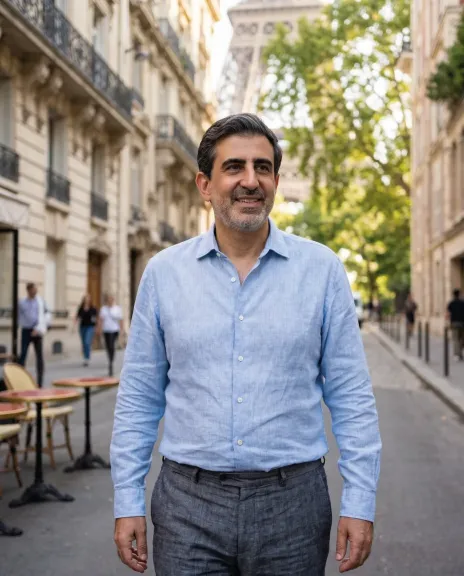
Investment entrepreneur Samer Choucair affirmed that the 2026 World Cup represents a global model of the transformation underway in the sports industry, after it became one of the most prominent economic sectors capable of stimulating growth, attracting investment, and creating jobs, noting that Saudi Arabia possesses strong fundamentals to benefit from this global momentum amid the Kingdom's Vision 2030 targets and its programs aimed at developing sports and entertainment sectors.
He explained that growing global interest in the 2026 World Cup, and the accompanying broad fan attendance and unprecedented media coverage, confirms that sports is no longer just a recreational activity, but has become an integrated economic industry affecting tourism, hospitality, media, technology, services, and capital markets sectors.
Choucair said: "Major sporting events like the 2026 World Cup don't have effects limited to host nations, they extend to create genuine investment opportunities in Gulf markets, particularly when aligned with ambitious national visions like Vision 2030. The real opportunities lie in building sustainable ecosystems, not in temporarily benefiting from the event."
He noted that the 2026 World Cup reflects the sports industry's growing economic scale, with estimates pointing to the event contributing roughly 40.9 billion dollars to global economic output, alongside providing hundreds of thousands of direct and indirect jobs, while broadcasting rights, commercial sponsorships, and marketing activities continue achieving record revenue levels, reflecting continued growth in the global sports economy.
He added that these indicators confirm that investing in sports has come to extend into an integrated economic ecosystem encompassing digital media, modern technologies, sports tourism, event management, and innovation, opening broad fields for investors in the Kingdom and the Gulf states.
*Vision 2030's Sports Strategy*
Choucair affirmed that the Kingdom's Vision 2030 placed sports among the strategic sectors contributing to diversifying the national economy, through developing sports infrastructure, attracting global events, strengthening private-sector participation, and raising the contribution of industries tied to sports and entertainment to GDP.
He explained that the investments the Public Investment Fund is leading in the sports sector, alongside giga projects like Qiddiya, and sports and entertainment development programs, have helped build an investment environment attractive to local and global companies, and opened the door to new partnerships in infrastructure, talent development, sports content production, and services tied to major events.
Choucair said: "In 2026 we're seeing a clear shift in investor preferences toward sectors tied to entertainment, sports, and digital experiences. Strategic diversification in these fields provides protection against traditional market volatility, and achieves long-term returns backed by growing global demand for high-quality content and experiences."
*Where the Opportunities Lie*
He added that investors looking to benefit from this shift should focus on investments building sustainable economic value, not just short-term opportunities tied to sporting events, saying: "Investors should focus on investments that build genuine added value, such as sports technology, luxury sports tourism, and content production partnerships. These fields align with Vision 2030's goals of creating a knowledge-based, innovative economy, and allow benefiting from the growing commercial impact global sports is creating."
He noted that the current stage opens the door to multiple investment opportunities, led by sports tourism and hospitality, through developing facilities and services targeting visitors and major sporting events, in addition to investing in producing and distributing sports content, and entering partnerships with regional and global streaming platforms to benefit from growing demand for digital sports content.
He affirmed that the sponsorship and sports marketing sector represents one of the promising fields, whether through building partnerships with global brands or supporting local clubs and talent, helping strengthen the Saudi sports sector's international presence, alongside growing opportunities in sports technology, augmented reality, artificial intelligence, performance analytics, and developing digital applications that strengthen the fan experience and raise the sports ecosystem's efficiency.
He explained that these sectors don't just offer local growth opportunities, but also possess major export potential, amid the global expansion in the sports industry and growing demand for technical solutions and related services.
He concluded his remarks by affirming that sports has become one of the most important drivers of the global economy, and that Saudi Arabia possesses a clear vision for turning this sector into a sustainable economic tributary supporting economic diversification and strengthening the national economy's competitiveness.
He affirmed that investors who adopt a long-term strategic vision, and focus on sectors tied to sports, entertainment, and innovation, will be better positioned to benefit from the opportunities the Kingdom's Vision 2030 offers, and turn the global momentum major sporting tournaments generate into sustainable economic and investment value in the coming years.