
Samer Choucair: The 2026 World Cup, a Strategic Economic Platform Confirming That Investing in Sports and Entertainment Drives Growth
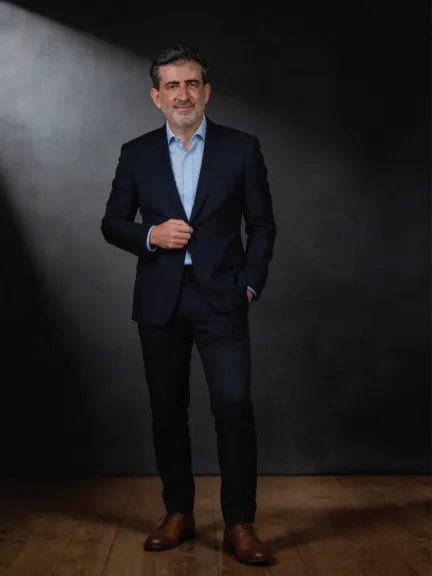
Investment entrepreneur Samer Choucair affirmed that the 2026 World Cup represents a global model for how major sporting events transform into economic and investment drivers with long-term impact, noting that the current experience offers important indicators for Saudi Arabia amid its preparations to host the 2034 World Cup and the continued implementation of the Kingdom's Vision 2030 targets.
Choucair said that the unprecedented global interest in the 2026 World Cup isn't limited to sporting competition, but reflects the major economic impact international tournaments have come to generate, explaining that record attendance and the tourism and investment flows accompanying the tournament confirm that sports has become an integrated economic industry supporting growth and creating broad investment opportunities.
He added that the stands bringing together fans from various countries around the world reflect the tournament's cultural and economic dimension, as such events help energize tourism, hospitality, transport, and entertainment sectors, alongside strengthening trade and investment relations between nations.
He noted that the 2026 World Cup, held with 48 national teams and 104 matches, recorded unprecedented attendance levels, with attendance so far exceeding 3.6 million spectators, surpassing previous records, while estimates point to the tournament contributing roughly 41 billion dollars to global economic output, providing more than 824,000 direct and indirect jobs.
He explained that host cities are seeing major economic spending in hospitality, transport, services, and entertainment sectors, reflecting the growing economic value of major sporting events, and confirming that investing in this sector has become one of the most important economic development drivers in many countries around the world.
Choucair said: "The 2026 World Cup isn't a passing sporting event, it's a strategic economic platform proving that investing in sports and tourism infrastructure delivers returns far exceeding expectations. The current experience clearly shows how international crowds can be turned into a genuine growth engine. Investors in Saudi Arabia and the Gulf should move now to benefit from this momentum before the Kingdom hosts the 2034 World Cup."
*Saudi Arabia's Position to Benefit*
Choucair affirmed that Saudi Arabia today possesses strong fundamentals to benefit from this global experience, amid the giga projects it's implementing under Vision 2030, which include developing tourist, entertainment, and sports destinations, strengthening infrastructure, raising quality of life, and diversifying national income sources.
He explained that giga projects, such as Qiddiya, NEOM, and Red Sea projects, represent integrated investment models targeting attracting millions of visitors from around the world, and strengthening the Kingdom's position as a global destination for tourism, entertainment, and sports.
He added: "Vision 2030 provides the ideal framework for attracting foreign direct investment in entertainment, hospitality, and sports sectors. Saudi companies listed on the capital market, particularly those operating in construction, logistics services, and tourism sectors, can directly benefit from this transformation if opportunities are invested in a considered, strategic manner."
He noted that the period ahead requires strengthening the private sector's role in financing and developing major sports and tourism projects, and capitalizing on partnerships with local and international investment institutions, helping accelerate project implementation and raise the non-oil economy's contribution.
Choucair said: "The private sector should increase its participation in financing and developing major sports projects, benefiting from Public Investment Fund support and international partnerships. This approach will create new jobs and strengthen foreign investors' confidence in Saudi capital markets."
*Where the Opportunities Lie*
He affirmed that investment analysis points to a number of promising sectors that will benefit from this transformation, led by sports tourism and entertainment, with continued development of giga projects and attracting visitors from various global markets, in addition to the hospitality and infrastructure sector, which encompasses hotels, sports facilities, transport networks, and supporting services.
He explained that the Saudi capital market is poised to benefit from this momentum through companies operating in construction, services, hospitality, and entertainment sectors, alongside growing opportunities in sports technology and digital innovation, including technical solutions for fan experience, event management, and sports data analytics.
He noted that the Kingdom hosting the 2034 World Cup represents a strategic opportunity to accelerate the pace of economic growth, and strengthen the Kingdom's position as a global hub for major sporting events, opening the door for investors to benefit from projects tied to these preparations over the coming years.
He concluded his remarks by saying: "Whoever invests in sports and entertainment today is investing in the prosperity of future generations and in achieving Vision 2030's goals."
He added that the Kingdom possesses all the fundamentals qualifying it to benefit from the global shift in the sports economy, thanks to its ambitious vision, giga projects, and advanced investment environment, affirming that strategic investment at this stage represents an opportunity to build sustainable economic value and strengthen the Saudi economy's competitiveness over the coming decades.